

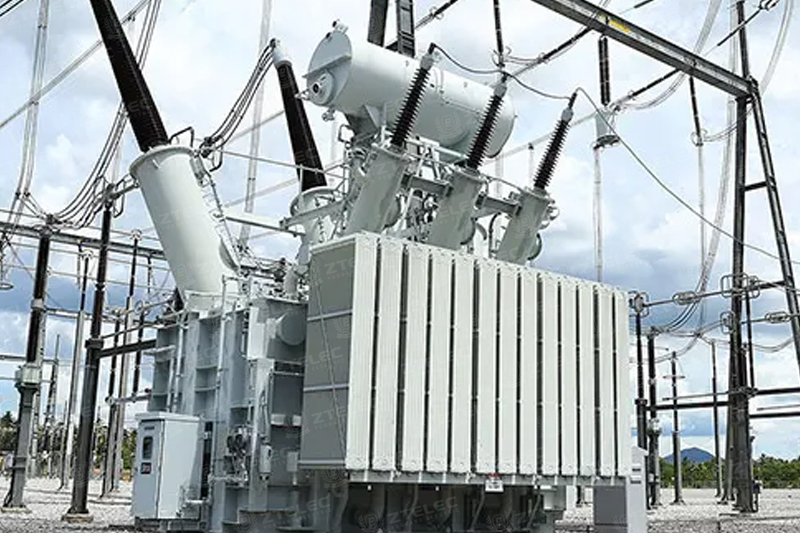
Integrated solutions for the power industry featuring high-performance transformers for substations and power plants. Improve efficiency, reduce transmission losses, and ensure reliable energy distribution.
Project Name:PowerGrid Transformer Hub、Substation Transformer Solutions 、PlantVolt Integrated Transformers、EcoPower Transformer Platform
Application:Transformer Deployment in Substations、Power Plant Transformer Solutions 、Integrated Grid Connection
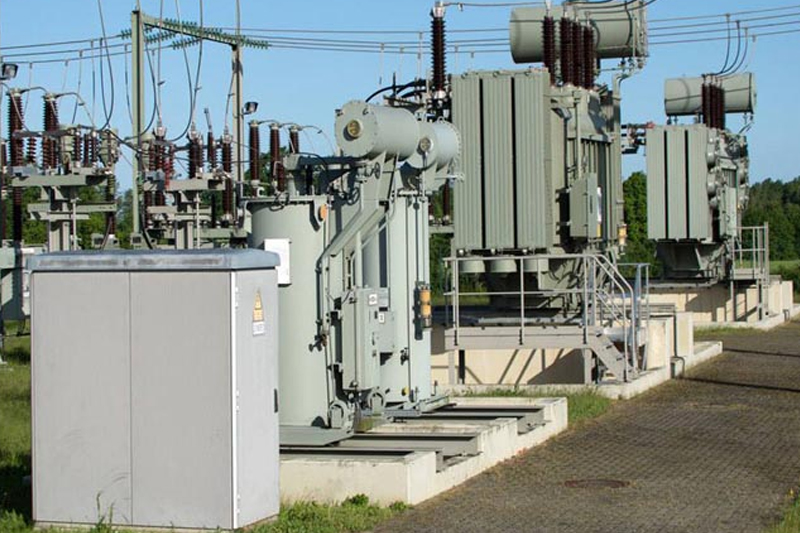
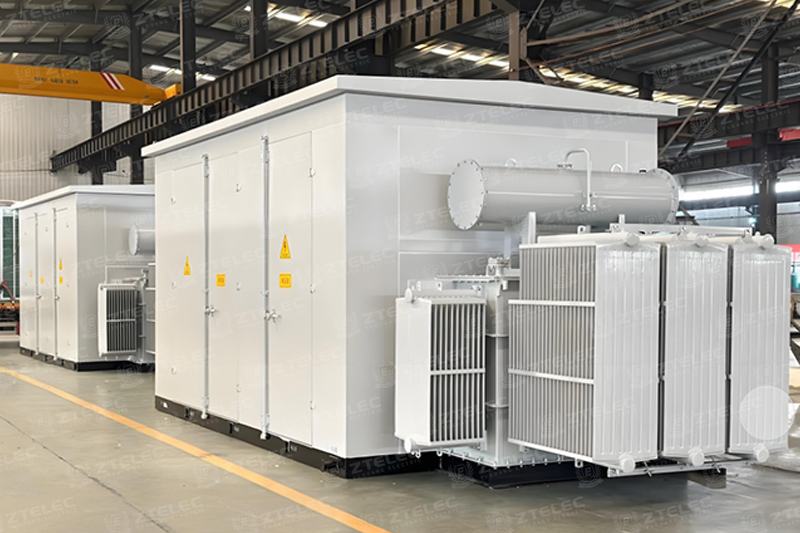
Transformers are the core equipment in substations and play a fundamental role in modern power systems. Their primary function is to achieve voltage level transformation within the electrical grid, ensuring that power can be efficiently transmitted from generation sources to end users. Based on the principle of electromagnetic induction, transformers enable both voltage step-up and step-down processes, making them indispensable in energy infrastructure.
In power transmission, electrical energy generated at power plants must travel long distances before reaching consumption areas. During this process, voltage and power losses are unavoidable. However, by increasing transmission voltage through step-up transformers, current is reduced, which significantly lowers line losses. This improves overall transmission efficiency and reduces energy waste.
When electricity reaches distribution networks and end users, step-down transformers reduce the voltage to safe and usable levels for industrial, commercial, and residential applications. This dual function highlights the critical importance of transformers in maintaining grid stability and meeting diverse electricity demands.
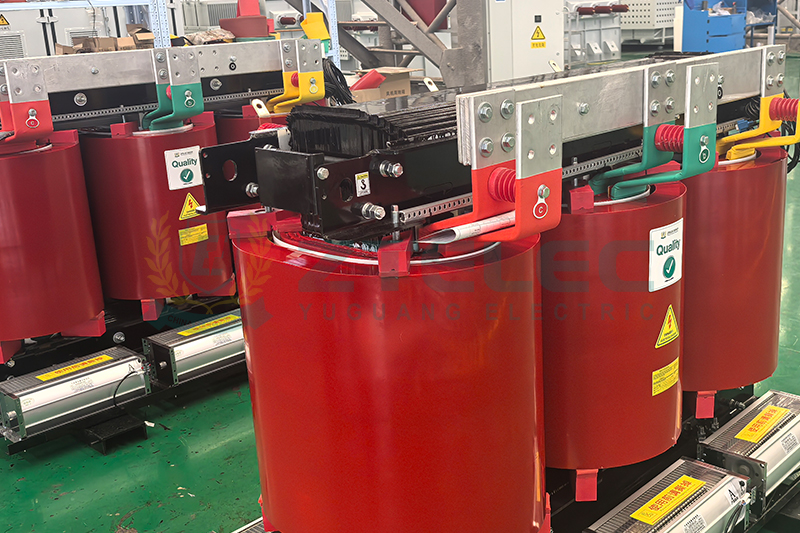
Transformers are essential for ensuring the safe and stable operation of power systems. Their performance directly impacts the reliability of electrical equipment and the continuity of power supply. Different power grids and applications require transformers with specific designs, capacities, and technical characteristics.
In addition to voltage transformation, modern transformers contribute to system protection, load balancing, and energy optimization. Their reliability is especially critical in large-scale infrastructure projects, where uninterrupted power supply is a key requirement.
The relationship between voltage, current, and transmission losses is a key consideration in power engineering. For a given power level, increasing voltage reduces current, which in turn decreases resistive losses in transmission lines. Power loss is proportional to the square of the current, meaning that even small reductions in current can lead to significant efficiency gains.
By utilizing high-quality transformers to step up voltage for transmission and step it down for distribution, power systems can achieve optimal efficiency while maintaining safe operating conditions.
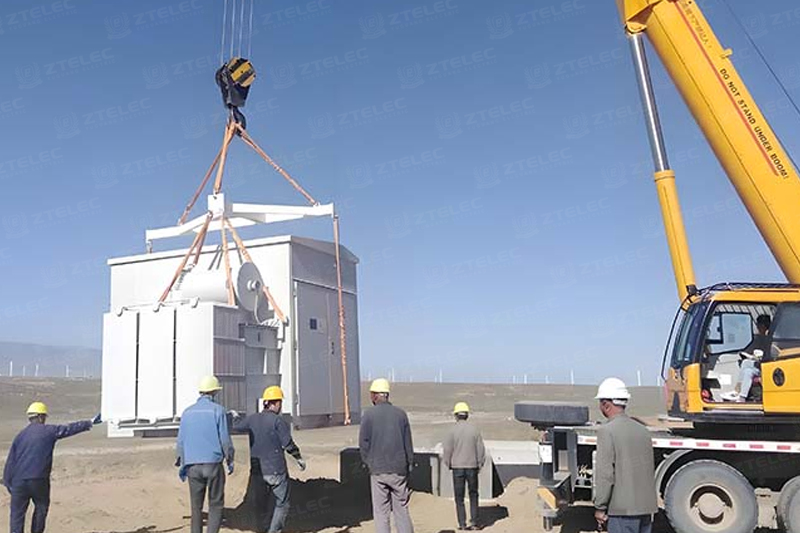
An example of integrated power solutions can be seen in the Xinjiang Tianfu Hesheng cogeneration power station project. This large-scale project is located in the Hesheng Silicon Industrial Park, within the Shihezi Development Zone. Positioned approximately 16 kilometers from the city center, the project supports regional industrial development and energy supply.
The project features a construction scale of 2×330MW generating units, utilizing direct air cooling turbine technology. It incorporates subcritical, primary reheat, natural circulation pulverized coal boilers with long operational cycles, ensuring efficient and stable power generation.
The production process relies on coal and water as primary inputs, generating both thermal energy and electrical power. This cogeneration approach improves overall energy utilization by supplying heat and electricity simultaneously, enhancing system efficiency and reducing resource consumption.
With a total investment of over RMB 256 million, the project demonstrates the importance of advanced electrical equipment, including transformers, in supporting large-scale industrial and energy infrastructure. Reliable transformer performance ensures stable voltage regulation, efficient power transmission, and safe integration with the grid.
Integrated solutions for the power industry require not only high-quality transformers but also coordinated system design, advanced manufacturing, and strict quality control. From power generation to transmission and distribution, each stage depends on reliable electrical equipment to maintain efficiency and safety.
As energy demand continues to grow and power systems become more complex, the role of transformers will remain central to achieving efficient, stable, and sustainable energy delivery. By adopting advanced technologies and optimized designs, modern power solutions can meet the evolving needs of industries and communities worldwide.

ZTELEC Yuguang Electric Technology, founded in 2014, builds on state-owned industrial expertise to deliver reliable power solutions worldwide.
Copyright © 2026.ztygelectric All rights reserved.