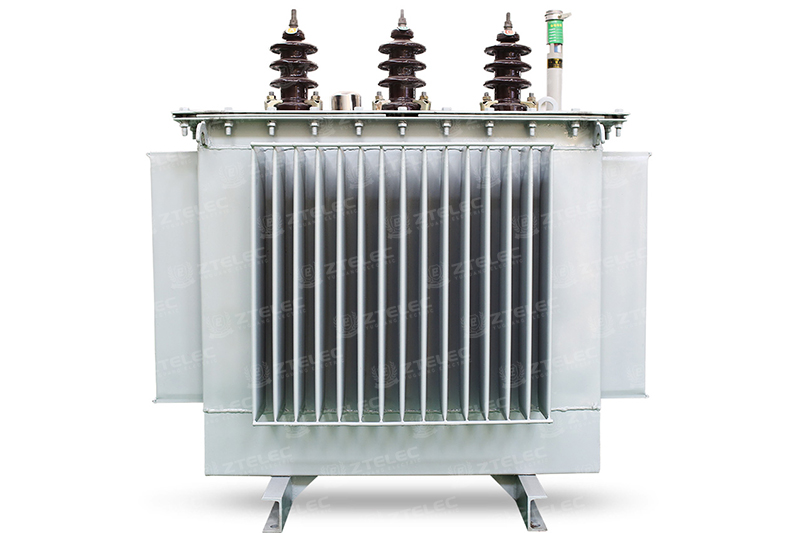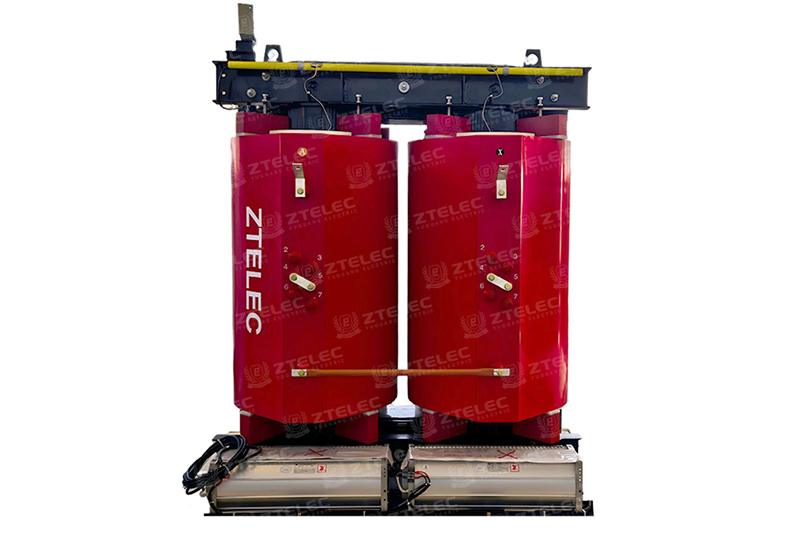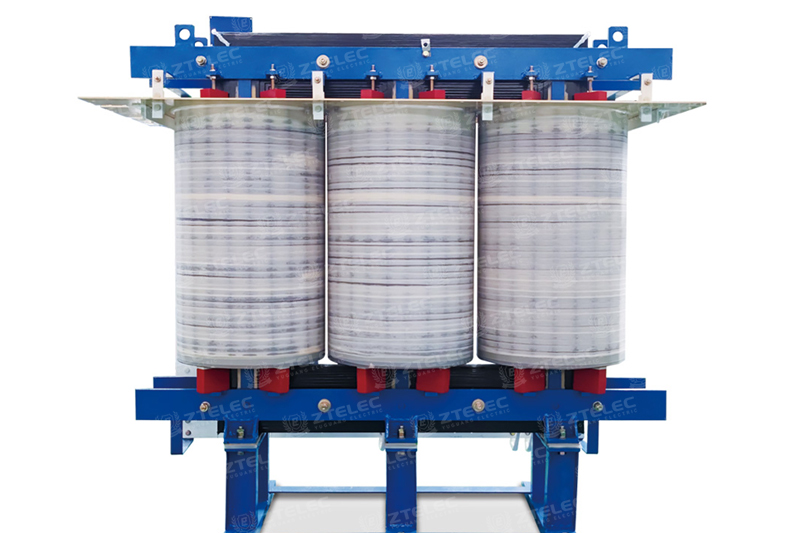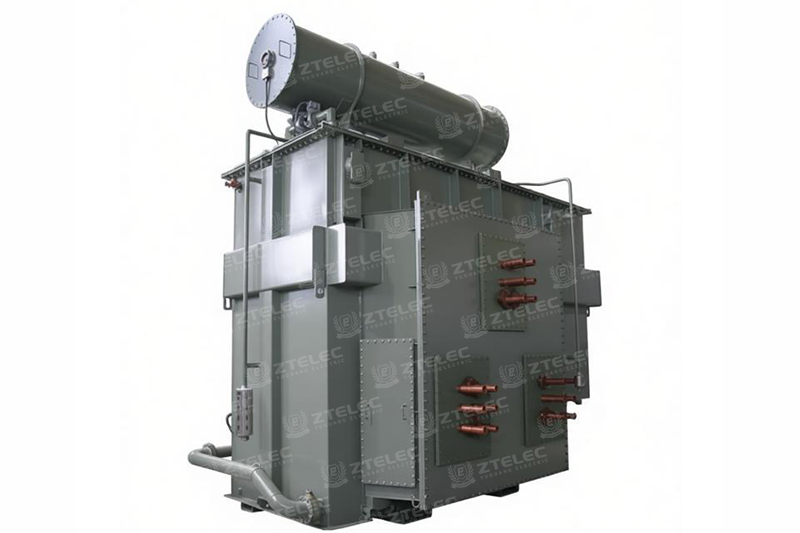

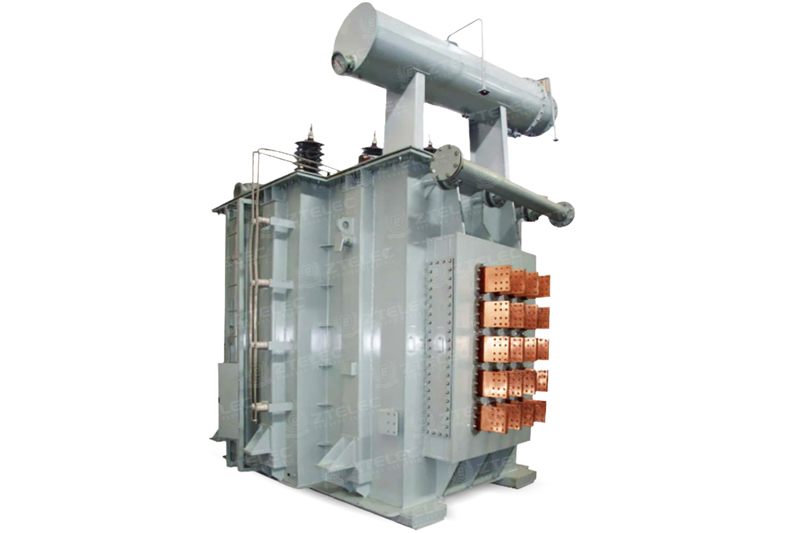
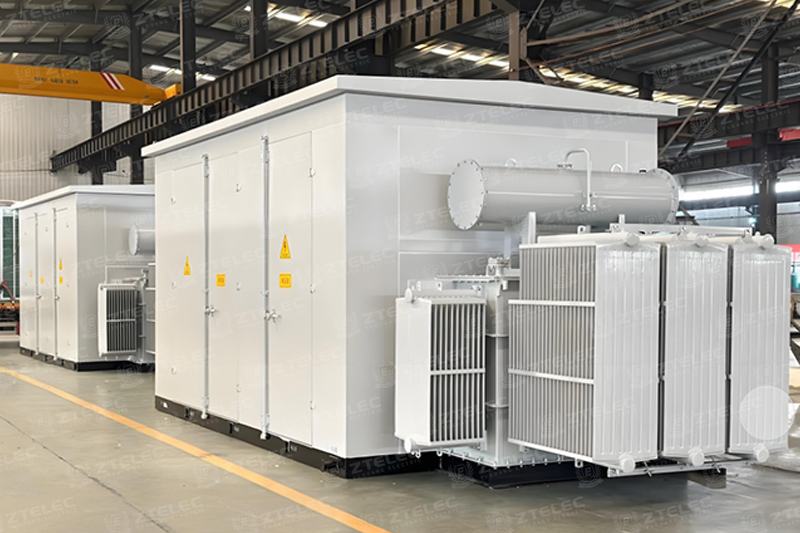
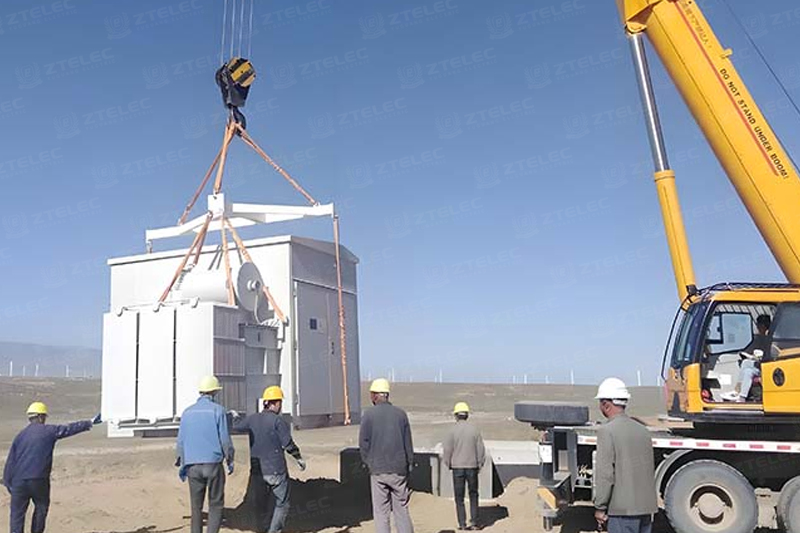
High-performance electric furnace transformers for arc furnaces, resistance furnaces, and induction furnaces. Designed for smelting, heat treatment, and metallurgy with precise voltage regulation and high reliability.
| Rated voltage | 10-35kv |
|---|---|
| Rated capacity | 4000-16000kva |
| Application scenarios | It is mainly used in the smelting of corundum, silica sand, calcium carbide, sulfur, graphitization, welding flux, cast steel, ceramsite sand, perlite, metallurgical auxiliary materials, carbon ferromanganese, aluminum ferromanganese, ferrovanadium, vanad |
| Certifications & Standards | TÜV -issued CE • CB IEC EN ISO 9001• 14001• 45001 |
Electric furnace transformers are specialized power transformers designed to meet the demanding operational requirements of industrial heating and metallurgical processes. They are widely used in resistance furnaces, salt bath furnaces, and various smelting systems for applications such as heat treatment of mechanical components, powder metallurgy sintering, and non-ferrous metal processing.
In addition to thermal processing applications, electric furnace transformers are also essential in steelmaking operations, where they serve as power supply units for electric arc furnaces. Their capacity is carefully configured based on furnace size and specific smelting processes, ensuring optimal performance and energy efficiency.
To meet the dynamic requirements of furnace operations, electric furnace transformers are equipped with advanced voltage regulation systems. Two primary regulation methods are used: on-load voltage regulation and off-circuit (non-excitation) voltage regulation.
Large-capacity electric furnace transformers typically utilize on-load tap changers, allowing voltage adjustment during operation without interrupting the power supply. This ensures continuous process control and improved productivity in large-scale smelting environments.
Small and medium-sized transformers generally adopt non-excitation voltage regulation. These designs may include configurations with or without series reactors. Transformers equipped with series reactors adjust impedance through reactor switching, while those without reactors modify impedance by altering the high-voltage winding connections.
Electric furnace transformers are engineered based on the working principles, load characteristics, and operational conditions of different furnace types. They are suitable for a wide range of AC electric furnaces, including electric arc furnaces, ladle refining furnaces, electroslag furnaces, submerged arc furnaces, and power-frequency furnaces.
They are also used in DC and special-purpose furnaces such as medium-frequency induction furnaces, silicon carbide furnaces, and graphitization furnaces. This versatility makes them a critical component in modern metallurgical and materials processing industries.
Industrial electric furnace transformers are generally classified into three main categories based on their application. Resistance furnace transformers are used for heat treatment and controlled heating processes. Electric arc furnace transformers are designed for high-current steelmaking and metal smelting operations. Induction furnace transformers are applied in induction heating and melting systems requiring precise temperature control and efficiency.
These transformers are built to withstand extreme operating conditions, including high current loads, frequent voltage fluctuations, and elevated temperatures. Their robust design ensures long service life, stable operation, and reduced maintenance requirements.
With optimized electrical performance and flexible configuration options, electric furnace transformers provide a dependable and efficient power solution for industrial heating, smelting, and advanced material processing applications.
Prev:Return to List

ZTELEC Yuguang Electric Technology, founded in 2014, builds on state-owned industrial expertise to deliver reliable power solutions worldwide.
Copyright © 2026.ztygelectric All rights reserved.