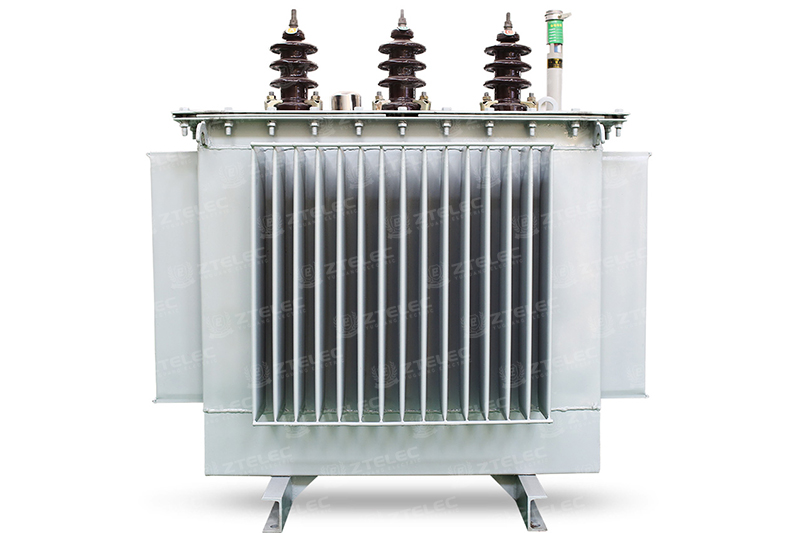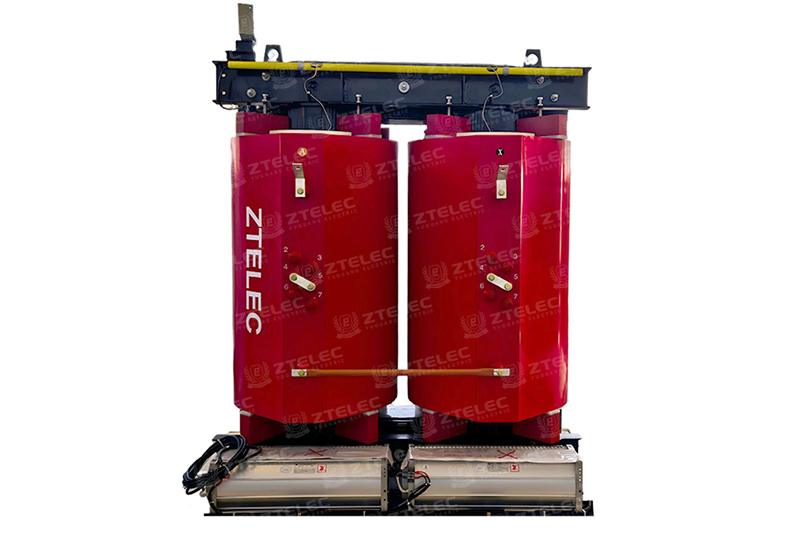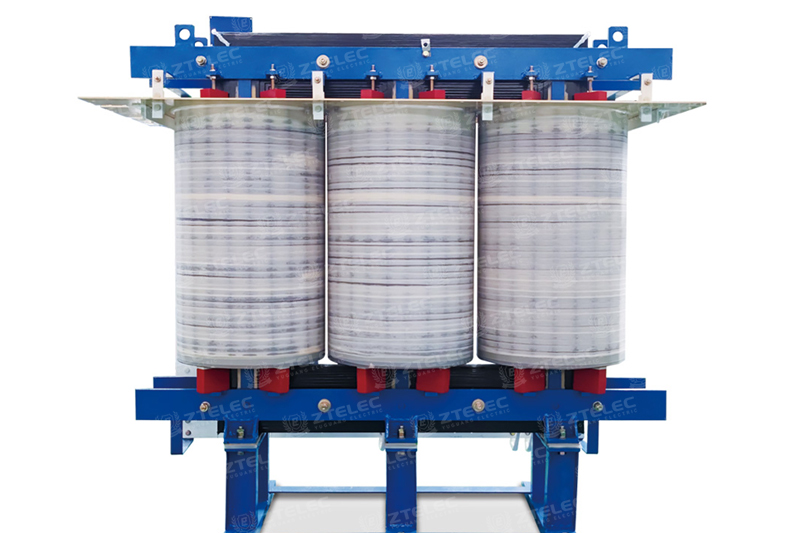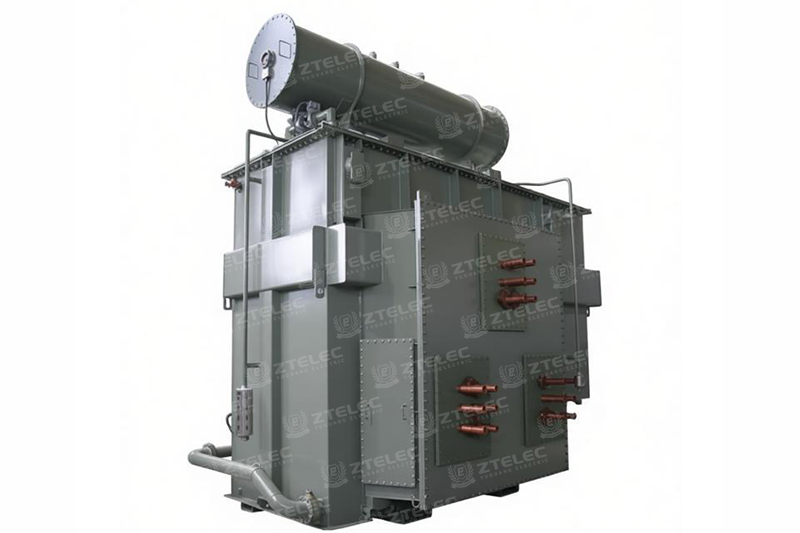

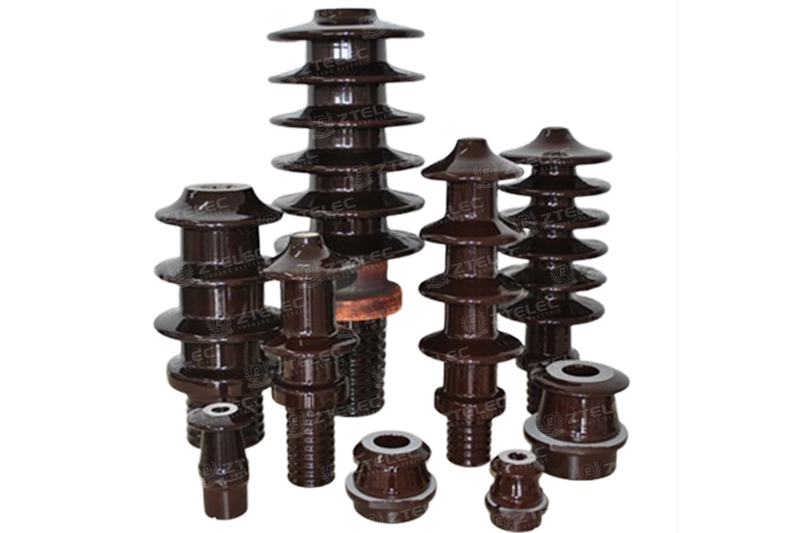
High-quality transformer bushing insulators for HV and EHV power systems. Porcelain and composite bushings for 10kV–765kV transformers with IEC compliant design, high insulation strength, and reliable outdoor performance.
| Rated voltage | Up to 1,200 kV |
|---|---|
| Application scenarios | Power transformers (110–800 kV and even higher) Distribution transformers and medium-voltage systems Switchgear and circuit breaker interfaces Generators, high-current output equipment Renewable energy substation systems (wind/solar) |
A transformer bushing insulator is a critical high-voltage insulation component that allows an energized conductor to safely pass through a grounded transformer tank or enclosure. It provides electrical insulation, mechanical support, and environmental sealing between internal windings and external power systems.
Our transformer bushing insulators are designed for high voltage (HV), extra high voltage (EHV), and ultra high voltage (UHV) applications ranging from distribution transformers to transmission systems up to 765kV. They are widely used in power grids, substations, generation plants, renewable energy projects, and industrial power systems.
Available in porcelain bushings and composite silicone rubber bushings, our products meet IEC and IEEE standards, ensuring long-term reliability in harsh outdoor environments including pollution, humidity, salt fog, and extreme temperature conditions.
A transformer bushing provides a controlled insulation path for high-voltage conductors passing through grounded barriers. The internal conductor is surrounded by insulation layers designed to manage electric field distribution and prevent partial discharge.
Capacitance-graded structures are used in high-voltage and extra-high-voltage bushings to ensure uniform voltage distribution along the insulation body. This reduces electrical stress concentration and improves long-term dielectric performance.
The external part of the bushing interfaces with overhead lines, busbars, or cable connections, while the internal end connects to transformer windings immersed in oil or dry insulation systems.
Porcelain bushings are traditional high-strength insulators made from high-quality electrical porcelain and filled with oil or resin insulation systems. They provide excellent mechanical strength and long service life for outdoor substations and transmission networks.
These bushings are suitable for high pollution areas and high mechanical stress applications such as overhead line connections and large power transformers.
Voltage range: 10kV – 765kV
Applications: HV substations, EHV transformers, transmission systems
Composite bushings use silicone rubber housings over fiberglass-reinforced epoxy cores. They provide excellent hydrophobic performance, lightweight structure, and strong resistance to contamination and aging.
Compared to porcelain bushings, composite bushings offer better anti-pollution performance, lower weight, and improved seismic resistance, making them ideal for modern smart grid systems.
Voltage range: 10kV – 550kV
Applications: renewable energy, urban substations, compact transformers
Oil-impregnated paper bushings use cellulose paper insulation impregnated with transformer oil. This design is widely used in high voltage and extra high voltage transformer applications due to its mature technology and excellent dielectric performance.
OIP bushings feature capacitance grading layers to ensure uniform electric field distribution and long-term insulation stability.
Voltage range: 35kV – 765kV
Each bushing is designed with optimized electric field distribution to minimize partial discharge and corona effects. Capacitance-graded insulation ensures stable operation under long-term high voltage stress.
Porcelain and composite housings are engineered to withstand UV radiation, pollution, salt fog, humidity, and extreme temperature variations. Composite bushings provide superior hydrophobic performance in heavily polluted environments.
Bushings are designed to withstand high mechanical loads from conductor tension, short-circuit forces, and seismic activity. Composite bushings offer enhanced flexibility and shock resistance compared to traditional porcelain designs.
All HV and EHV bushings are tested for partial discharge performance to ensure low PD levels and long-term insulation reliability, meeting IEC 60137 and IEEE standards.
Transformer bushings are equipped with reliable sealing systems to prevent oil leakage and moisture ingress, ensuring stable insulation performance throughout the service life.
Designed for more than 30 years of operational life under normal working conditions, reducing maintenance cost and improving transformer reliability.
| Parameter | Specification |
|---|---|
| Voltage Range | 10kV – 765kV |
| Insulation Types | Porcelain / Composite / OIP |
| Conductor Material | Copper / Aluminum |
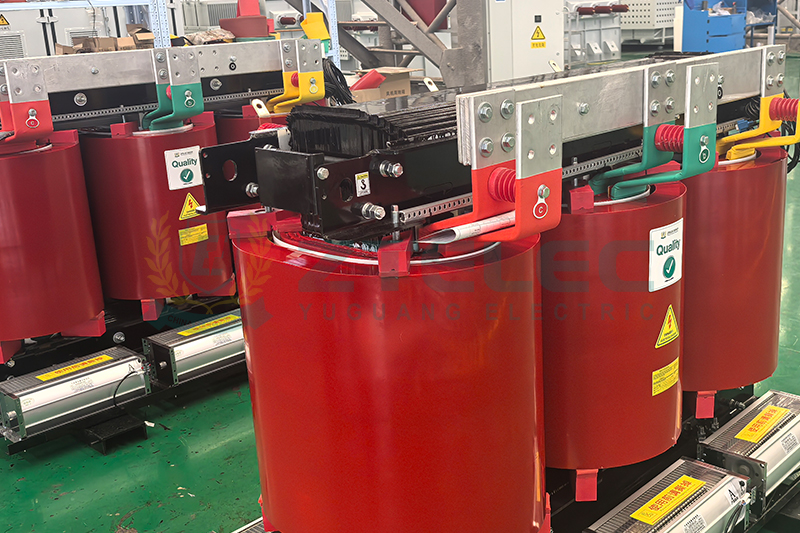
| Installation | Oil-immersed / Dry-type transformers |
| Frequency | 50Hz / 60Hz |
| Insulation Medium | Oil / Air / Resin |
| Partial Discharge | ≤ 10 pC (HV/EHV designs) |
| Standard | IEC 60137 / IEEE C57.19.01 |
| Operating Environment | -50°C to +45°C |
| Pollution Class | Light / Medium / Heavy / Very Heavy |
| Standard | Scope |
|---|---|
| IEC 60137 | Insulated bushings for AC voltages above 1000V |
| IEEE C57.19.01 | Power transformer bushings standards |
| IEC 60076 | Power transformer general requirements |
| IEC 60815 | Selection and dimensioning of high-voltage insulators |
| GB/T 4109 | Chinese national standard for transformer bushings |
All transformer bushings undergo routine factory testing including power frequency withstand voltage test, partial discharge measurement, tan delta (loss factor) test, and mechanical load verification before shipment.
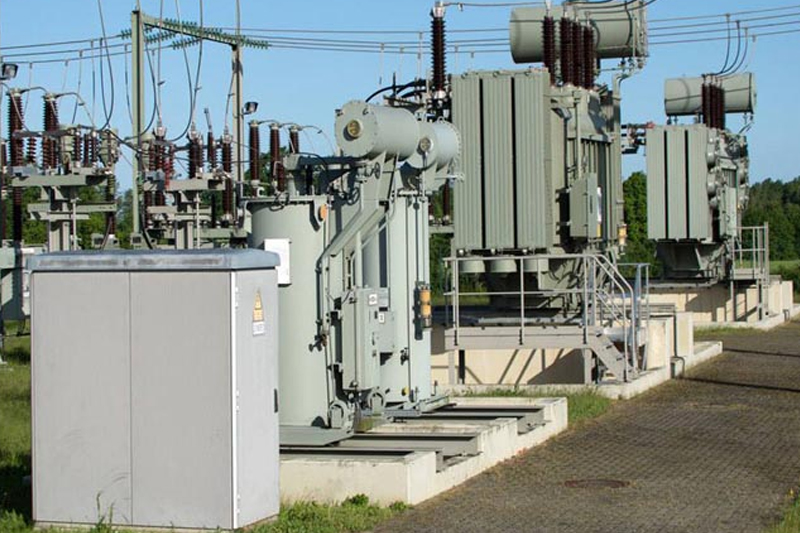
High voltage substations use transformer bushings for reliable connection between power transformers and overhead transmission lines.
Power generation plants including thermal, hydro, wind, and solar stations use HV and EHV bushings for transformer output terminals.
Industrial plants and heavy industries rely on bushings for safe connection of high-capacity transformers in steel, mining, and petrochemical systems.
Urban distribution networks use composite bushings for compact substations with high pollution resistance and reduced maintenance requirements.
Renewable energy systems use lightweight composite bushings for wind farms and photovoltaic substations with harsh environmental exposure.
| Feature | Porcelain Bushing | Composite Bushing |
|---|---|---|
| Mechanical Strength | High | Medium–High |
| Pollution Resistance | Medium | High |
| Weight | Heavy | Lightweight |
| Seismic Performance | Medium | High |
| Maintenance | Periodic Cleaning | Low Maintenance |
| Best Application | Traditional HV/EHV substations | Modern smart grid & renewables |
To provide accurate quotation, please supply rated voltage, transformer type (oil-immersed or dry-type), current rating, insulation type, pollution level, installation position, and mechanical load requirements.
For replacement projects, existing bushing nameplate data or drawings are sufficient for compatibility confirmation.
Send your technical specification or transformer nameplate data to our engineering team. We will confirm the correct bushing model and provide a detailed quotation within 2 business days.

ZTELEC Yuguang Electric Technology, founded in 2014, builds on state-owned industrial expertise to deliver reliable power solutions worldwide.
Copyright © 2026.ztygelectric All rights reserved.