

Medium voltage substations in the 11kV, 33kV, and 35kV range are a critical part of modern power distribution networks. Whether supporting industrial plants, renewable energy systems, or urban infrastructure, these substations serve as the bridge between high-voltage transmission and low-voltage end users. In recent years, compact and prefabricated substation solutions have become increasingly popular due to their faster deployment, reduced footprint, and consistent factory-built quality.
This article provides a practical overview of medium voltage substations, focusing on IEC-compliant compact and prefabricated designs, their key components, real-world applications, and how to select the right configuration for your project.
A medium voltage substation is an electrical installation designed to transform, distribute, and control electrical energy within voltage levels typically ranging from 1kV to 36kV. Among these, 11kV, 33kV, and 35kV are widely used standards in utility grids, industrial distribution, and renewable energy integration.
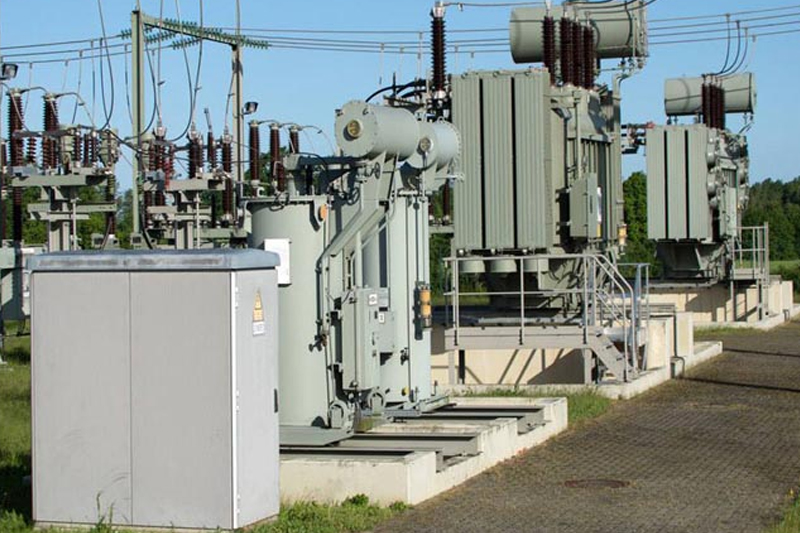
These substations receive power from high-voltage transmission systems and step it down to usable levels for factories, commercial facilities, or local distribution networks. In addition to voltage transformation, they also provide switching, protection, metering, and monitoring functions.
The selection of voltage level depends on the scale and type of the project. 11kV substations are commonly used in urban distribution networks, commercial complexes, and smaller industrial facilities. They offer a balance between safety, efficiency, and equipment cost.
33kV substations are widely adopted in larger industrial zones, mining operations, and renewable energy plants such as wind and solar farms. This voltage level allows efficient transmission over moderate distances with reduced losses.
35kV systems are often used in regions where this standard is part of the national grid structure. They are suitable for heavy industrial loads, large infrastructure projects, and regional distribution networks.
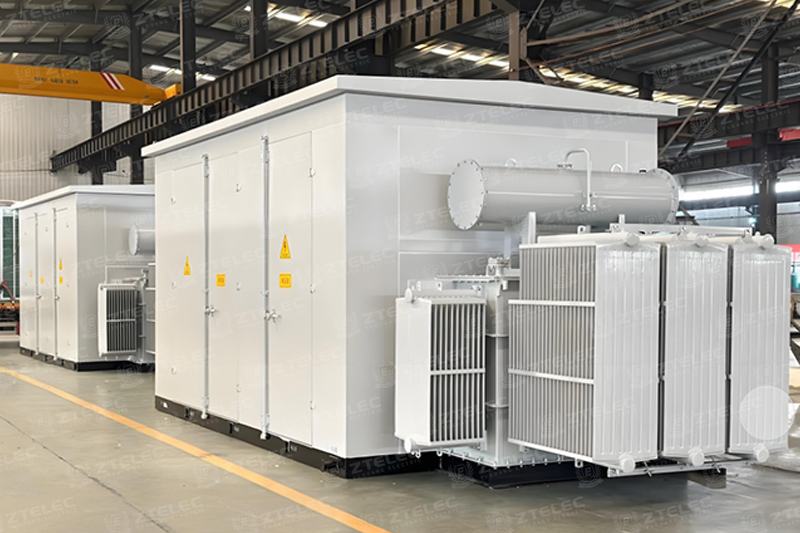
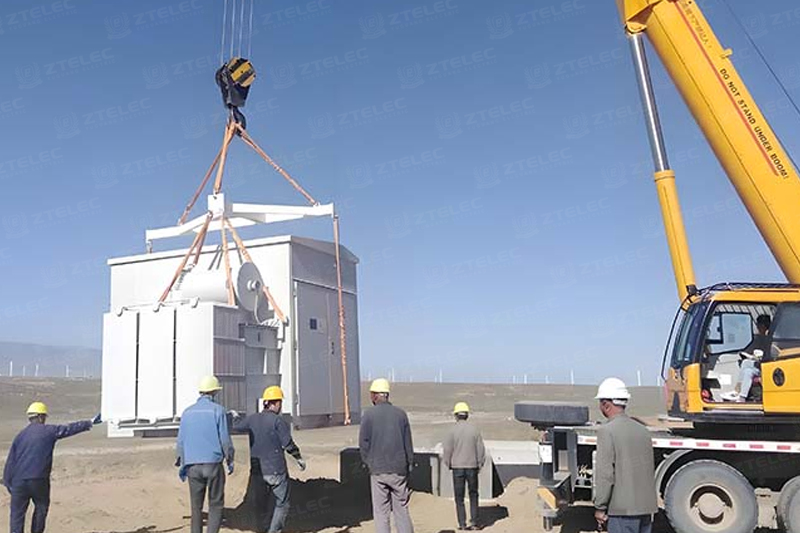
Traditional substations are built on-site with separate equipment installations, requiring significant civil work and longer construction timelines. In contrast, compact and prefabricated substations are factory-assembled units that integrate transformers, switchgear, protection systems, and auxiliary equipment into a single enclosure.
These substations are delivered ready for installation, significantly reducing on-site work and ensuring consistent manufacturing quality. The enclosure can be made of steel, stainless steel, or concrete, depending on environmental conditions and project requirements.
Prefabricated substations are especially useful in projects with tight schedules, limited space, or remote locations where construction resources are limited.
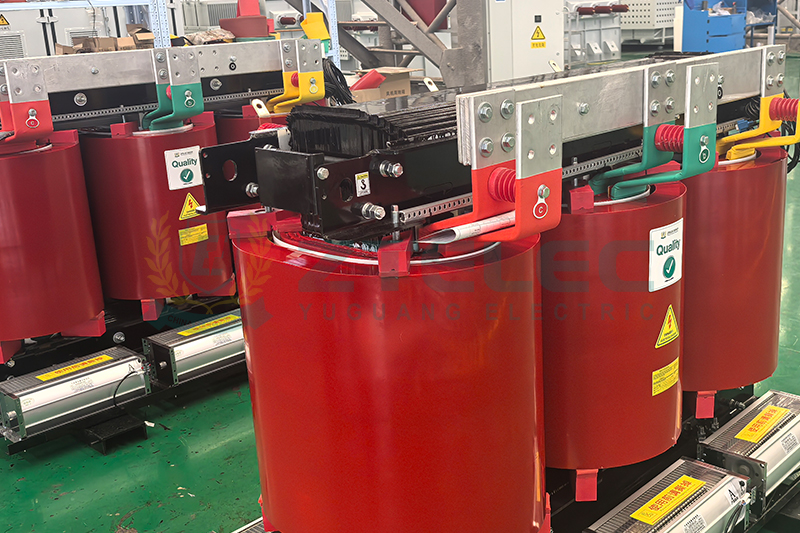
A typical 11kV, 33kV, or 35kV substation includes several key components working together as a complete system. The power transformer is responsible for voltage conversion, while medium voltage switchgear manages circuit control and protection.
Low-voltage distribution panels handle power delivery to end loads, and protection relays ensure safe operation by detecting faults such as overloads or short circuits. Additional components may include metering systems, capacitor banks for power factor correction, and monitoring systems for real-time performance tracking.
In prefabricated designs, all these components are integrated and pre-tested, which minimizes commissioning time and reduces the risk of installation errors.
IEC-compliant compact substations are designed according to international standards, ensuring compatibility, safety, and performance. One of the main advantages is their compact footprint, which makes them ideal for urban areas, industrial plants, and renewable energy sites where space is limited.
Another key benefit is faster installation. Since the system is pre-assembled and tested in the factory, on-site work is limited to positioning, cable connections, and commissioning. This can reduce project timelines by several weeks or even months.
Safety is also improved due to fully enclosed designs, internal arc protection, and interlocking mechanisms that prevent incorrect operation. Maintenance requirements are lower compared to traditional substations, thanks to standardized layouts and high-quality components.
Medium voltage substations are widely used across multiple industries. In renewable energy projects, such as solar and wind farms, they connect power generation systems to the grid and ensure stable energy export.
In industrial environments, they provide reliable power for manufacturing processes, heavy machinery, and automation systems. Mining operations rely on 33kV and 35kV substations for high-load equipment and remote site electrification.
Urban infrastructure projects, including commercial buildings, hospitals, and transportation systems, depend on compact substations for safe and efficient power distribution within limited spaces.
Choosing the right medium voltage substation involves several technical and practical considerations. Load capacity is one of the primary factors, as the transformer rating must match current and future demand.
Environmental conditions also play an important role. For outdoor installations, the enclosure must provide protection against dust, moisture, corrosion, and temperature variations. In coastal or industrial areas, higher corrosion resistance may be required.
Grid compatibility is another critical aspect. The substation must meet local standards and frequency requirements, typically 50Hz or 60Hz depending on the region. Protection schemes and communication interfaces should also align with existing grid systems.
Finally, consider scalability and maintenance. Modular designs allow future expansion, while easy access to components simplifies inspection and servicing.
As power systems evolve, medium voltage substations are becoming smarter and more integrated. Digital monitoring, remote control, and automation are increasingly standard features, enabling operators to manage performance and detect issues in real time.
There is also a growing focus on energy efficiency and environmental sustainability. Low-loss transformers, eco-friendly insulating materials, and compact designs contribute to reduced energy consumption and lower carbon footprints.
Prefabricated substations will continue to play a key role in future infrastructure projects due to their flexibility, speed of deployment, and adaptability to various applications.
11kV, 33kV, and 35kV medium voltage substations are essential for modern power distribution, supporting everything from industrial production to renewable energy integration. IEC compact and prefabricated solutions offer a practical, efficient, and reliable alternative to traditional substation construction.
With advantages such as reduced installation time, enhanced safety, and flexible design, these substations are well-suited to meet the demands of today’s rapidly evolving energy landscape. Selecting the right configuration based on project requirements ensures long-term performance and dependable power supply.

ZTELEC Yuguang Electric Technology, founded in 2014, builds on state-owned industrial expertise to deliver reliable power solutions worldwide.
Copyright © 2026.ztygelectric All rights reserved.