

Medium voltage substations play a crucial role in modern power distribution systems, acting as the link between high-voltage transmission networks and low-voltage end-user applications. With the increasing demand for reliable, safe, and space-saving electrical infrastructure, 11kV, 33kV, and 35kV medium voltage substations have become widely used across industrial facilities, commercial buildings, renewable energy plants, and urban infrastructure projects. Compact and prefabricated substation solutions designed according to IEC standards offer significant advantages in installation efficiency, operational reliability, and lifecycle cost optimization.
Compared with traditional on-site constructed substations, prefabricated medium voltage substations integrate transformers, switchgear, protection systems, and auxiliary equipment into a single modular unit. This integrated design reduces engineering complexity, shortens construction time, and improves overall project efficiency. Whether used for grid expansion, renewable energy integration, or industrial power supply, IEC-compliant compact substations provide flexible and scalable solutions for various voltage levels including 11kV, 33kV, and 35kV.
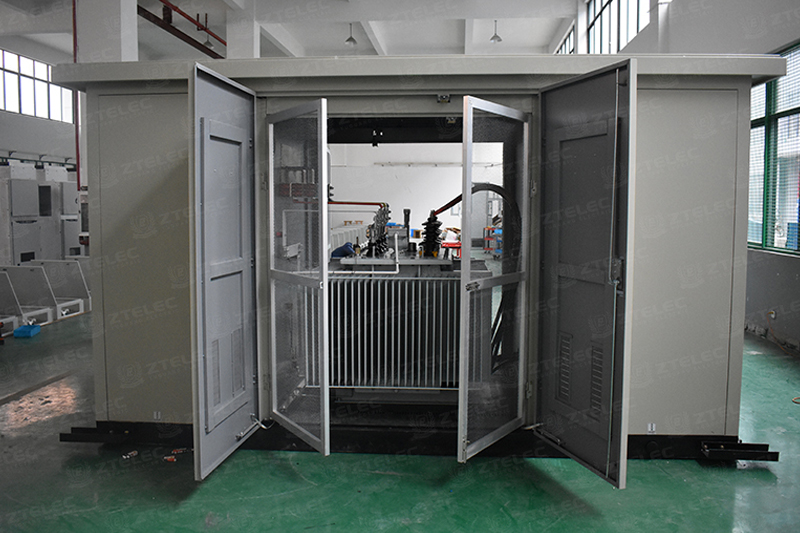
11kV substations are commonly deployed in urban distribution networks, commercial complexes, hospitals, airports, and residential developments. These substations provide stable medium voltage supply for step-down transformers and ensure efficient power delivery to end users. Their compact structure makes them ideal for indoor installation or space-limited environments.
33kV substations are widely used in large industrial plants, mining operations, manufacturing facilities, and infrastructure projects. This voltage level supports higher power capacity and longer distribution distances. Prefabricated 33kV substations are particularly suitable for heavy industries that require robust and reliable power systems.
35kV substations are often applied in renewable energy projects such as solar farms, wind power stations, and utility grid interconnection systems. They also serve as regional distribution nodes for rural electrification and industrial zones. The higher voltage capability allows efficient transmission with reduced power losses, improving overall system performance.
Medium voltage substations designed according to IEC standards ensure safety, performance, and international compatibility. Compliance with IEC 62271 for switchgear, IEC 60076 for transformers, and IEC 61439 for low-voltage assemblies guarantees reliable operation under diverse environmental conditions. These standards also define insulation levels, temperature rise limits, short-circuit withstand capability, and protection requirements.
IEC-compliant substations are engineered to meet strict dielectric strength and mechanical endurance requirements. This ensures long-term stability even under frequent switching operations, load fluctuations, and harsh environmental exposure. For global projects, IEC design simplifies approval processes and ensures compatibility with international utility requirements.
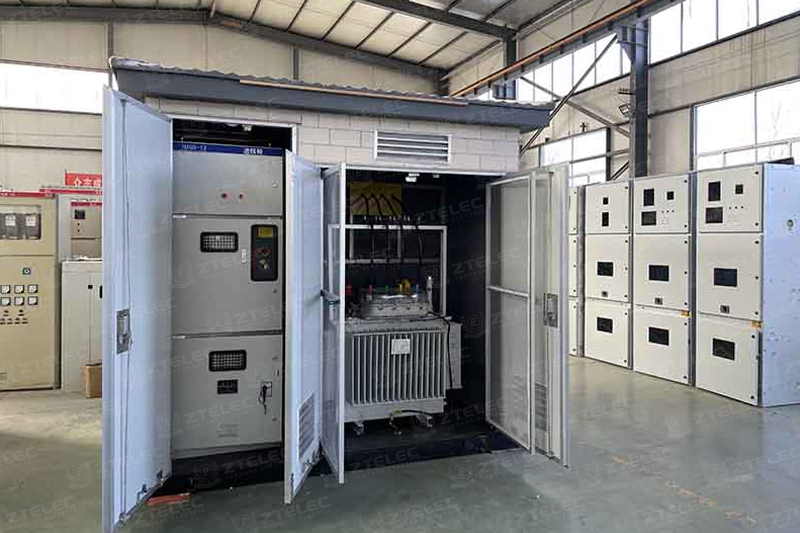
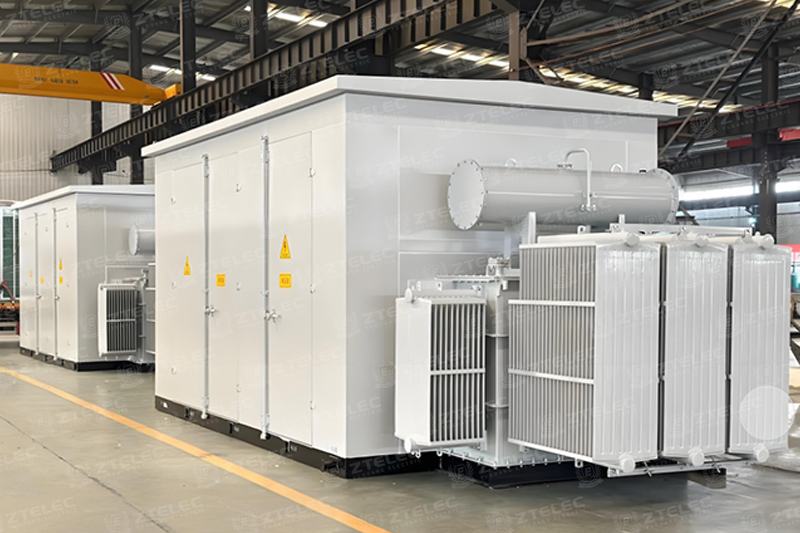
Compact substations integrate medium voltage switchgear, distribution transformers, and low-voltage panels into a single enclosure. This design reduces footprint while maintaining accessibility for maintenance and operation. Prefabricated units are factory assembled and tested, ensuring consistent quality and reducing on-site installation risks.
The enclosure is typically fabricated using galvanized steel, stainless steel, or aluminum alloy materials. Advanced anti-corrosion coatings provide long service life even in coastal, desert, or industrial environments. Ventilation systems, temperature monitoring, and insulation design ensure stable thermal performance during continuous operation.
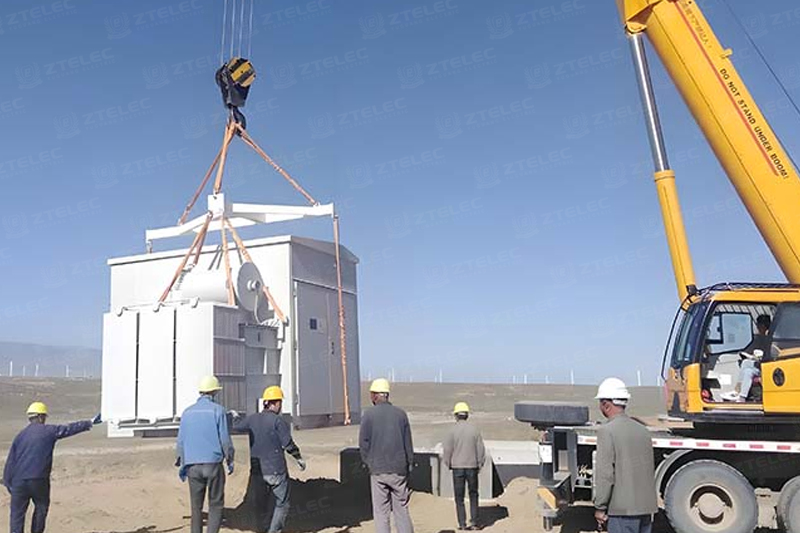
One of the primary benefits of prefabricated substations is reduced installation time. Since major components are pre-assembled in the factory, on-site work is limited to foundation preparation and cable connections. This significantly shortens project schedules and minimizes labor costs.
Another advantage is improved safety. Factory testing ensures proper insulation coordination, wiring accuracy, and functional verification before delivery. This reduces commissioning risks and ensures reliable operation from the first energization.
Compact substations also provide flexibility. Modular configurations allow customization based on voltage level, transformer capacity, protection schemes, and environmental requirements. Units can be designed for indoor or outdoor installation, with optional IP-rated enclosures and climate control systems.
A typical 11kV, 33kV, or 35kV prefabricated substation includes medium voltage switchgear, power transformer, low voltage distribution panel, protection relays, and auxiliary systems. Medium voltage switchgear may include vacuum circuit breakers, load break switches, or SF6 insulated units depending on project requirements.
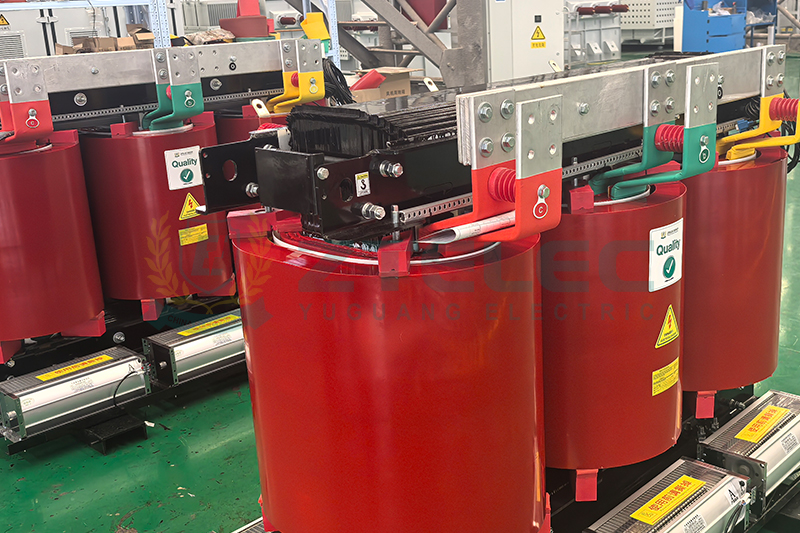
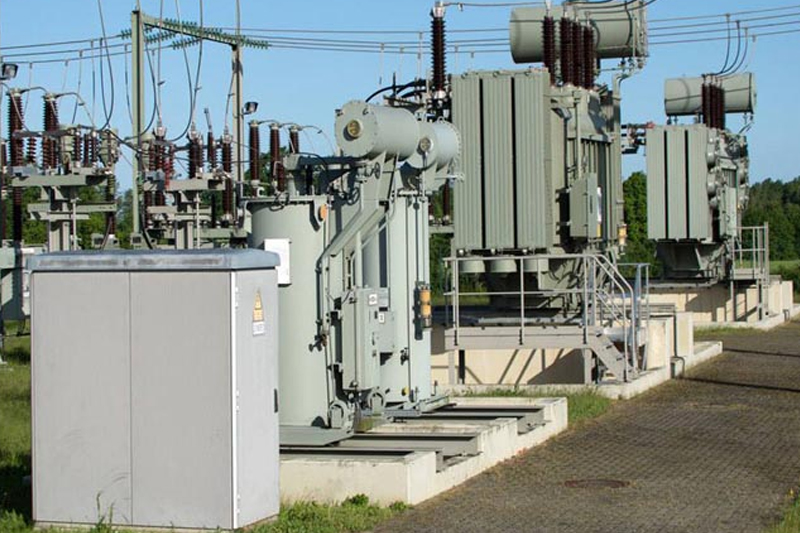
The transformer is the core component responsible for voltage conversion. Dry-type transformers are commonly used in indoor or environmentally sensitive areas, while oil-immersed transformers are suitable for outdoor installations requiring higher capacity and enhanced cooling performance.
Protection systems include overcurrent protection, earth fault protection, differential protection, and monitoring devices. These systems ensure safe operation and prevent equipment damage in abnormal conditions. Modern substations may also integrate remote monitoring and SCADA communication for intelligent power management.
Compact substations are designed to operate in diverse environmental conditions including high humidity, high temperature, dust, salt spray, and seismic regions. Optional features such as IP54 or IP65 protection, anti-condensation heaters, and forced ventilation systems enhance operational reliability.
For renewable energy applications, substations may include special insulation and cooling designs to accommodate fluctuating loads. For desert or coastal environments, anti-corrosion coatings and sealed enclosures provide additional protection against harsh conditions.
With the rapid development of solar and wind energy, medium voltage substations play a vital role in grid interconnection. 33kV and 35kV prefabricated substations are commonly used to collect power from multiple inverters or wind turbines and step up voltage for transmission to the utility grid.
These substations can be equipped with reactive power compensation, harmonic filtering, and intelligent monitoring systems. This ensures grid compliance and improves power quality. Modular design allows easy expansion as renewable energy capacity increases.
Industrial facilities require stable and continuous power supply. Medium voltage substations provide reliable distribution for manufacturing plants, petrochemical facilities, data centers, and mining operations. Their compact design allows installation near load centers, reducing cable losses and improving efficiency.
Infrastructure projects such as railways, airports, and urban transit systems also rely on prefabricated substations. These applications require high reliability and minimal maintenance. Factory-tested substations meet these requirements while simplifying project deployment.
Manufacturers offer flexible customization based on project needs. Options include transformer capacity selection, switchgear configuration, protection scheme design, and enclosure material selection. Additional features such as remote monitoring, energy metering, and automation systems can be integrated.
Substations can also be designed with multiple compartments for safe segregation of medium voltage, transformer, and low voltage sections. This enhances operational safety and simplifies maintenance procedures.
Prefabricated substations require minimal on-site assembly. Once delivered, the unit can be positioned on a prepared foundation and connected to incoming and outgoing cables. This reduces construction complexity and improves project efficiency.
Maintenance requirements are also reduced due to high-quality factory assembly. Components are easily accessible through separate compartments. Monitoring systems allow predictive maintenance, reducing downtime and operational costs.
11kV, 33kV, and 35kV medium voltage substations designed to IEC standards provide efficient, reliable, and compact power distribution solutions. Prefabricated modular design reduces installation time, improves safety, and enhances operational performance. These substations are ideal for industrial plants, renewable energy projects, commercial developments, and infrastructure applications.
With customizable configurations, robust enclosure design, and advanced protection systems, IEC compact substations meet the evolving demands of modern power networks. Whether used for grid expansion or new project deployment, prefabricated medium voltage substations offer a cost-effective and future-ready solution for reliable electrical distribution.

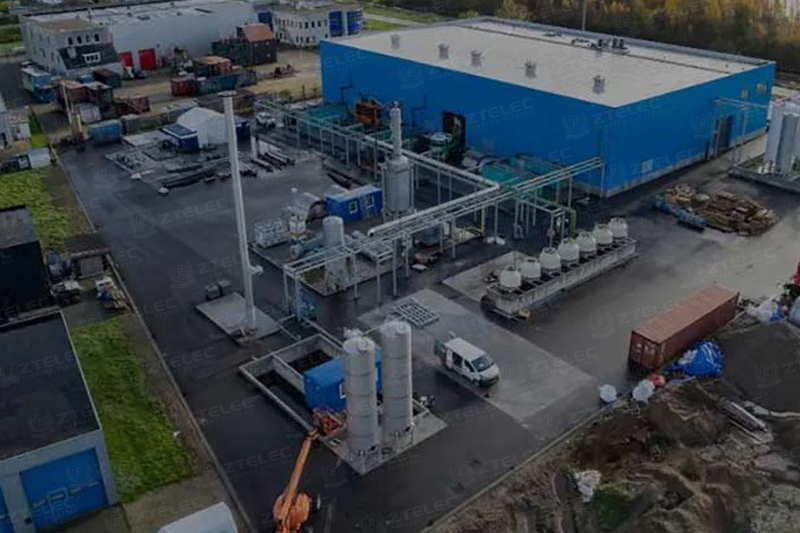
ZTELEC Yuguang Electric Technology, founded in 2014, builds on state-owned industrial expertise to deliver reliable power solutions worldwide.
Copyright © 2026.ztygelectric All rights reserved.