

In modern power systems, the demand for flexible, efficient, and reliable electrical distribution is greater than ever. E-HOUSE prefabricated substations provide a modular and fully integrated solution that meets the needs of industrial, commercial, and renewable energy projects. By combining advanced electrical components with a compact, pre-engineered enclosure, E-HOUSE substations simplify installation, reduce on-site construction time, and enhance overall system reliability.
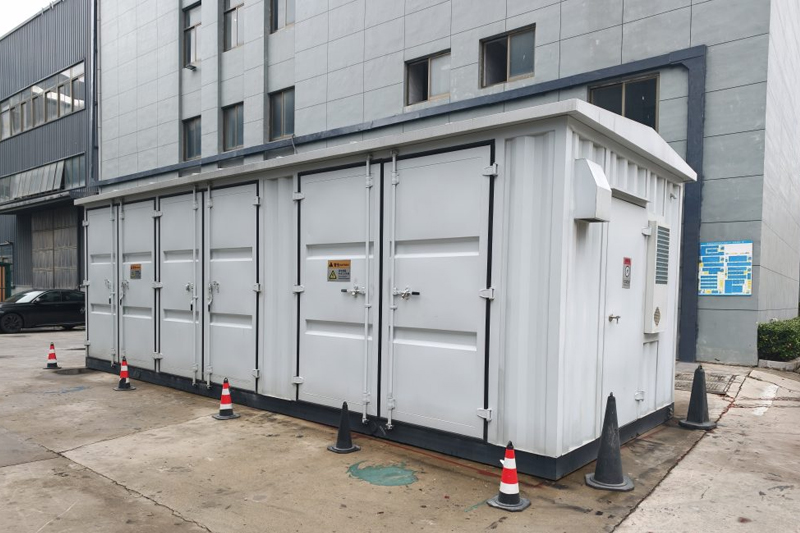
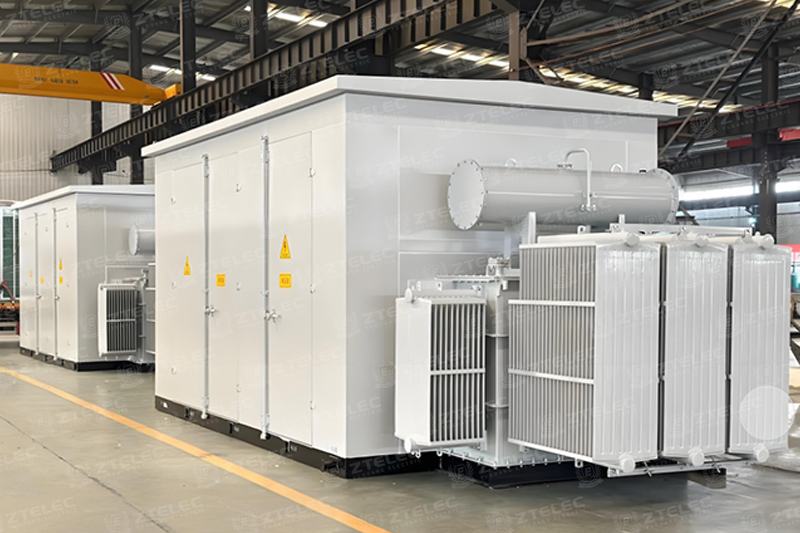
An E-HOUSE substation is a factory-built, containerized power distribution unit that houses high-voltage and low-voltage switchgear, transformers, protection and control equipment, and auxiliary systems in a single prefabricated structure. These substations can be customized according to project requirements and are designed to operate efficiently under harsh environmental conditions.
The modular design of E-HOUSE substations allows them to be rapidly deployed on-site with minimal civil construction. Each module is engineered for optimal space utilization, thermal management, and accessibility for operation and maintenance. Typical applications include industrial plants, offshore platforms, wind farms, solar power plants, mining operations, and urban power distribution.
E-HOUSE prefabricated substations offer numerous advantages over traditional outdoor or brick-and-mortar substations. Their main features include compact design, high reliability, rapid installation, and modular expandability. The integrated enclosure protects sensitive electrical equipment from dust, moisture, and extreme temperatures, extending service life and reducing maintenance costs.
The prefabricated approach enables strict quality control at the factory, ensuring standardized assembly, wiring, and testing procedures. This reduces the risk of installation errors and guarantees consistent performance. In addition, E-HOUSE substations can be fully equipped with automation, SCADA interfaces, and smart monitoring systems to support modern grid requirements.
Designing an E-HOUSE substation requires careful planning of electrical layouts, thermal management, structural integrity, and safety compliance. The selection of transformers, switchgear, protection relays, and auxiliary systems must align with the project’s voltage levels, load capacity, and operational environment. Typically, E-HOUSE units are built to IEC, ANSI, or local standards, depending on the client’s requirements.
Thermal management is critical to ensure equipment operates within specified temperature limits. Integrated ventilation, air conditioning, and heat dissipation systems are incorporated to maintain optimal conditions. The internal layout is carefully arranged to allow easy access for inspection, maintenance, and future upgrades, which enhances operational efficiency and reduces downtime.
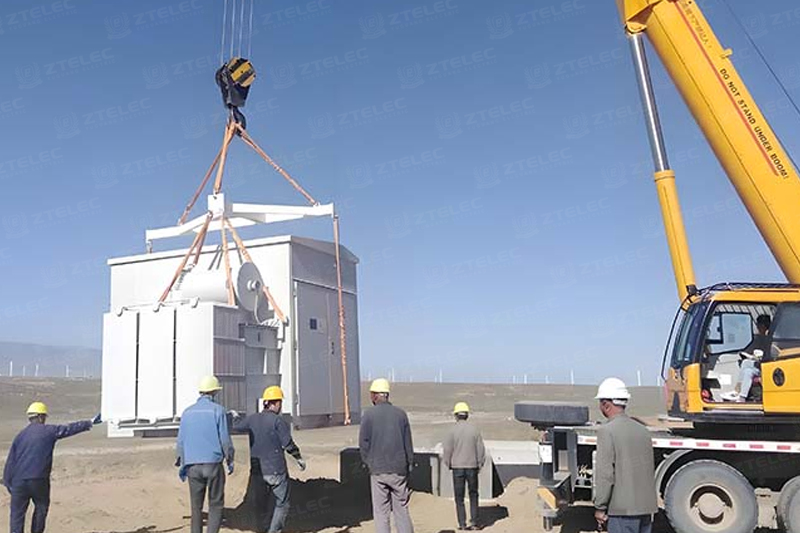
One of the greatest advantages of E-HOUSE substations is the speed of installation. Prefabricated in a controlled factory environment, the modules are shipped directly to the site, often requiring only foundation preparation and minimal civil work. On-site assembly typically involves positioning the modules, connecting incoming and outgoing cables, grounding, and system integration.
Commissioning includes rigorous testing of transformers, switchgear, protection relays, and control systems. Factory Acceptance Tests (FAT) and Site Acceptance Tests (SAT) are standard procedures to verify functionality, safety, and compliance with design specifications. The modular approach reduces construction time, minimizes site disruption, and ensures that the substation can be operational quickly.
E-HOUSE substations are widely used in diverse sectors due to their flexibility and reliability. In industrial plants, they provide safe and efficient power distribution to heavy machinery and production lines. For renewable energy projects, such as wind and solar farms, E-HOUSE units facilitate the connection of renewable generation to the grid while ensuring protection, monitoring, and control.
Urban power distribution benefits from compact E-HOUSE designs that can be installed in limited spaces without impacting surrounding infrastructure. Remote mining operations and offshore platforms rely on containerized substations for their robustness, transportability, and ability to withstand extreme environmental conditions.
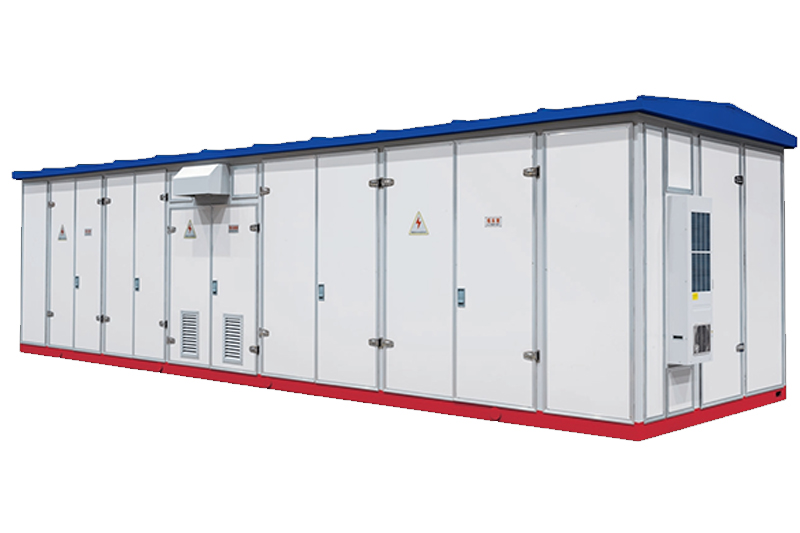
Maintenance of E-HOUSE substations is straightforward thanks to their organized internal layout and accessible design. Routine inspections include checking transformers, switchgear, protection devices, and auxiliary systems. Preventive maintenance schedules ensure long-term reliability and reduce unexpected downtime.
Lifecycle management also includes the flexibility to upgrade components or expand capacity by adding new modules. This adaptability makes E-HOUSE substations a sustainable choice for projects expecting future growth or evolving operational requirements. Remote monitoring and automation further enhance predictive maintenance and overall operational efficiency.
As power systems become smarter and more interconnected, E-HOUSE prefabricated substations are increasingly integrated with digital control systems, IoT monitoring, and advanced communication protocols. Smart E-HOUSE units can provide real-time data on load conditions, fault detection, energy efficiency, and predictive maintenance, supporting the development of resilient and intelligent power grids.
Modular substations also align with sustainability initiatives, reducing the environmental footprint by minimizing on-site construction and enabling more efficient energy management. As the global demand for flexible, reliable, and scalable power solutions grows, E-HOUSE substations are poised to become a standard choice for modern energy distribution.
E-HOUSE prefabricated substations offer a comprehensive, modular solution for efficient, reliable, and flexible power distribution. Their compact design, rapid installation, and adaptability make them suitable for industrial, commercial, renewable, and urban applications. By combining robust electrical equipment with factory-controlled quality, E-HOUSE units reduce installation risks, enhance operational safety, and support smart grid integration.
For industries seeking a turnkey power distribution solution that balances performance, scalability, and sustainability, E-HOUSE prefabricated substations represent a forward-looking investment. They not only meet current energy demands but also provide the flexibility to accommodate future growth, making them a vital component of modern electrical infrastructure.

ZTELEC Yuguang Electric Technology, founded in 2014, builds on state-owned industrial expertise to deliver reliable power solutions worldwide.
Copyright © 2026.ztygelectric All rights reserved.