

As renewable energy projects, data centers, industrial facilities, municipal infrastructure, and overseas EPC projects continue to expand, Prefabricated Substations have become a preferred solution for modern power distribution thanks to their factory-built construction, standardized quality, rapid installation, and shorter onsite construction periods.
However, fast manufacturing alone does not guarantee on-time project delivery. Every stage—including engineering design, material procurement, equipment manufacturing, factory testing, international transportation, onsite installation, and grid commissioning—can influence the overall project schedule. Poor coordination between manufacturing and construction often results in equipment storage costs, installation delays, and unnecessary budget overruns.
For EPC contractors, project owners, utilities, and industrial developers, understanding the complete production and logistics timeline is essential for successful project execution. This guide explains the manufacturing process, lead time considerations, logistics planning, and practical scheduling strategies for prefabricated substations.
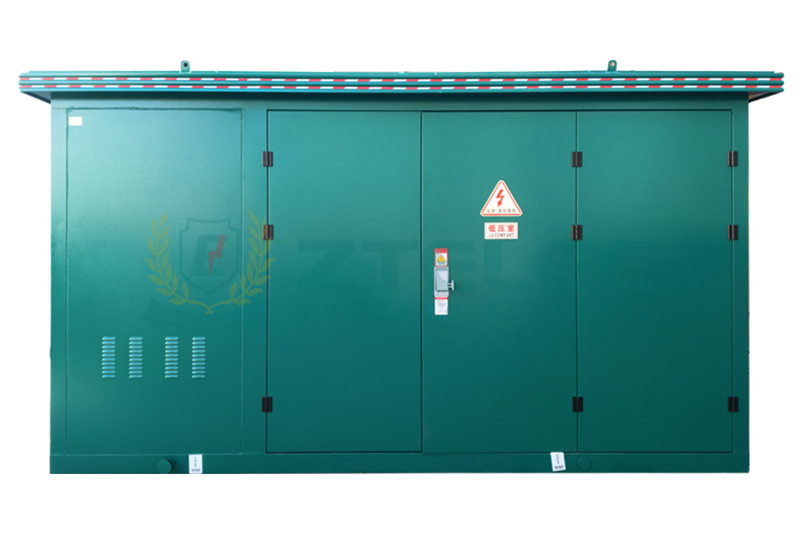
Although manufacturing procedures vary among suppliers, most prefabricated substations follow a similar production workflow.
After receiving project specifications, the manufacturer develops the primary and secondary electrical designs, equipment layout, foundation drawings, and control schematics for customer approval.
This engineering phase typically requires 1–3 weeks. Customized projects involving special voltage ratings, dual-transformer configurations, smart monitoring systems, or compliance with IEC, IEEE, ANSI, or local utility standards may require additional engineering time. Since all procurement and manufacturing activities depend on approved drawings, this stage should never be rushed.
Once drawings are approved, procurement begins for transformers, MV and LV switchgear, circuit breakers, protection relays, busbars, enclosure structures, and auxiliary equipment.
This stage often determines the overall project lead time. Imported circuit breakers, custom transformers, intelligent protection systems, and specialized electrical components may require 8–12 weeks or longer. Early procurement is highly recommended to minimize schedule risks.
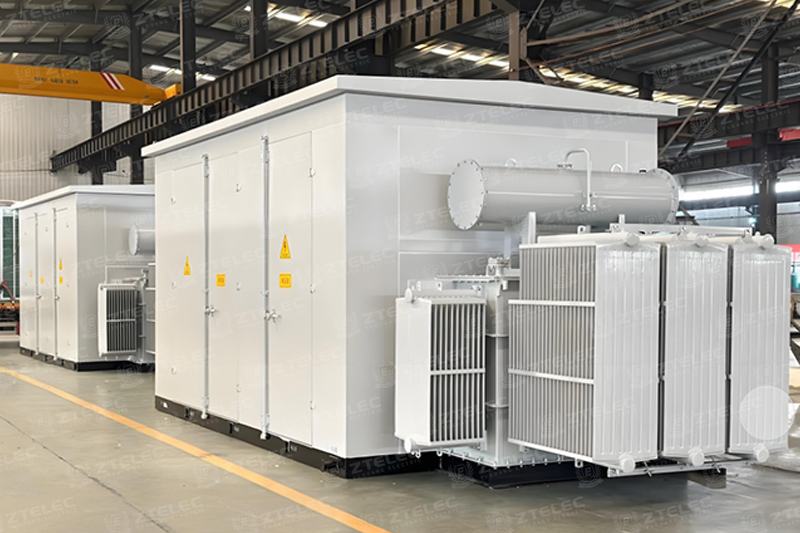
After key materials arrive, fabrication begins with steel structure manufacturing, enclosure welding, surface treatment, equipment installation, busbar assembly, cable routing, and auxiliary system integration.
Standard prefabricated substations generally require 4–6 weeks for fabrication and assembly, while highly customized or multi-module substations may require additional production time.
Upon completion of assembly, engineers perform comprehensive system integration, including primary circuit inspection, protection relay configuration, communication testing, interlocking verification, and auxiliary system commissioning.
Routine tests, dielectric tests, insulation resistance measurements, functional verification, and Factory Acceptance Testing (FAT), when required, ensure compliance with project specifications.
This phase generally takes 1–2 weeks.
Following successful testing, customers or third-party inspectors may conduct final factory inspections before shipment. Equipment is then packaged with moisture-proof and shock-resistant protection before transportation.
For most standard projects, the total production lead time from contract confirmation to shipment is approximately 10–16 weeks. Highly customized or large-scale substations may require 20 weeks or more.
The delivery schedule of a prefabricated substation depends on far more than manufacturing capacity. Several critical factors can significantly influence the overall project timeline.
Standardized designs are typically produced much faster than customized solutions. Special enclosure dimensions, high IP protection ratings, explosion-proof designs, corrosion-resistant structures, and unique voltage specifications usually extend engineering and manufacturing schedules.
The availability of critical electrical components directly affects manufacturing progress. Global supply chain fluctuations, shipping disruptions, and electronic component shortages continue to impact delivery schedules in many international projects.
Leading transformer manufacturers often operate with full production schedules during peak construction seasons. Reserving production capacity early helps avoid unexpected manufacturing delays.
Export projects frequently require IEC, UL, CE, GOST, or other certifications. Third-party inspections, witness testing, and utility acceptance procedures should be incorporated into the overall project schedule from the beginning.
Completing production is only one milestone. Transportation and onsite delivery are equally critical for successful project completion.
Transportation options depend on equipment dimensions, weight, destination, and project location. Flatbed trucks, low-bed trailers, modular transport, and ocean freight containers are commonly used.
Oversized equipment may require special transportation permits, which often take 1–2 weeks to obtain and should be included in project planning.
Before shipment, transportation routes should be evaluated for bridge load capacity, road width, turning radius, height restrictions, and construction conditions to prevent delivery delays upon arrival.
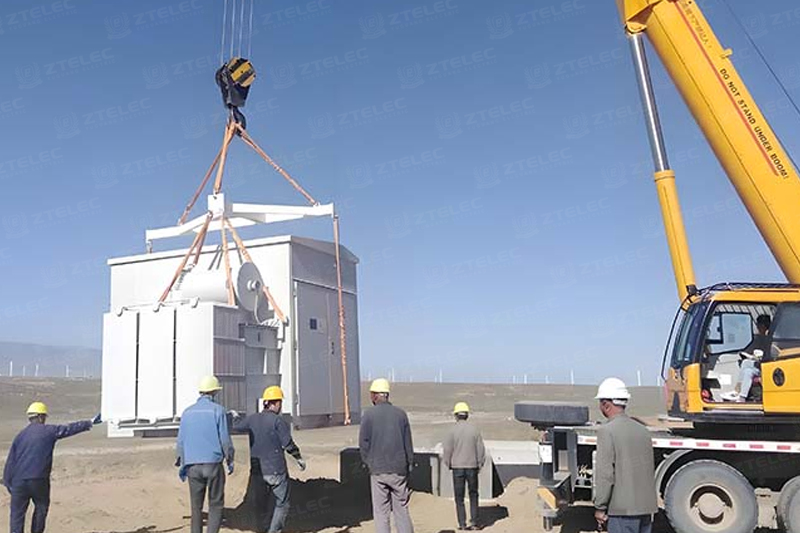
Most prefabricated substations require crane installation. Crane availability, lifting capacity, foundation readiness, and installation windows should all be coordinated well before equipment arrives onsite.
Synchronizing equipment delivery with civil construction minimizes storage costs and improves installation efficiency.
Long-distance transportation requires vibration-resistant, moisture-proof, and corrosion-resistant packaging. Export shipments should also comply with seaworthy packaging standards and ISPM 15 requirements for wooden packaging where applicable.
Successful project management begins with backward scheduling rather than simply relying on the contractual delivery date.
Identify the required energization or project completion date first, then work backward through installation, equipment delivery, factory shipment, manufacturing completion, engineering approval, and contract signing to establish a complete critical path schedule.
Industry best practice recommends adding a contingency of approximately 10–15% to the production schedule to accommodate material delays, transportation disruptions, weather conditions, or inspection issues.
Regular weekly or biweekly progress meetings with the manufacturer help track engineering status, procurement milestones, production progress, and shipping preparation while identifying potential delays early.
Civil works, cable installation, foundation completion, transportation, and crane operations should be synchronized to eliminate unnecessary waiting time and maximize project efficiency.
Alternative transportation routes, split deliveries, backup suppliers, and flexible commissioning schedules can significantly reduce the impact of unexpected delays caused by supply chain disruptions or severe weather.
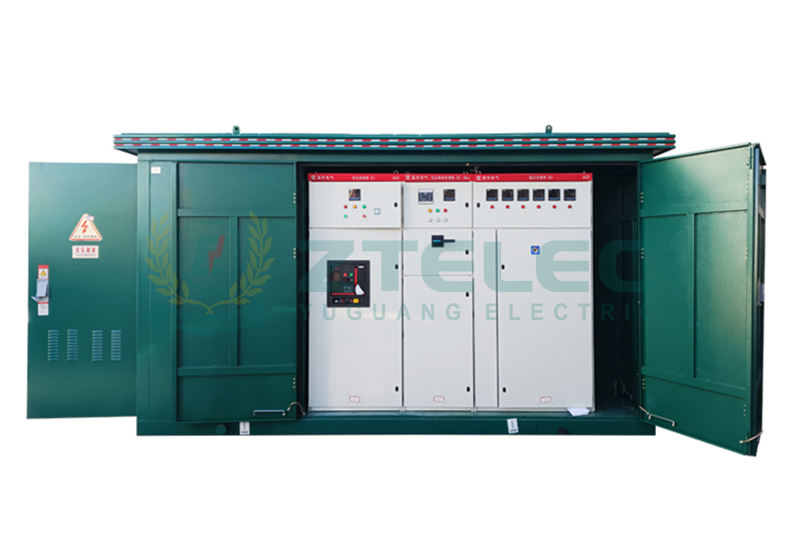
For utility projects, renewable energy plants, industrial facilities, and international EPC contracts, involving the equipment manufacturer during the early planning stage allows both parties to develop an integrated production schedule, logistics strategy, and installation plan.
Experienced manufacturers can provide production schedules, procurement reports, FAT plans, transportation documentation, and onsite technical support, improving project transparency and reducing execution risks.
International projects should also include ocean freight transit, customs clearance, inland transportation, and local installation schedules when developing the overall project timeline instead of focusing solely on factory production.
The delivery schedule of a prefabricated substation depends on much more than manufacturing speed. Engineering design, component procurement, quality assurance, transportation, and onsite construction must all be carefully coordinated to achieve successful project delivery.
By reserving manufacturing capacity early, establishing realistic production schedules, monitoring project progress continuously, and integrating manufacturing, logistics, and construction planning, project teams can significantly reduce schedule risks while controlling overall project costs.
For organizations planning to procure prefabricated substations, partnering with an experienced manufacturer that offers stable supply chain management, international logistics expertise, and proven EPC project support is one of the most effective ways to ensure on-time project completion.

ZTELEC Yuguang Electric Technology, founded in 2014, builds on state-owned industrial expertise to deliver reliable power solutions worldwide.
Copyright © 2026.ztygelectric All rights reserved.