

Oil-immersed transformers continue to play a critical role in modern power distribution systems. Utilities, industrial facilities, renewable energy projects, commercial buildings, and infrastructure developments all rely on these transformers to deliver stable and efficient electricity. Their excellent cooling performance, high reliability, and competitive lifecycle cost make them one of the most widely used transformer types worldwide.
As global demand for electrical infrastructure grows in 2026, buyers are paying closer attention to transformer specifications, manufacturing quality, certification requirements, operating costs, and maintenance strategies. Purchasing the right transformer is no longer simply about obtaining the lowest quotation. Instead, buyers must evaluate long-term performance, energy efficiency, compliance with international standards, and supplier capabilities.
This comprehensive FAQ answers the most common questions asked by EPC contractors, utilities, engineering consultants, distributors, and industrial end users. Whether you are purchasing a distribution transformer for a factory or a large power transformer for a utility substation, this guide will help you understand the technical and commercial factors that influence purchasing decisions.
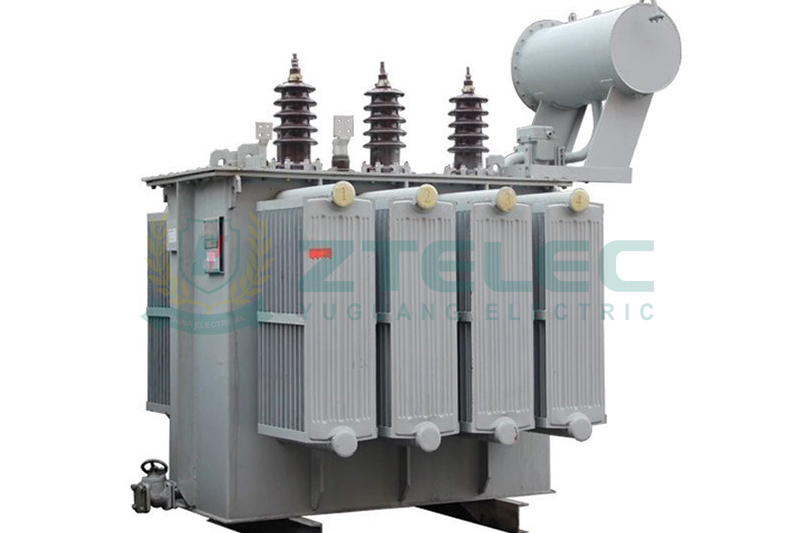
Before comparing prices or requesting quotations, buyers should first understand the basic technical characteristics of an oil-immersed transformer. The following questions explain the most important specifications used in international power distribution projects.
An oil-immersed transformer, also called an oil-filled transformer, is an electrical transformer whose magnetic core and windings are completely immersed in insulating oil. The oil performs two essential functions. It provides electrical insulation while simultaneously transferring heat away from the transformer windings.
This design allows the transformer to operate continuously under heavy electrical loads while maintaining stable operating temperatures. As a result, oil-immersed transformers have become the preferred solution for medium- and high-voltage power distribution systems around the world.
Compared with many other transformer technologies, oil-filled transformers offer excellent thermal performance, proven reliability, and lower operating costs over their service life. These advantages explain why they remain the standard choice for utilities and industrial power systems.
Although both transformer types perform the same electrical function, they are designed for different operating environments. Choosing the correct transformer depends on installation conditions, fire safety requirements, maintenance expectations, and project budget.
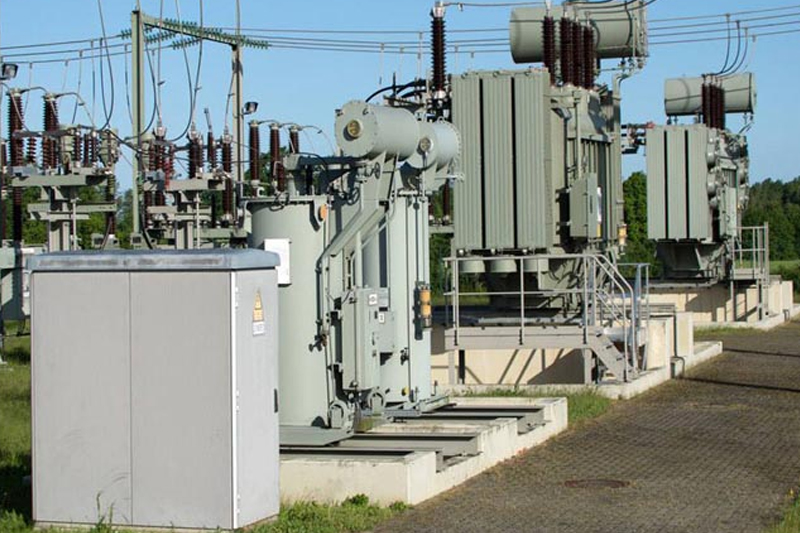
Oil-immersed transformers use insulating oil for cooling and insulation. Consequently, they generally provide higher efficiency, larger capacity ranges, stronger overload capability, and lower purchase costs. They are commonly installed outdoors in substations, renewable energy plants, industrial facilities, and utility networks.
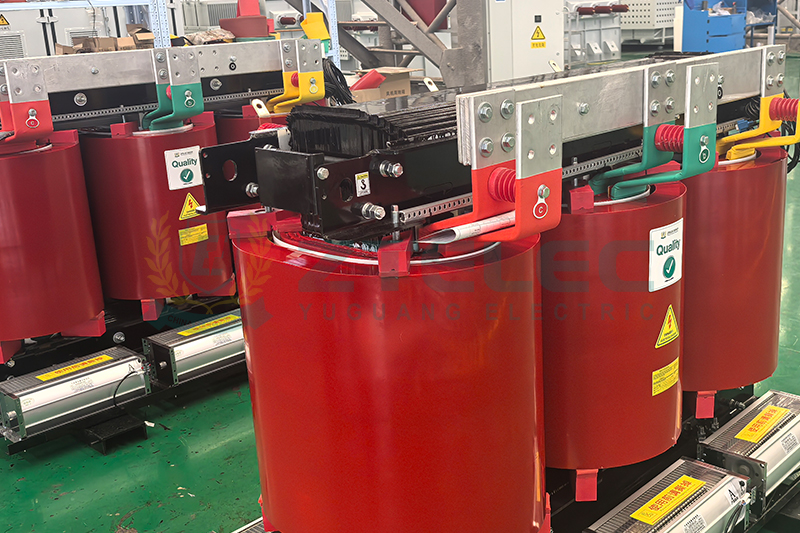
Dry-type transformers use air together with solid insulation materials instead of insulating oil. They eliminate the risk associated with oil leakage and offer superior fire safety. Therefore, they are widely used inside commercial buildings, hospitals, schools, airports, data centers, and other locations where fire protection is especially important.
Neither solution is universally better. Instead, engineers should select the transformer type according to technical requirements, environmental conditions, local regulations, and total lifecycle cost.
Oil-immersed transformers are available in an extremely wide range of capacities. Small distribution transformers may begin at only 30kVA, while large power transformers can exceed several hundred MVA.
For commercial and industrial distribution systems, the most common ratings include 100kVA, 250kVA, 500kVA, 630kVA, 800kVA, 1000kVA, 1250kVA, 1600kVA, 2000kVA, and 2500kVA. These models are widely used in factories, shopping centers, hospitals, residential developments, and renewable energy projects.
Utility substations and transmission networks often require much larger power transformers with ratings of 5MVA, 10MVA, 20MVA, 40MVA, or even higher. The appropriate transformer size should always be determined through professional load calculations and future expansion planning.
Selecting the correct voltage level is one of the most important steps in transformer specification. The transformer must match both the local electrical grid and the project's power distribution system.
Typical medium-voltage distribution systems operate at 6kV, 10kV, 11kV, 20kV, 22kV, 33kV, or 35kV. Higher transmission networks commonly use 66kV, 110kV, 132kV, 220kV, and even higher voltage classes depending on national utility standards.
International buyers should always confirm the required voltage ratings before requesting quotations. Different countries follow different utility standards, and incorrect voltage specifications may require a complete redesign of the transformer.
Working with an experienced transformer manufacturer during the early engineering stage helps avoid specification errors and shortens project delivery time.
Cooling performance directly affects transformer reliability and operating life. Manufacturers select different cooling methods according to transformer capacity and expected operating conditions.
The most common cooling method is ONAN (Oil Natural Air Natural). This system uses natural oil circulation and natural air cooling, making it ideal for small and medium-sized distribution transformers with relatively stable loads.
For larger transformers, manufacturers often recommend ONAF (Oil Natural Air Forced). Cooling fans improve heat dissipation and increase transformer loading capacity during peak demand periods.
Very large power transformers may require OFAF (Oil Forced Air Forced) or OFWF (Oil Forced Water Forced) cooling systems. These advanced cooling solutions maintain stable operating temperatures under continuous heavy loads and improve long-term reliability.
Both copper and aluminum winding materials are widely used in today's transformer industry. Each option offers unique technical and economic advantages.
Copper windings provide higher electrical conductivity, lower energy losses, stronger mechanical strength, and better resistance to short-circuit forces. Although copper transformers usually cost more, they often deliver lower operating costs throughout their service life.
Aluminum windings offer a lower initial purchase price and reduced transformer weight. They are commonly selected for projects where investment budgets are limited and operating conditions are relatively stable.
Rather than focusing only on material cost, buyers should compare energy efficiency, maintenance requirements, expected service life, and total lifecycle cost before making a final decision. In many long-term industrial applications, investing in copper windings can provide greater economic value over decades of operation.
After determining the basic specifications, most buyers focus on project costs and supplier selection. However, the lowest quotation does not always provide the best value. Understanding how manufacturers calculate prices helps buyers compare proposals more accurately and avoid unexpected costs during project execution.
Most oil-immersed transformers use mineral insulating oil because it offers excellent dielectric strength, reliable cooling performance, and competitive cost. Mineral oil has been the industry standard for decades and remains the preferred choice for the majority of utility and industrial applications.
In recent years, natural ester and synthetic ester insulating fluids have become increasingly popular. These environmentally friendly alternatives provide higher fire points, improved biodegradability, and better environmental protection than conventional mineral oil.
Many renewable energy projects, commercial buildings, tunnels, airports, and environmentally sensitive facilities now specify ester-filled transformers to improve fire safety and reduce environmental risks. Although ester fluids increase the initial investment, they may reduce long-term operational risks and help projects comply with stricter environmental regulations.
Transformer pricing depends on several technical and commercial factors. Capacity and voltage class usually have the greatest influence because they directly affect the amount of electrical steel, copper, insulation materials, and transformer oil required during manufacturing.
Other important cost factors include winding material, cooling method, tap changer configuration, enclosure design, protection level, monitoring devices, accessories, and compliance with international standards. Customized designs generally require additional engineering work and factory testing, which also increase the overall price.
Raw material prices can also affect quotations. Fluctuations in copper, electrical steel, transformer oil, and freight costs often cause noticeable price changes throughout the year. Therefore, buyers should compare quotations within similar time periods whenever possible.
Copper is considerably more expensive than aluminum, so copper-wound transformers usually cost between 15% and 30% more than equivalent aluminum models. The exact difference depends on transformer capacity, winding design, and international metal prices.
Although copper transformers require a higher initial investment, they generally provide lower electrical losses, better overload capability, and longer service life. These advantages can reduce operating costs over many years of continuous operation.
For projects with limited budgets or relatively light operating conditions, aluminum windings may offer a practical and economical solution. Buyers should evaluate the total lifecycle cost instead of comparing only the purchase price.
Providing complete technical specifications is the most effective way to receive an accurate quotation. Incomplete information often results in revised pricing or design changes later in the project.
A typical inquiry should include transformer capacity, primary and secondary voltages, frequency, vector group, impedance, tap changer requirements, cooling method, installation location, ambient temperature, altitude, enclosure protection level, and applicable standards.
Buyers should also specify whether additional accessories are required. Common options include on-load tap changers, online monitoring systems, temperature indicators, Buchholz relays, pressure relief devices, marshalling boxes, and remote communication interfaces.
When manufacturers receive complete project information at the beginning of the quotation process, they can recommend the most suitable transformer configuration while minimizing engineering revisions and procurement delays.
Yes. Different countries and regions follow different electrical standards, and these requirements influence transformer design, testing procedures, documentation, and certification costs.
Many international projects comply with IEC 60076 standards. Meanwhile, projects in the United States and Canada generally require ANSI or IEEE standards. Other countries may adopt national standards such as AS in Australia, NRS in South Africa, or additional local utility specifications.
Transformers manufactured for different markets may require different insulation clearances, temperature rise limits, testing procedures, and factory documentation. Consequently, certified products often cost more than standard domestic models because additional engineering and testing are required.
Buyers should always identify the required standards before requesting quotations. Doing so avoids redesign work and ensures that the supplied transformer complies with local regulations.
Production time depends primarily on transformer size, design complexity, and current factory workload. Standard distribution transformers usually require four to eight weeks for manufacturing, while large power transformers may require several months.
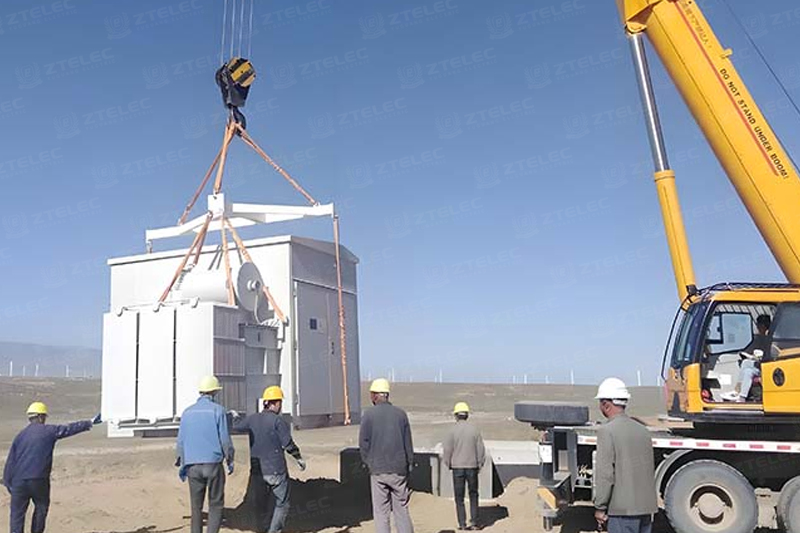
International delivery also depends on shipping method, destination port, customs clearance, and inland transportation. Oversized transformers may require special trailers, heavy-lift cranes, or project cargo logistics, which increase transportation costs.
To reduce project risks, buyers should discuss production schedules, shipping arrangements, and estimated delivery dates with the manufacturer before placing an order. Early planning helps avoid delays during construction.
Yes. Purchasing essential spare parts together with the transformer is a practical strategy that improves long-term equipment reliability and reduces maintenance downtime.
Common spare parts include bushings, gaskets, silica gel breathers, temperature indicators, oil level gauges, cooling fans, pressure relief valves, and sealing components. These items are relatively inexpensive when purchased with the original equipment but may require longer lead times if ordered later.
For critical substations, data centers, renewable energy plants, and industrial production lines, maintaining an inventory of essential spare parts can significantly reduce maintenance costs and minimize unexpected outages throughout the transformer's operating life.
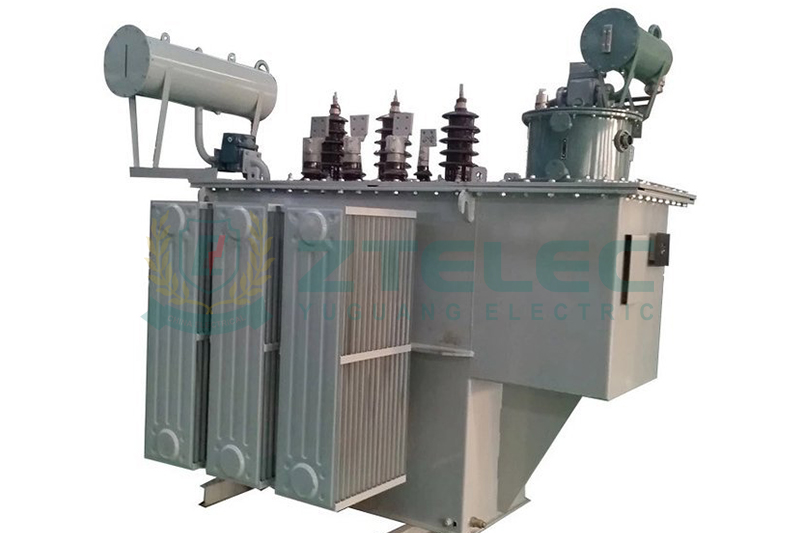
Proper maintenance is essential for ensuring the safety, reliability, and long service life of an oil-immersed transformer. Although modern transformers are designed for decades of operation, regular inspections and condition monitoring help prevent unexpected failures and reduce expensive downtime.
The following questions explain the most important maintenance practices that global buyers and operators should understand after transformer installation.
Most oil-immersed transformers should receive a comprehensive inspection at least once every year. However, transformers operating in critical applications or harsh environments may require more frequent inspections.
Routine maintenance usually includes checking transformer oil condition, inspecting external components, verifying electrical connections, examining cooling systems, and confirming that protection devices are functioning correctly.
For industrial plants, renewable energy facilities, and utility substations, maintenance schedules should be developed according to operating conditions, load levels, environmental exposure, and manufacturer recommendations.
Insulating oil plays a vital role in transformer performance because it provides both insulation and heat transfer. Therefore, monitoring oil quality is one of the most important maintenance activities.
In general, transformer oil analysis should be performed every one to two years. Laboratory tests commonly include dielectric strength, moisture content, acidity value, interfacial tension, and dissolved gas analysis.
If testing indicates serious oil degradation, operators may perform oil filtration, regeneration, or replacement. However, complete oil replacement is usually only necessary when the oil condition exceeds acceptable operating limits.
Early fault detection helps prevent unexpected transformer failures and costly power interruptions. Modern maintenance strategies increasingly rely on condition monitoring technologies rather than only traditional inspections.
Dissolved Gas Analysis (DGA) is one of the most widely used methods for identifying internal transformer problems. By analyzing gases dissolved in transformer oil, engineers can detect overheating, insulation deterioration, partial discharge, and winding-related issues.
Other diagnostic methods include insulation resistance testing, winding resistance measurement, partial discharge testing, infrared thermal imaging, and online monitoring systems. Together, these technologies provide a comprehensive assessment of transformer health.
Oil-immersed transformers normally produce a low level of operating noise caused by magnetic core vibration and electromagnetic forces. However, sudden increases in noise or unusual vibration may indicate a potential problem.
Possible causes include loose core clamping structures, winding deformation, mechanical damage, excessive loading, poor installation conditions, or internal electrical faults.
When abnormal noise or vibration is detected, operators should arrange professional inspection immediately. Engineers should analyze operating data, check mechanical components, measure electrical parameters, and determine whether the transformer can continue operating safely.
Ignoring abnormal sounds or vibrations may result in more serious failures, longer outages, and higher repair costs.
A high-quality oil-immersed transformer typically has a design service life of 25 to 35 years under normal operating conditions. With proper maintenance and suitable loading conditions, many transformers can operate reliably for even longer periods.
The actual lifespan depends on several factors, including operating temperature, load percentage, insulation aging, oil quality, maintenance frequency, manufacturing quality, and environmental conditions.
Transformers operating continuously at high temperatures or under frequent overload conditions may experience accelerated insulation aging. Therefore, proper load management and preventive maintenance are essential for extending equipment life.
Seasonal changes can affect transformer operating conditions. Maintenance strategies should be adjusted according to climate and environmental factors.
During hot summer periods, operators should pay close attention to oil temperature, radiator performance, cooling fans, and transformer loading. High ambient temperatures combined with heavy loads may increase thermal stress and accelerate insulation aging.
During winter, maintenance teams should check breather systems, moisture protection equipment, and oil viscosity changes. In extremely cold regions, special attention should be given to preventing condensation and ensuring reliable operation of mechanical components.
Adapting maintenance practices to seasonal conditions improves transformer reliability and reduces the risk of unexpected shutdowns.
For important power assets, online monitoring systems are becoming increasingly popular. These systems allow operators to continuously track transformer operating conditions and identify potential problems before failures occur.
A typical online monitoring system can measure parameters such as oil temperature, winding temperature, oil level, dissolved gas concentration, moisture content, load current, and operating status.
For utility substations, renewable energy plants, data centers, mining facilities, and large industrial projects, online monitoring provides significant advantages. It supports predictive maintenance, improves asset management efficiency, and reduces the risk of unexpected power outages.
Oil-immersed transformers remain one of the most important components in global power distribution systems. Their excellent reliability, strong overload capability, flexible capacity range, and proven operating performance make them the preferred choice for utilities, industries, renewable energy projects, and infrastructure development.
However, selecting the right transformer requires careful consideration of technical specifications, voltage ratings, winding materials, cooling methods, certification requirements, and lifecycle costs. A professional evaluation before purchasing can help buyers avoid unnecessary expenses and ensure long-term operational reliability.
For international buyers, successful transformer procurement depends not only on competitive pricing but also on choosing an experienced manufacturer with strong engineering capability, reliable quality control, and comprehensive after-sales support.
Whether your project involves a distribution network, industrial plant, solar farm, wind power project, or utility substation, understanding transformer specifications, pricing factors, and maintenance requirements is essential for achieving safe, efficient, and sustainable power system operation.

ZTELEC Yuguang Electric Technology, founded in 2014, builds on state-owned industrial expertise to deliver reliable power solutions worldwide.
Copyright © 2026.ztygelectric All rights reserved.