

With the global transition toward energy efficiency, renewable power integration, and smart grid development, dry type transformers are becoming increasingly important in modern electrical systems. Their advantages, including fire safety, environmental protection, low maintenance requirements, and reliable operation, make them widely used in industrial facilities, data centers, commercial buildings, rail transit systems, and renewable energy projects.
As demand continues to grow, the number of dry type transformer manufacturers has increased significantly. Many buyers ask the same question: which dry transformer manufacturer is the best choice?
However, there is no universally recognized ranking that applies to every project. Different manufacturers have different strengths in technology, production capacity, certifications, application experience, and service capability.
Instead of focusing only on rankings, buyers should understand the differences between various types of manufacturers and evaluate suppliers based on their actual project requirements. This article compares major dry type transformer manufacturers from several important perspectives, helping global buyers make a more informed decision.
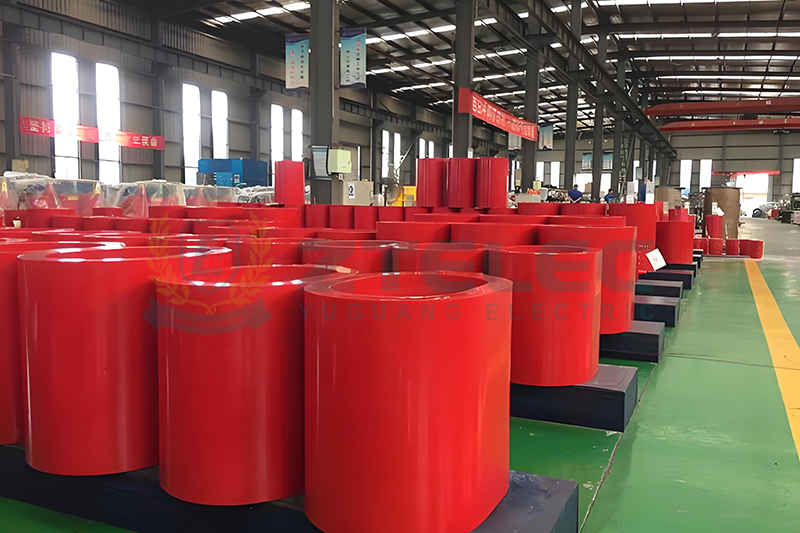
Large electrical equipment groups usually have extensive experience in power transmission and distribution equipment. Their product portfolio often covers dry type transformers, oil immersed transformers, switchgear, power equipment, and complete electrical solutions.
These companies typically have strong research and development capabilities, multiple production bases, and experience with large-scale infrastructure projects. Their products are commonly used in utility networks, energy projects, transportation systems, and major industrial applications.
The main advantages of these manufacturers include strong brand recognition, complete quality systems, and the ability to handle large-volume projects with strict technical requirements.
Professional dry type transformer manufacturers focus mainly on transformer design and production. Compared with diversified electrical groups, they usually have a more concentrated product range and stronger flexibility in customization.
Many specialized manufacturers develop deep experience in applications such as data centers, renewable energy systems, mining projects, industrial plants, and rail transit.
Their advantages often include faster response, flexible engineering support, competitive pricing, and shorter delivery cycles for customized projects.
Some dry transformer suppliers operate through cooperation between domestic manufacturers and international electrical companies. These companies combine local manufacturing advantages with international technical standards.
They often perform well in projects requiring strict compliance with global standards, export certifications, and international engineering specifications.
Many regional dry transformer factories serve local markets and nearby customers. Their main advantages are fast communication, flexible commercial terms, and competitive pricing.
These suppliers can be suitable for standard projects with moderate technical requirements. However, buyers should carefully evaluate their engineering capability, testing facilities, and experience with complex applications.
Technology capability is one of the most important differences between transformer manufacturers. Leading companies continuously invest in advanced technologies such as low-loss core materials, three-dimensional wound cores, optimized winding structures, and improved insulation systems.
These technologies directly affect transformer efficiency, noise level, short-circuit resistance, harmonic performance, and service life.
For projects with high energy consumption, selecting a manufacturer with strong technical capability can significantly reduce long-term operating costs.
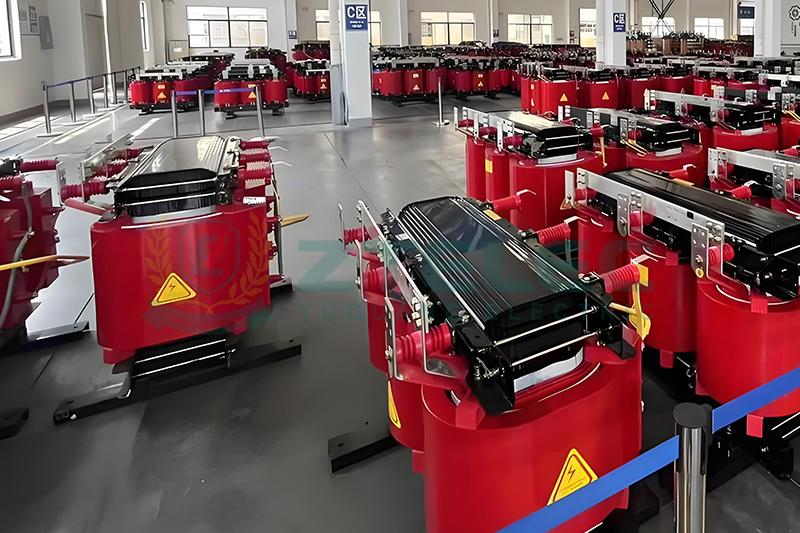
Production capability directly influences project schedules. Large manufacturers usually operate multiple factories with standardized production processes and advanced testing equipment.
They are suitable for large orders, multiple-unit projects, and strict delivery schedules.
Smaller manufacturers may provide greater flexibility for customized designs and smaller quantities. Therefore, the best choice depends on project scale and delivery requirements.
Certifications provide important evidence of manufacturing quality and compliance. Reliable dry type transformer manufacturers normally maintain quality systems such as ISO 9001 and provide factory test reports and type test documentation.
For international projects, buyers should also check compliance with standards such as IEC 60076-11, IEEE C57, CE, UL, or other regional requirements.
A qualified supplier should be able to provide complete technical documents instead of relying only on marketing materials.
Different industries have different transformer requirements. A data center may require low noise and high reliability, while a solar project may require special voltage ratios and high efficiency.
Experienced manufacturers can provide customized solutions for challenging environments, including high humidity, high altitude, coastal areas, high harmonic loads, marine applications, and special industrial conditions.
Transformer performance depends not only on manufacturing quality but also on long-term technical support.
Large suppliers often provide wider service networks, remote monitoring solutions, spare parts support, and professional maintenance guidance.
For overseas projects, supplier response capability and international service experience are especially important.
Price is an important factor, but it should not be the only selection criterion. A lower initial purchase price may lead to higher energy losses, maintenance costs, or shorter service life.
A professional evaluation should consider total ownership cost, including purchase price, energy efficiency, maintenance requirements, reliability, and after-sales support.
Many online "top dry type transformer manufacturer rankings" are created by marketing companies or promotional websites. Their evaluation criteria and data sources are often unclear.
A manufacturer ranking may provide general market information, but it cannot replace technical evaluation based on actual project requirements.
A reliable supplier should provide verified project references, application cases, and technical documentation.
Real project experience is especially important for demanding applications such as data centers, renewable energy plants, rail transit, and industrial facilities.
Buyers should carefully review key parameters including rated capacity, voltage level, losses, insulation class, temperature rise, impedance voltage, and short-circuit capability.
Independent test reports and factory inspection records provide stronger evidence than product brochures alone.
The best dry type transformer supplier is not always the cheapest one. A complete evaluation should include technical performance, delivery reliability, certification compliance, and lifetime operating costs.
When selecting a dry type transformer manufacturer, buyers should first define their application requirements. Different industries require different technical solutions.
For example, data centers usually prioritize reliability, low noise, and intelligent monitoring. Renewable energy projects focus more on efficiency, voltage matching, and grid compatibility. Industrial plants may require strong overload capability and customized protection designs.
Before placing an order, buyers should request complete technical documents, including product specifications, test reports, certifications, and reference projects.
For large or special projects, factory audits and customer reference checks are recommended. These steps help reduce procurement risks and ensure long-term equipment reliability.
The dry type transformer market includes large electrical groups, specialized transformer manufacturers, international joint ventures, and regional factories. Each type of supplier has different advantages.
There is no single manufacturer ranking that can satisfy every application. The right choice depends on project requirements, technical standards, budget, delivery expectations, and long-term service needs.
By evaluating technology capability, certifications, manufacturing experience, customization ability, and total ownership cost, buyers can select the most suitable dry type transformer manufacturer and achieve a safer, more efficient power distribution system.

ZTELEC Yuguang Electric Technology, founded in 2014, builds on state-owned industrial expertise to deliver reliable power solutions worldwide.
Copyright © 2026.ztygelectric All rights reserved.