

Choosing the right oil-immersed transformer is one of the most important decisions in any power distribution project. Whether you are building a utility substation, expanding an industrial facility, developing renewable energy infrastructure, or upgrading an existing electrical network, selecting the correct transformer directly impacts system reliability, operating costs, energy efficiency, and equipment lifespan.
An undersized transformer can overload during peak demand, while an oversized unit increases unnecessary capital investment and idle energy losses. Understanding the technical requirements before purchasing helps avoid expensive downtime and future replacement costs.
With more than 20 years of transformer manufacturing experience, ZTELEC YUGUANG supplies high-performance oil-immersed transformers that comply with IEC 60076, GB, ANSI, and other international standards. This guide explains the seven most important considerations when selecting an oil-filled transformer for your project.
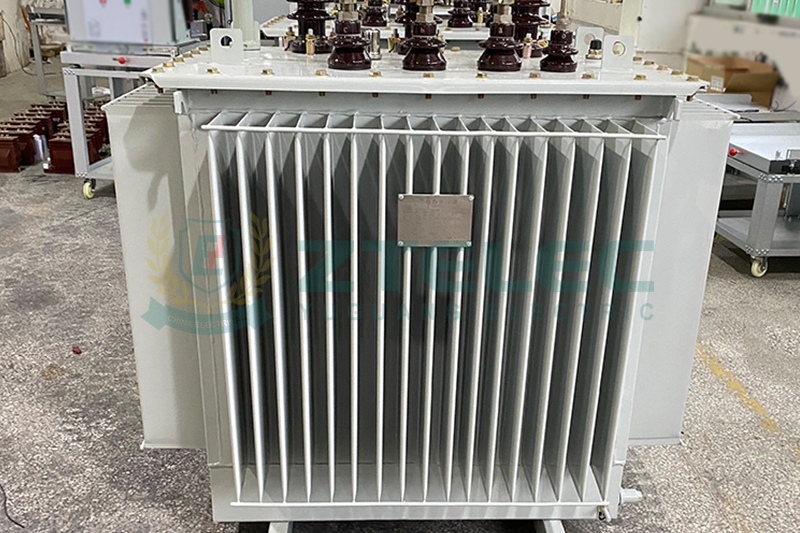
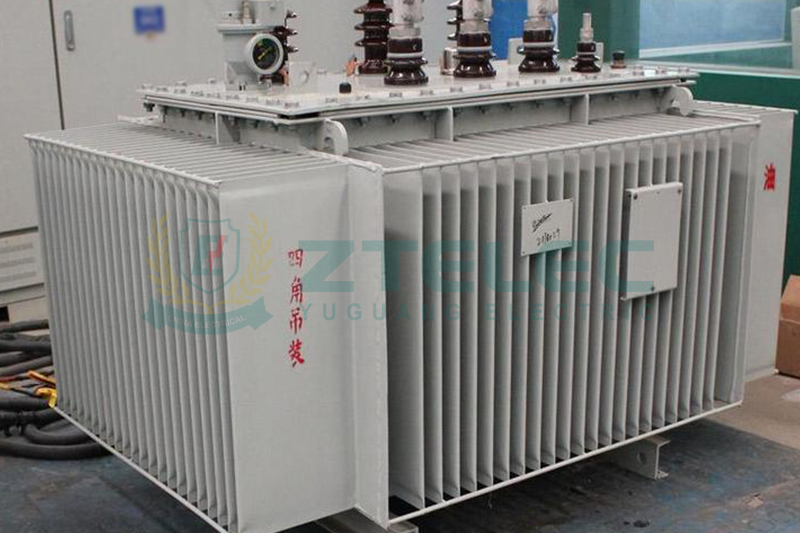
An oil-immersed transformer, also known as an oil-filled transformer, is a power transformer whose core and windings are completely immersed in insulating mineral oil or environmentally friendly insulating fluid. The insulating oil performs two essential functions simultaneously.
First, it efficiently transfers heat away from the windings, allowing the transformer to operate continuously under heavy electrical loads. Second, it provides excellent electrical insulation between energized components, reducing the risk of partial discharge, short circuits, and insulation breakdown.
Because of its superior cooling capability, an oil-immersed transformer delivers higher efficiency, larger capacity, longer service life, and lower operating costs than many alternative transformer technologies.
| Feature | Oil-Immersed Transformer | Dry-Type Transformer |
|---|---|---|
| Cooling Method | Insulating Oil | Air Cooling |
| Typical Capacity | Up to 500MVA+ | Generally up to 20MVA |
| Efficiency | 98%–99% | 95%–98% |
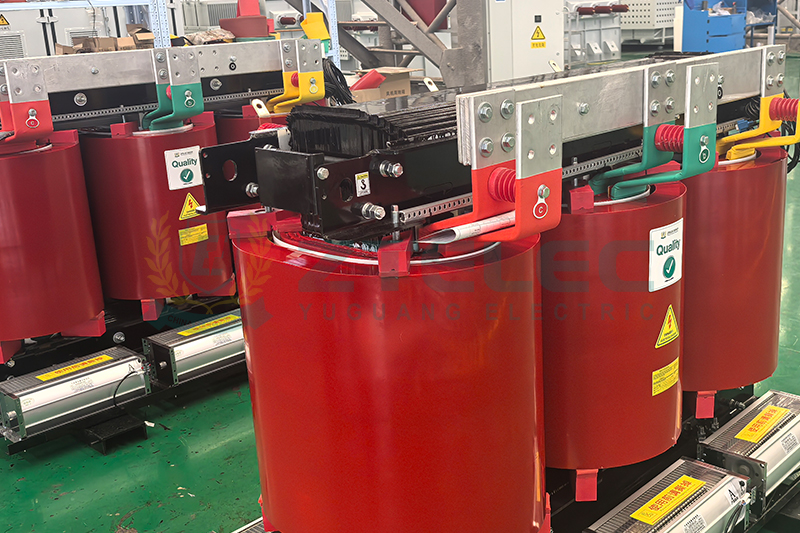
| Maintenance | Periodic oil inspection required | Minimal maintenance |
| Installation | Outdoor & Utility Applications | Indoor Buildings |
| Best Applications | Substations, Industry, Power Plants | Hospitals, Data Centers, Commercial Buildings |
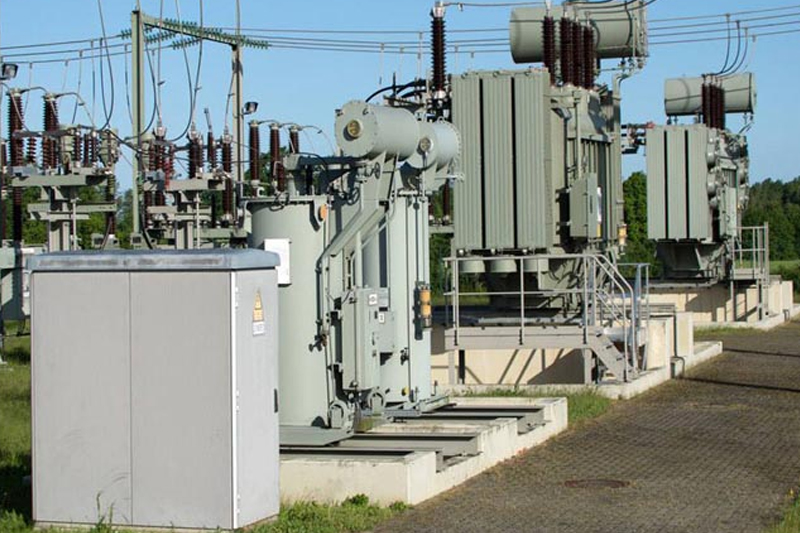
For medium- and high-voltage applications, oil-immersed transformers remain the preferred solution because of their excellent overload capability, long operating life, and lower cost per MVA.
ZTELEC YUGUANG is a professional transformer manufacturer providing customized oil-immersed transformers for utility companies, EPC contractors, renewable energy developers, mining operations, manufacturing plants, and commercial infrastructure projects worldwide.
Every transformer is engineered to deliver maximum reliability, low operating losses, and long-term performance under demanding operating conditions.
Key advantages include:
More than 20 years of transformer manufacturing experience.
Compliance with IEC 60076, ANSI, GB, CE, ISO 9001 and other international standards.
Voltage ratings from 10kV to 500kV.
Power ratings from 10MVA to over 500MVA.
Low-loss silicon steel cores and optimized copper windings.
Customized cooling systems, tap changers, protection devices and monitoring solutions.
Global technical support, commissioning and after-sales service.
The transformer capacity should always match both the current electrical demand and future expansion plans.
To determine the correct rating:
Calculate the total connected load.
Estimate the maximum demand.
Add approximately 20% to 25% spare capacity for future growth.
Select the nearest standard transformer rating.
| Transformer Rating | Typical Application |
|---|---|
| 10MVA–50MVA | Factories, Commercial Buildings |
| 50MVA–200MVA | Utility Substations, Industrial Plants |
| 200MVA+ | Transmission Networks, Power Stations |
Proper sizing reduces overload risk while maximizing energy efficiency throughout the transformer's service life.
The transformer must match the electrical characteristics of both the utility grid and the connected equipment.
Typical primary voltages include:
10kV, 35kV, 66kV, 110kV, 220kV and 500kV.
Common secondary voltages include:
400V, 6.6kV, 11kV and 33kV.
For international projects, voltage specifications should comply with local utility regulations and applicable standards such as IEC, ANSI or GB.
ZTELEC YUGUANG offers customized voltage ratios and tap changer configurations for worldwide applications.
The cooling system determines transformer loading capability, efficiency and operating temperature.
| Cooling Method | Description | Recommended Application |
|---|---|---|
| ONAN | Oil Natural Air Natural | Small and Medium Transformers |
| ONAF | Oil Natural Air Forced | Medium and Large Transformers |
| OFAF | Oil Forced Air Forced | High Capacity Industrial Systems |
| OFWF | Oil Forced Water Forced | Hydropower and Large Power Plants |
Projects located in hot climates or operating under continuous heavy loads generally benefit from ONAF or OFAF cooling systems to maintain optimal operating temperatures.
Transformer losses represent a significant portion of lifetime operating expenses.
The two primary categories are:
No-load losses generated by core magnetization.
Load losses generated by winding resistance.
Modern oil-immersed transformers using premium grain-oriented silicon steel and optimized copper windings significantly reduce both loss categories.
ZTELEC YUGUANG designs transformers with ultra-low loss cores and advanced winding technology that meet or exceed IEC 60076 efficiency requirements, helping customers reduce electricity costs throughout the equipment's operating life.
Environmental conditions greatly influence transformer reliability.
Before selecting a transformer, evaluate installation location, ambient temperature, humidity, altitude, dust levels, and corrosive environments.
Outdoor installations require weather-resistant enclosures and anti-corrosion coatings.
Coastal areas benefit from enhanced corrosion protection.
Cold climates require insulating oils suitable for low-temperature operation.
Projects located above 1000 meters elevation often require transformer derating or customized cooling designs.
ZTELEC YUGUANG provides customized solutions for deserts, offshore facilities, tropical climates, mining operations and high-altitude installations.
Routine maintenance significantly extends transformer service life and improves operational safety.
Recommended inspections include oil dielectric testing, moisture analysis, dissolved gas analysis (DGA), temperature monitoring, bushing inspection, oil level verification and tap changer maintenance.
Modern digital monitoring systems allow utilities and industrial facilities to detect abnormalities before failures occur.
ZTELEC YUGUANG integrates intelligent monitoring technologies including:
Online dissolved gas analysis.
Real-time oil temperature monitoring.
IoT remote monitoring platforms.
Predictive maintenance alarms.
Load trend analysis.
These intelligent solutions reduce maintenance costs while improving equipment availability.
Purchasing a certified transformer ensures compliance, safety and long-term reliability.
Always verify that the manufacturer can provide internationally recognized testing reports and certifications.
Common standards include IEC 60076, ANSI C57, GB/T 6451 and related regional specifications.
Quality certifications such as ISO 9001, ISO 14001 and occupational health management systems further demonstrate manufacturing capability.
ZTELEC YUGUANG performs comprehensive routine tests, type tests and factory acceptance tests before shipment, ensuring every transformer meets customer specifications.
| Comparison | Oil-Immersed Transformer | Dry-Type Transformer |
|---|---|---|
| Power Capacity | 10MVA–500MVA+ | 50kVA–20MVA |
| Efficiency | Excellent | Very Good |
| Overload Capability | Higher | Moderate |
| Maintenance | Periodic | Minimal |
| Operating Cost | Lower for High Capacity | Higher for Large Ratings |
| Ideal Applications | Power Utilities, Heavy Industry | Indoor Commercial Buildings |
If your project requires large power capacity, maximum efficiency, lower lifecycle cost and long-term reliability, an oil-immersed transformer is generally the preferred solution.
A manufacturing facility required a reliable 50MVA transformer capable of operating continuously under high ambient temperatures exceeding 45°C.
ZTELEC YUGUANG supplied an ONAF-cooled oil-immersed transformer equipped with intelligent temperature monitoring.
The customer achieved approximately 15% lower energy consumption while maintaining uninterrupted operation for more than five years.
A coastal renewable energy project required a 35kV 100MVA transformer capable of resisting salt spray corrosion and severe weather.
ZTELEC YUGUANG engineered a customized transformer featuring marine-grade anti-corrosion coating and OFWF cooling.
The installation has demonstrated excellent reliability with over 99.5% operational availability.
With proper maintenance, high-quality oil-immersed transformers typically provide 30 to 40 years of reliable service, and many continue operating even longer.
ONAN is the most common cooling method for standard distribution transformers, while ONAF and OFAF are preferred for larger utility and industrial installations.
Yes. Voltage, capacity, impedance, cooling system, tap changer, enclosure protection, monitoring systems and insulation levels can all be customized according to project requirements.
Selecting the right oil-immersed transformer involves much more than comparing power ratings. Engineers and project managers should evaluate transformer capacity, voltage levels, cooling technology, efficiency, installation environment, maintenance strategy and international certifications before making a purchasing decision.
ZTELEC YUGUANG combines decades of manufacturing experience, advanced engineering, strict quality control and international certifications to deliver reliable oil-immersed transformers for utility, industrial, renewable energy and infrastructure projects around the world.
If you are planning a new power project or upgrading an existing electrical system, our engineering team can provide customized transformer solutions designed for maximum efficiency, long service life and the lowest total cost of ownership.

ZTELEC Yuguang Electric Technology, founded in 2014, builds on state-owned industrial expertise to deliver reliable power solutions worldwide.
Copyright © 2026.ztygelectric All rights reserved.