

When purchasing a 1000 kVA oil immersed transformer, choosing between copper and aluminum windings is often one of the most important decisions affecting long-term project returns. Although copper winding transformers typically cost 15% to 30% more than aluminum winding models, the true value of a power asset with a service life of 25 to 35 years lies not in the initial purchase price, but in operating efficiency, reliability, and lifecycle performance.
For industrial plants, data centers, mining operations, chemical facilities, and commercial complexes, copper winding transformers generally offer significant advantages in energy loss reduction, short-circuit withstand capability, overload performance, and total cost of ownership. As a result, many international EPC contractors and industrial end-users increasingly specify copper windings as the standard configuration.
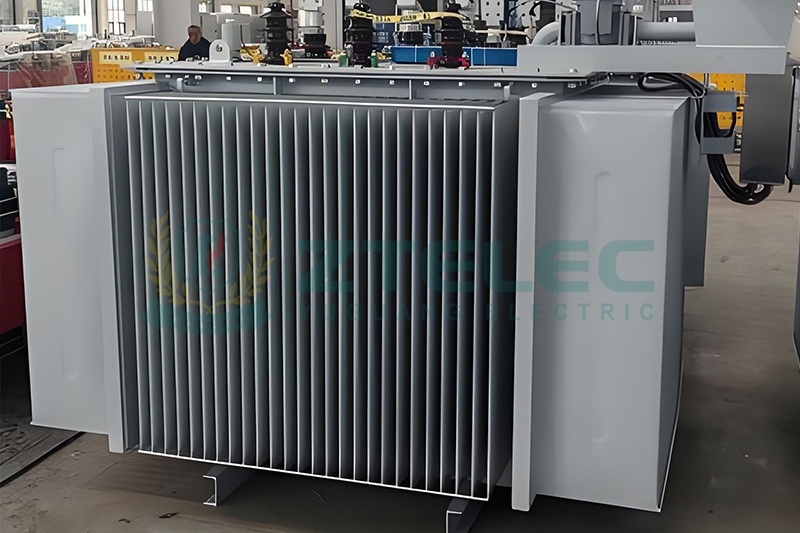
Copper and aluminum are the two most common conductor materials used in transformer windings. However, they differ significantly in electrical conductivity, mechanical strength, and thermal stability.
Copper has a conductivity of approximately 61 MS/m, while aluminum provides about 35 MS/m. Under identical operating conditions, copper offers roughly 1.75 times the conductivity of aluminum. This allows copper windings to carry the same current with a smaller conductor cross-section, reducing resistance losses and heat generation.
The melting point of copper is 1,085°C, compared with only 660°C for aluminum. During overloads or short-circuit events, copper windings can withstand higher thermal stress, reducing the risk of localized melting and insulation damage.
In addition, copper typically has a tensile strength of 210–250 MPa, whereas aluminum ranges from 70–100 MPa. This higher mechanical strength enables copper windings to better resist deformation caused by short-circuit electromagnetic forces, enhancing transformer reliability throughout its operating life.
Load losses primarily result from I²R losses generated by conductor resistance. Because copper has significantly lower resistivity than aluminum, copper winding transformers generally achieve lower load losses under identical operating conditions.
For example, a typical 1000 kVA S13 oil immersed transformer with copper windings may achieve load losses below 10,300 W, while a comparable aluminum winding design may reach approximately 11,500 W. Although the difference appears small, the resulting energy cost savings accumulate substantially over decades of operation.
For continuously operating industrial facilities, even a 1% reduction in transformer losses can translate into tens of thousands of dollars in long-term energy savings.
Rated Capacity: Both designs provide 1000 kVA and deliver the same power capacity.
No-Load Losses: Both can comply with GB/T 6451 and IEC 60076 efficiency requirements, with minimal differences.
Load Losses: Copper winding transformers typically reduce load losses by 10% to 12% compared with aluminum designs.
Hot-Spot Temperature Rise: Copper windings generally operate at lower hot-spot temperatures, helping extend insulation life.
Short-Circuit Withstand Capability: Copper windings offer superior mechanical strength and thermal endurance.
Service Life: Copper winding transformers commonly achieve 25–35 years of service life, while aluminum winding units typically range from 20–28 years.
Purchase Cost: Copper winding transformers require a higher initial investment but usually provide lower long-term operating costs.
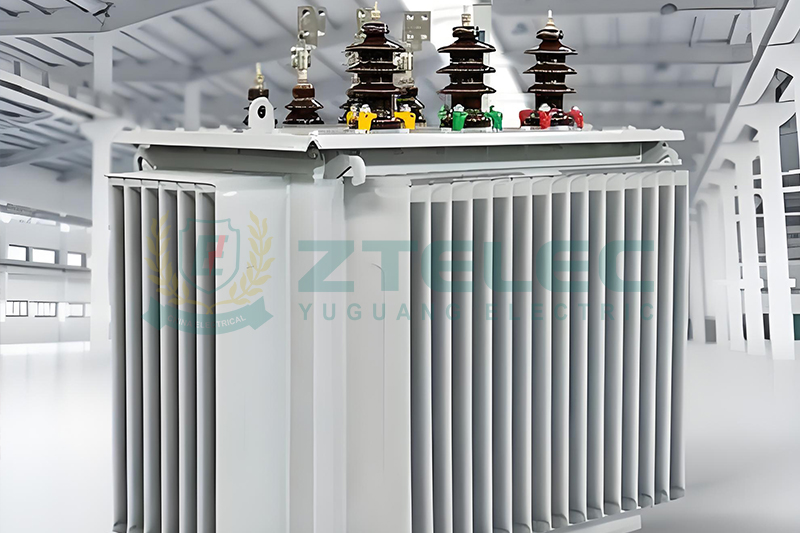
For industrial users, total cost of ownership is often more important than the purchase price alone.
Assume a 1000 kVA transformer operates at an average load factor of 70%, runs 8,000 hours annually, and electricity costs ¥0.85/kWh. Under these conditions, a copper winding transformer can save approximately ¥5,000 per year in energy costs compared with an aluminum winding alternative.
Over a 25-year operating period, cumulative energy savings can exceed ¥125,000, significantly outweighing the typical initial price premium of ¥20,000–25,000.
In practical terms, the additional investment in a copper winding transformer can often be recovered within four to six years, with the remaining service life generating ongoing operational savings.
Many purchasing decisions focus solely on equipment price and energy efficiency while overlooking maintenance expenses and outage-related losses.
According to transformer insulation aging principles, every 6°C reduction in hot-spot temperature can significantly extend insulation life. Because copper windings generally operate at lower temperatures, they help slow insulation paper degradation.
At the same time, copper's superior short-circuit withstand capability reduces the likelihood of winding deformation, inter-turn faults, and catastrophic failures.
For data centers, hospitals, semiconductor facilities, and continuous-process industries, a single unplanned outage can cause losses far exceeding the price difference between copper and aluminum windings.
When a project operates continuously at load factors above 70%, faces high electricity costs, experiences elevated ambient temperatures, or requires exceptional reliability, copper winding transformers typically provide the greatest economic value.
Data centers, hospitals, rail transit systems, steel mills, petrochemical facilities, large commercial buildings, and export-oriented industrial projects commonly specify copper winding transformers.
Copper windings are also preferred for projects requiring service lives exceeding 25 years or compliance with IEC 60076, KEMA, and other international certification standards.
However, aluminum winding transformers may remain a viable choice for temporary power systems, low-load applications, or projects with extremely limited capital budgets.
Buyers should request complete type test reports and verify that measured load losses comply with the specified design values.
It is also important to confirm that the nameplate and technical documentation clearly identify the winding material as “Cu” or “Copper Winding,” and to request material certificates for the conductor.
During Factory Acceptance Testing (FAT), independent third-party inspection agencies should be engaged to verify winding materials and prevent potential substitution of aluminum conductors in low-cost products.
For export projects, compliance with IEC 60076, IEEE C57, or other applicable market standards should also be verified.
As global energy costs continue to rise and efficiency regulations become more stringent, transformer procurement strategies are shifting from the lowest purchase price toward the lowest total cost of ownership.
Although copper winding transformers require higher upfront investment, they deliver greater return on investment through lower losses, longer service life, improved reliability, and reduced maintenance risks.
For organizations focused on energy efficiency, operational reliability, and long-term profitability, copper windings represent not just a material choice, but a strategic investment decision.
The value of a 1000 kVA copper winding oil immersed transformer extends beyond lower load losses. It also includes greater short-circuit withstand capability, longer service life, and reduced lifecycle costs.
For industrial and infrastructure projects expected to operate for more than 20 years, copper windings can often recover their additional investment within a few years and continue generating energy savings throughout the remaining service life.
When evaluating transformer procurement options, buyers should look beyond the purchase price and consider energy consumption, reliability requirements, maintenance expenses, and expected service life to identify the solution that delivers the greatest long-term value.

ZTELEC Yuguang Electric Technology, founded in 2014, builds on state-owned industrial expertise to deliver reliable power solutions worldwide.
Copyright © 2026.ztygelectric All rights reserved.