

As artificial intelligence (AI), cloud computing, high-performance computing (HPC), and big data applications continue to expand rapidly, modern data centers are evolving toward higher power density, greater reliability, and improved energy efficiency. Increasing server rack power densities, together with the widespread deployment of UPS systems, precision cooling, and liquid cooling technologies, place unprecedented demands on electrical power distribution infrastructure.
As a critical component of medium-voltage power distribution, the 1000 kVA compact substation has become an ideal solution for cloud data centers, Internet Data Centers (IDCs), edge computing facilities, and enterprise server rooms. With its compact footprint, modular construction, rapid deployment, and high operational reliability, it significantly reduces construction costs while enabling faster project delivery and flexible future expansion.
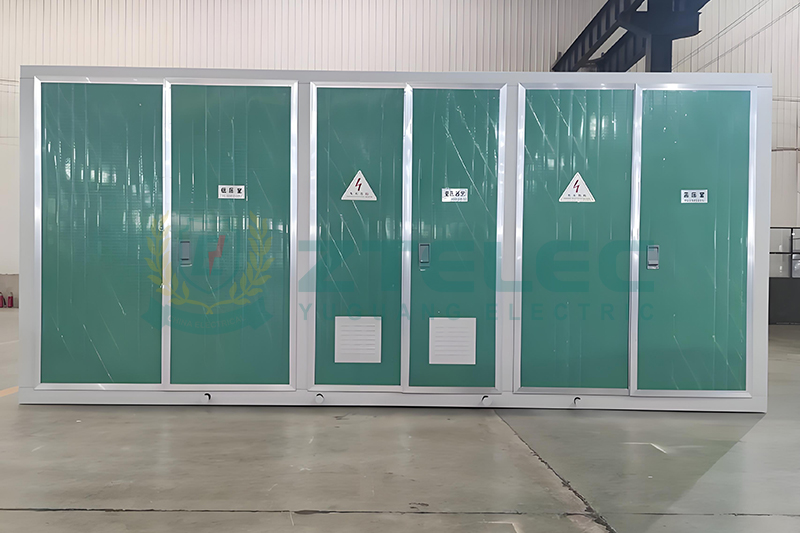
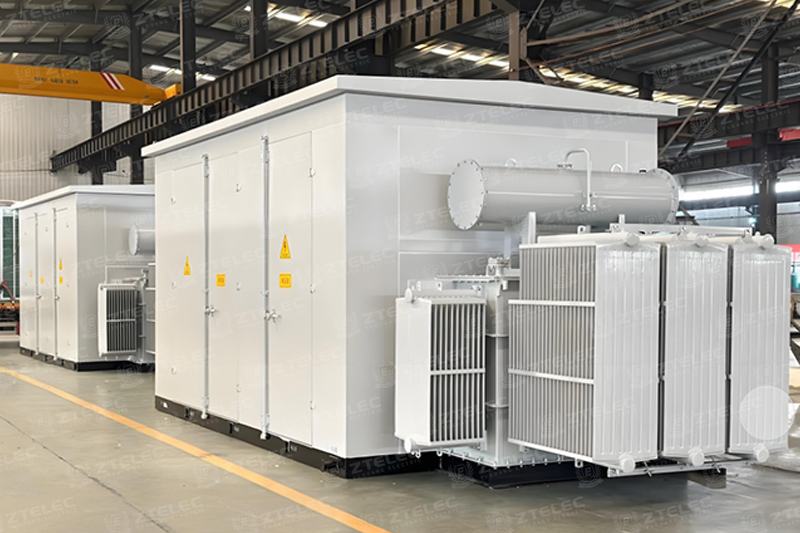
A 1000 kVA compact substation, also known as a prefabricated substation, package substation, or box type substation, is an integrated electrical system that combines medium-voltage switchgear, a distribution transformer, low-voltage switchgear, protection devices, and intelligent monitoring systems within a factory-built enclosure.
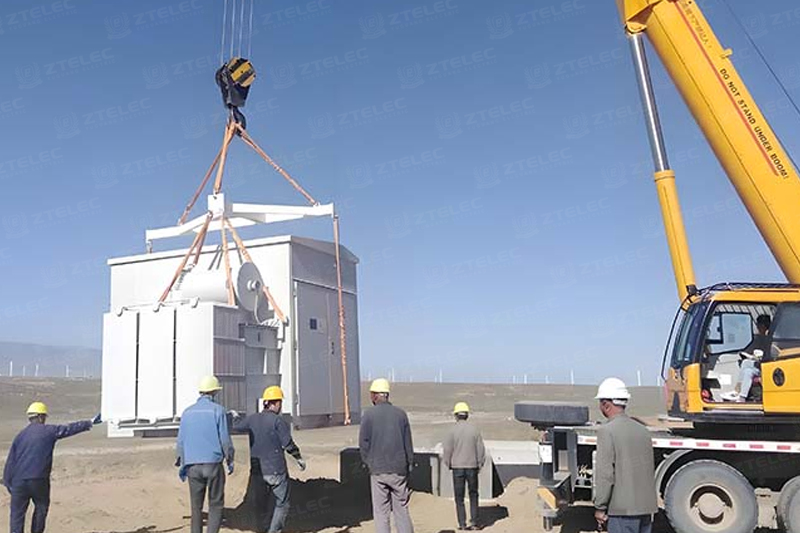
Unlike conventional substations requiring extensive civil construction, compact substations are manufactured, assembled, tested, and commissioned in the factory before shipment. Once delivered, only foundation installation and electrical connections are required, dramatically shortening project schedules.
A 1000 kVA unit is well suited for supplying power to a medium-sized IT module, multiple data center pods, or supporting infrastructure while allowing sufficient capacity for future expansion. As a result, it has become a standard configuration for many Tier II, Tier III, and Tier IV data centers.
The modular design significantly reduces installation space, typically requiring more than 50% less floor area than conventional substations, making it especially valuable for urban data centers where space is limited.
Factory assembly, testing, and commissioning minimize on-site installation work, allowing the entire substation to be operational within days rather than weeks or months.
The enclosure is typically designed with IP33, IP44, or higher ingress protection ratings, providing excellent resistance to dust, rain, corrosion, and harsh outdoor environments.
Modern compact substations support intelligent communication protocols such as SCADA, DCIM, Modbus, and IEC 61850, enabling seamless integration into data center infrastructure management platforms for remote monitoring, fault diagnostics, and predictive maintenance.
Unlike conventional industrial or commercial buildings, data centers operate continuously at relatively high load levels and require exceptional power reliability. Their electrical systems also contain a large proportion of nonlinear loads.
UPS systems, server power supplies, variable-speed cooling equipment, and liquid cooling systems generate significant harmonic currents. Therefore, transformers should provide enhanced harmonic tolerance through K-rated transformer designs or specially optimized winding configurations to minimize additional losses and temperature rise.
Transformer sizing should consider IT equipment, UPS systems, cooling infrastructure, lighting loads, and future expansion plans. Engineering best practice recommends maintaining continuous operating loads at approximately 70% to 80% of the transformer's rated capacity, ensuring adequate operating margins and scalability.
Short-circuit withstand capability is another essential consideration. Both transformers and medium-/low-voltage switchgear should be fully type-tested to withstand high fault currents while maintaining reliable system operation.
To improve Power Usage Effectiveness (PUE), data centers should prioritize high-efficiency transformers utilizing low-loss magnetic cores and optimized winding designs, thereby reducing energy consumption throughout the equipment's service life.
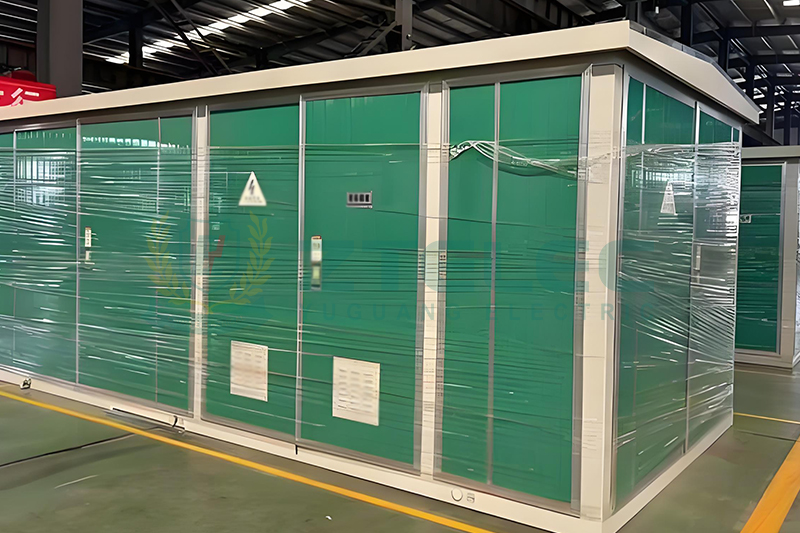
The N configuration consists of a single power supply path without backup equipment. It is generally suitable only for testing facilities, auxiliary systems, or applications with relatively low availability requirements.
N+1 redundancy adds one standby unit beyond the capacity required for normal operation. If any component requires maintenance or experiences a failure, the backup unit immediately assumes the load. This architecture is widely adopted in Tier II and many Tier III data centers.
A 2N configuration incorporates two completely independent power distribution systems, each capable of supplying 100% of the critical IT load independently. If one system fails, the other continues uninterrupted operation, making 2N the preferred architecture for Tier IV mission-critical data centers.
Financial institutions, cloud service providers, AI training facilities, and telecommunications core data centers frequently adopt 2N redundancy to eliminate single points of failure and maximize operational availability.
For hyperscale cloud campuses and national computing infrastructure, 2N+1 architecture provides an additional redundant substation beyond the dual independent systems, delivering the highest level of operational resilience and fault tolerance.
When selecting the appropriate redundancy level, designers should balance business continuity requirements, project budgets, available installation space, and future expansion plans.
Fire protection remains one of the most critical considerations in data center electrical infrastructure design and is a key requirement of international standards and industry best practices.
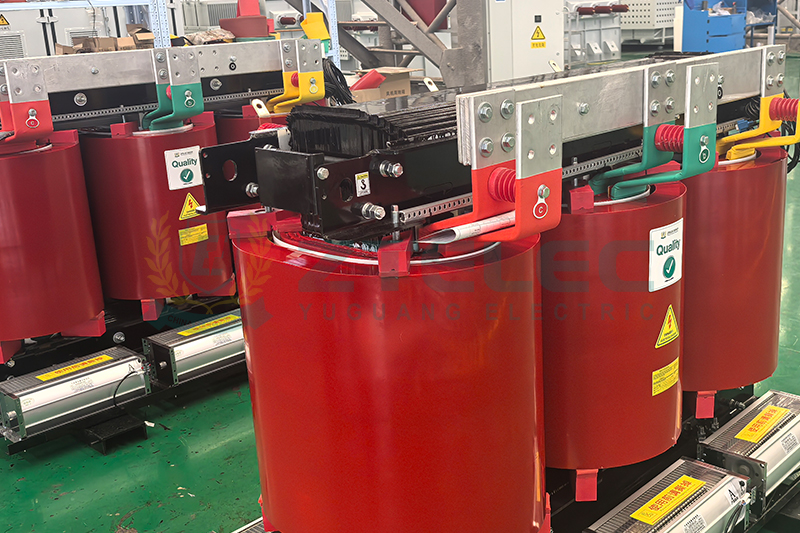
For indoor installations or substations located adjacent to IT equipment, cast resin dry type transformers are generally preferred. Since they contain no insulating oil, they eliminate risks associated with oil leakage, combustion, and environmental contamination.
Transformers should incorporate PT100 temperature sensors or fiber-optic temperature monitoring systems to continuously supervise winding and core temperatures. Intelligent controllers can automatically activate cooling fans, issue alarms, or initiate protective shutdowns when abnormal temperatures are detected.
Modern data centers commonly utilize clean-agent fire suppression systems such as FM-200 or Novec 1230. Compact substations should provide dedicated interfaces for fire alarm integration, emergency shutdown, and automatic fire suppression coordination.
Medium-voltage compartments, transformer chambers, and low-voltage switchgear sections should be separated by fire-resistant barriers that comply with applicable building codes and fire-resistance requirements.
Advanced smoke detection, arc flash detection, and online partial discharge monitoring technologies are increasingly incorporated into mission-critical data centers, enabling early fault detection and significantly reducing fire risks.
As digital infrastructure evolves, intelligent compact substations are becoming standard equipment in modern data centers. These systems continuously collect electrical parameters including voltage, current, power, temperature, partial discharge activity, circuit breaker status, and energy consumption, transmitting the information to centralized DCIM platforms.
Combined with artificial intelligence analytics, predictive maintenance algorithms can identify potential failures before they occur, minimizing unplanned downtime and significantly improving overall facility availability.
For data center developers, EPC contractors, consultants, and engineering firms, selecting an experienced manufacturer is just as important as choosing the appropriate technical specifications.
Buyers should verify compliance with IEC, IEEE, and local electrical standards while reviewing complete type test reports, short-circuit withstand tests, temperature rise tests, enclosure protection certifications, and factory quality assurance documentation.
In addition, manufacturers should demonstrate expertise in harmonic mitigation, intelligent monitoring, fire protection integration, redundant power architecture design, and customized modular solutions. Their global project experience, after-sales support capabilities, and spare parts availability should also be carefully evaluated to ensure long-term operational reliability.
As AI computing, cloud services, and digital transformation continue to drive exponential growth in data center capacity, electrical infrastructure must deliver greater reliability, operational safety, and energy efficiency than ever before. The 1000 kVA compact substation has become a key component of modern data center power distribution systems due to its modular design, integrated construction, rapid deployment, and intelligent management capabilities.
Through optimized load planning, properly designed N+1 or 2N redundancy architectures, comprehensive fire protection systems, and advanced intelligent monitoring technologies, a 1000 kVA compact substation provides reliable, uninterrupted power while reducing operational risks and lifecycle costs. Choosing a manufacturer with extensive data center experience, internationally recognized certifications, proven project references, and comprehensive after-sales support is essential for ensuring long-term operational stability and maximizing return on investment.

ZTELEC Yuguang Electric Technology, founded in 2014, builds on state-owned industrial expertise to deliver reliable power solutions worldwide.
Copyright © 2026.ztygelectric All rights reserved.