

As global investments in power infrastructure, renewable energy, grid modernization, and industrial facilities continue to grow, international demand for dry-type and oil-immersed transformers is expanding rapidly. However, every target market follows its own regulatory framework, technical standards, and certification requirements. For transformer manufacturers, OEM suppliers, EPC contractors, and international buyers, obtaining the correct certifications is often the deciding factor for successful bidding, customs clearance, installation approval, and long-term project operation.
CE, UL, GOST, and CSA are among the world's most recognized certification systems, covering Europe, North America, Russia, and CIS countries. Choosing the right certification strategy not only accelerates market entry but also strengthens customer confidence, reduces compliance risks, and enhances global competitiveness.
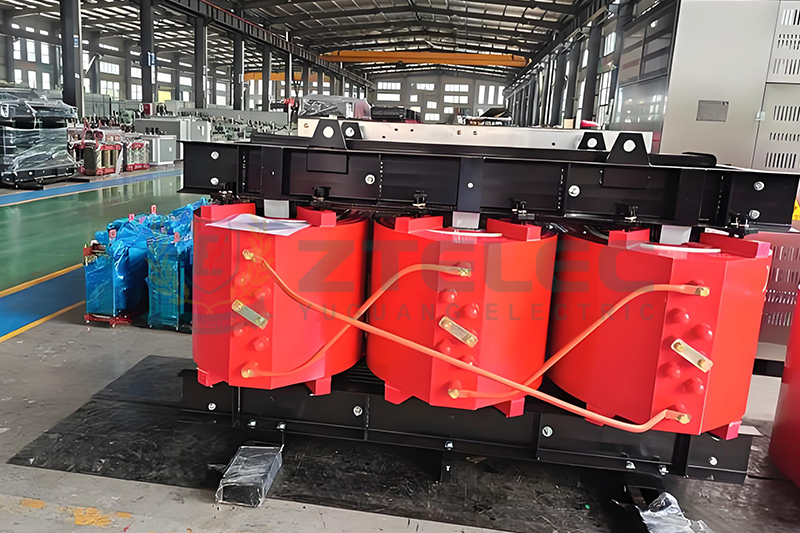
Transformers are critical components of electrical power systems, directly affecting grid reliability, operational safety, and equipment performance. As a result, governments, utilities, engineering companies, and industrial customers require transformers to comply with local safety regulations, technical standards, and environmental requirements.
International certifications demonstrate that a transformer has successfully passed rigorous safety and performance testing while confirming that the manufacturer maintains a reliable quality management system. For international tenders, certification documents are frequently mandatory qualification requirements. Without appropriate certifications, products may be rejected during bidding, delayed at customs, or fail final project acceptance.
In addition, international buyers increasingly view certifications as proof of manufacturing capability and product quality. Manufacturers with comprehensive certification portfolios are generally more competitive in securing long-term partnerships and high-value infrastructure projects.
The CE marking is the fundamental compliance requirement for electrical equipment entering the European Economic Area (EEA). For transformers, CE compliance typically involves the Low Voltage Directive (LVD), Electromagnetic Compatibility (EMC) requirements, and applicable environmental regulations.
For dry-type transformers, CE evaluations primarily focus on insulation performance, temperature rise, enclosure protection, fire resistance, and mechanical safety. Oil-immersed transformers must also address insulating liquid safety, leakage prevention, and environmental protection requirements.
Projects exported to Germany, France, Italy, Spain, the Netherlands, and other European countries generally require CE compliance before products can enter the market. Moreover, many countries in the Middle East, Africa, and parts of Asia reference European standards, making CE certification valuable well beyond Europe.
UL certification remains one of the most respected electrical safety certifications in the United States. It is widely recognized across data centers, commercial buildings, industrial facilities, renewable energy projects, and utility infrastructure.
Unlike CE, which emphasizes regulatory compliance, UL places greater emphasis on comprehensive product testing, including insulation systems, fire resistance, temperature rise, short-circuit withstand capability, and long-term operational safety.
For dry-type transformers, UL primarily evaluates insulation systems, fire-resistant materials, and enclosure construction. Oil-immersed transformers receive additional testing for insulating fluids, tank integrity, protective devices, and overload performance.
Many U.S. utilities, engineering firms, and end users specifically require UL-certified transformers, making early certification planning essential for manufacturers targeting the American market.
CSA certification is the primary product safety certification recognized throughout Canada and is widely accepted in utility, industrial, commercial, and infrastructure projects.
Although CSA and UL share many testing principles, numerous Canadian projects explicitly require CSA certification instead of relying solely on UL approval.
Manufacturers planning to serve both the United States and Canada often pursue dual UL and CSA certifications to maximize market access, reduce duplicate testing, and improve bidding competitiveness.
Many international testing laboratories now offer combined certification programs that allow manufacturers to satisfy multiple certification requirements through a coordinated testing process, reducing both costs and certification lead time.
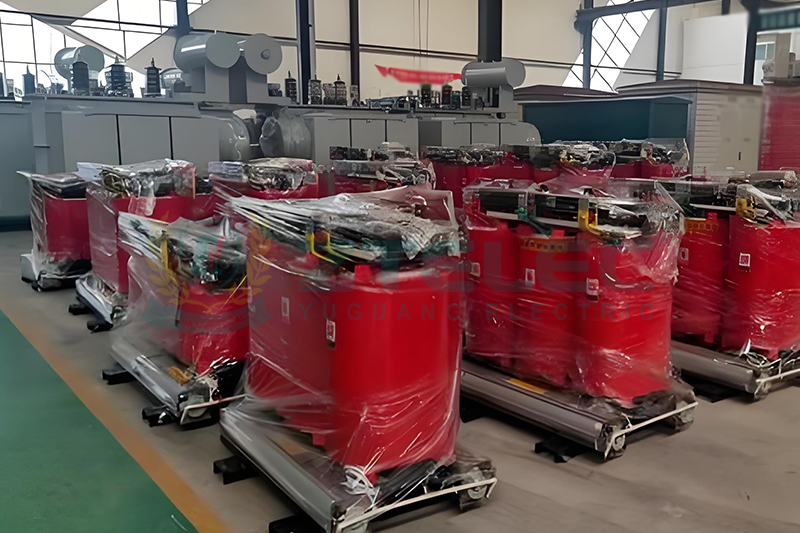
GOST certification has long served as the primary conformity assessment system for industrial and electrical equipment in Russia and many CIS countries.
Because of the region's challenging climate, GOST standards place particular emphasis on low-temperature performance. Transformers must demonstrate reliable insulation performance, mechanical strength, and insulating oil stability under severe winter conditions.
For projects exported to Russia, Kazakhstan, Belarus, and other Central Asian markets, GOST certification is often a mandatory requirement for government tenders, utility projects, and customs clearance.
Although both dry-type and oil-immersed transformers perform the same electrical function, their structural differences result in different certification priorities.
Dry-type transformers are typically evaluated for insulation thermal class, flame resistance, enclosure protection, partial discharge performance, and temperature rise characteristics. These features make them well suited for hospitals, airports, metro systems, data centers, and commercial buildings.
Oil-immersed transformers receive additional evaluation of insulating oil quality, tank sealing performance, leakage prevention, cooling capability, temperature rise, and environmental protection. Consequently, they are widely used in utility substations, industrial facilities, mining operations, photovoltaic plants, and wind farms.
Manufacturers should develop certification plans based on transformer design, target markets, and intended applications to prevent unnecessary certification delays.
Many international certification programs are based on IEC standards, particularly the IEC 60076 series, which serves as the global foundation for transformer design, manufacturing, testing, and acceptance.
However, compliance with IEC standards alone does not automatically qualify a transformer for CE, UL, CSA, or GOST certification. Each certification body may impose additional testing, documentation reviews, factory inspections, and regulatory requirements specific to its market.
Manufacturers should therefore consider both international technical standards and local regulatory requirements when developing products for export.
Manufacturers serving multiple international markets should incorporate certification planning during product development rather than waiting until purchase orders are received.
A standardized transformer platform designed to satisfy IEC, CE, UL, CSA, and GOST requirements can reduce product variations, improve component standardization, shorten certification cycles, and lower long-term production costs.
Working with internationally accredited testing organizations also enables manufacturers to optimize testing schedules, reduce certification lead times, and accelerate global market entry.
Companies should continuously monitor regulatory updates, including European environmental legislation, North American electrical codes, and evolving Russian and CIS technical standards, ensuring continued compliance throughout the product lifecycle.
CE, UL, CSA, and GOST certifications represent the primary market access requirements for Europe, the United States, Canada, Russia, and many neighboring countries. Each certification system emphasizes different technical and safety requirements for dry-type and oil-immersed transformers. By integrating certification planning into product design and manufacturing from the earliest development stage, transformer manufacturers can improve international market access, strengthen brand credibility, reduce compliance risks, and deliver safe, reliable, and globally compliant transformer solutions for power, industrial, renewable energy, and infrastructure projects worldwide.

ZTELEC Yuguang Electric Technology, founded in 2014, builds on state-owned industrial expertise to deliver reliable power solutions worldwide.
Copyright © 2026.ztygelectric All rights reserved.