

Oil immersed transformers are among the most critical assets in modern power transmission and distribution systems. They perform voltage transformation, energy transfer, and reliable power delivery for industrial facilities, utilities, commercial buildings, renewable energy plants, and data centers. As transformers operate continuously under electrical, thermal, mechanical, and environmental stress, their long-term reliability directly affects the safety and stability of the entire power network.
Over time, equipment may develop insulation aging, winding deformation, partial discharge, cooling system failures, or on-load tap changer (OLTC) problems. If these issues are not detected and corrected promptly, they can lead to unexpected outages, costly equipment damage, fires, or even catastrophic transformer failures.
Modern condition-based maintenance relies on advanced diagnostic technologies such as Dissolved Gas Analysis (DGA), Frequency Response Analysis (FRA), partial discharge testing, infrared thermography, and online monitoring systems. These methods enable engineers to identify hidden defects at an early stage, improve transformer reliability, and significantly reduce maintenance costs.
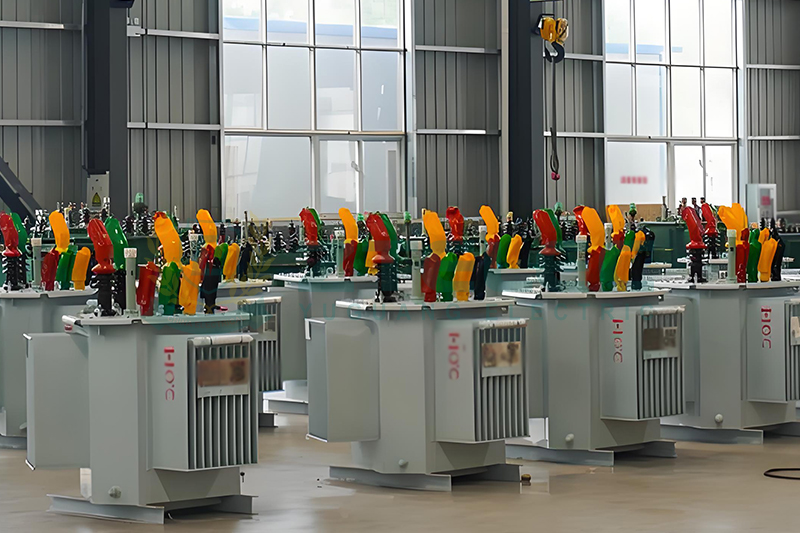
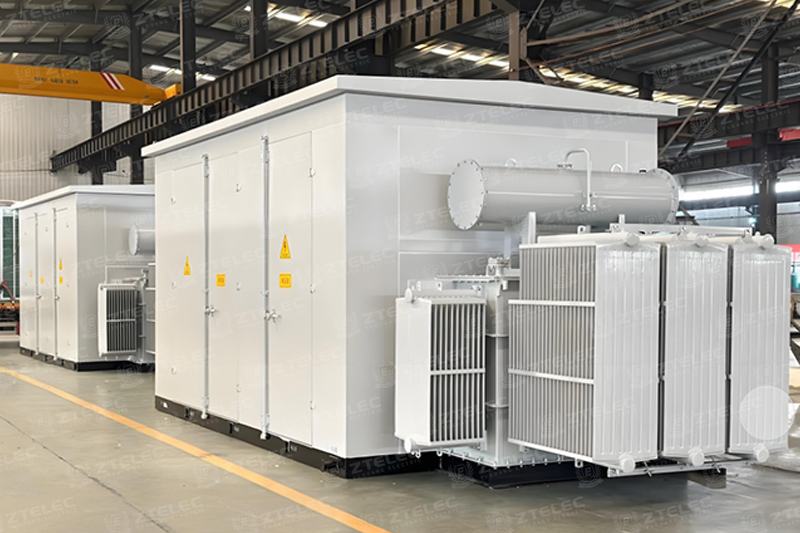
A typical oil immersed transformer consists of the magnetic core, windings, insulating oil, transformer tank, radiators, on-load or off-load tap changer, bushings, protection devices, and cooling system.
Because these components are subjected to different types of mechanical, thermal, and electrical stress, transformer failures generally fall into several categories, including insulation failures, mechanical failures, thermal faults, oil system problems, and accessory failures. Among these, insulation deterioration has the greatest impact on transformer service life, while OLTCs, bushings, and cooling systems represent the most common operational failure points.
Insulation failures typically appear as reduced insulation resistance, increased dielectric loss, failed withstand voltage tests, elevated partial discharge activity, and in severe cases, inter-turn short circuits or winding breakdown.
The primary causes include insulation paper aging, moisture contamination, lightning strikes, switching overvoltages, and manufacturing defects.
Diagnosis normally combines insulation resistance measurements, dielectric dissipation factor (tan δ) testing, and Dissolved Gas Analysis (DGA). A rapid increase in acetylene (C₂H₂) and hydrogen (H₂) usually indicates internal arcing or serious insulation defects.
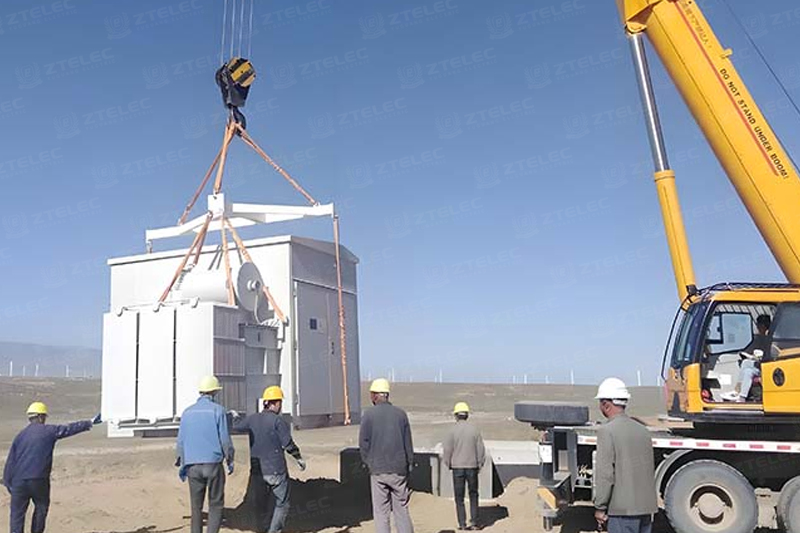
Mechanical deformation often occurs after short-circuit events that generate extremely high electromagnetic forces. Transportation damage or improper lifting may also cause winding displacement.
Typical symptoms include increased no-load current, abnormal vibration, unusual operating noise, changes in short-circuit impedance, and deviations in frequency response characteristics.
Frequency Response Analysis (FRA) is internationally recognized as the most effective method for detecting winding deformation by comparing field measurements with factory reference signatures.
Transformer cores are designed to have only one intentional grounding point. If insulation failure creates additional grounding paths, circulating currents develop and produce localized overheating.
These faults are commonly accompanied by increased core grounding current and elevated concentrations of hydrogen and methane in DGA reports.
Continuous core grounding current monitoring enables maintenance teams to identify abnormalities before severe damage occurs.
The on-load tap changer is one of the most frequently operated mechanical components in a transformer and is also among the highest-maintenance devices.
Over years of operation, electrical arcing erodes switching contacts, while inadequate lubrication and mechanical wear can cause switching failures, voltage instability, and overheating.
Routine maintenance should include switching time measurements, contact resistance testing, and separate oil analysis of the tap changer compartment.
High-voltage bushings provide insulated electrical connections between internal windings and external circuits. Their condition is critical to transformer safety.
Aging seals, moisture ingress, surface contamination, and poor grounding of the test tap may result in partial discharge, flashover, or catastrophic bushing failure.
Capacitance testing, dielectric loss measurements, and infrared thermal imaging are effective methods for identifying deteriorating bushings before failure.
The cooling system maintains acceptable winding and oil temperatures throughout transformer operation.
Cooling fan failures, oil pump malfunctions, faulty temperature controllers, and blocked radiators can all cause excessive oil temperatures and accelerate insulation aging.
Maintenance personnel should regularly inspect cooling fan operation, oil pump current, temperature controller settings, radiator cleanliness, and overall cooling performance using infrared thermography.
Dissolved Gas Analysis (DGA) remains the industry's most effective technique for detecting incipient transformer faults. By evaluating hydrogen, methane, ethane, ethylene, acetylene, carbon monoxide, and carbon dioxide concentrations, engineers can distinguish between thermal faults, partial discharge, and electrical arcing.
Insulation resistance, polarization index, dielectric loss, and absorption ratio tests provide comprehensive information regarding insulation condition.
Frequency Response Analysis (FRA) is primarily used for identifying winding deformation, while Ultra High Frequency (UHF) partial discharge detection, ultrasonic testing, and online partial discharge monitoring provide early warning of insulation defects.
Infrared thermography allows maintenance personnel to identify overheating bushings, busbar joints, tap changers, and cooling equipment without interrupting normal operation.
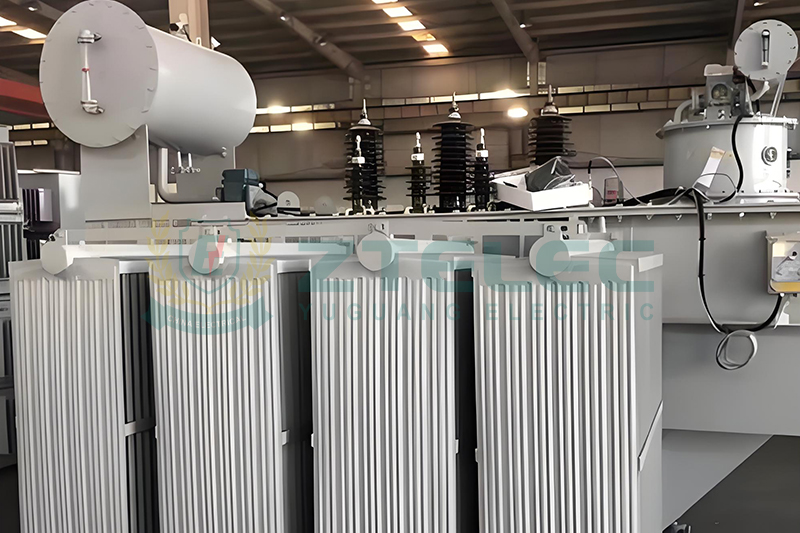
Once a fault has been confirmed, a detailed repair plan should be developed based on diagnostic data while ensuring proper shutdown procedures, electrical isolation, and workplace safety.
For internal faults such as winding deformation or multiple core grounding, internal inspection should be performed after removing the transformer cover. Windings, core clamping structures, insulation components, and grounding connections should all be thoroughly inspected and repaired or replaced as necessary.
OLTC maintenance typically involves replacing worn contacts, cleaning switching mechanisms, renewing insulating oil, and adjusting the mechanical drive system.
Bushing repairs focus on replacing aging seals, inspecting conductive rods, verifying grounding connections, and replacing bushings when insulation deterioration becomes severe.
Cooling system repairs generally include replacing cooling fans, motors, oil pumps, temperature controllers, and cleaning radiators and oil passages to restore proper heat dissipation.
Transformer oil serves as both the primary insulation medium and cooling medium.
When moisture content, acidity, or dielectric properties exceed acceptable limits, vacuum oil purification should be performed to remove water, gases, and contaminants.
If the insulating oil has severely deteriorated, complete oil replacement followed by vacuum oil filling is recommended to eliminate trapped air and restore insulation performance.
Following repairs, comprehensive electrical testing should be performed in accordance with IEC 60076 and applicable industry standards. Typical tests include winding resistance measurements, turns ratio testing, insulation resistance testing, AC withstand voltage testing, short-circuit impedance measurements, and partial discharge testing.
All test results should be compared with factory records and historical maintenance data before the transformer is returned to service.
Transformers should be closely monitored after returning to operation.
It is recommended to repeat Dissolved Gas Analysis after one week, one month, and three months while continuously monitoring winding temperature, top oil temperature, partial discharge activity, transformer loading, and cooling system performance to verify long-term repair effectiveness.
Modern utilities increasingly deploy intelligent online monitoring systems that continuously collect DGA data, partial discharge activity, winding temperature, oil level, electrical load, current, and environmental conditions to support condition-based maintenance strategies.
Well-planned preventive maintenance programs should include periodic insulation testing, infrared thermal inspections, bushing diagnostics, protective relay verification, and transformer oil analysis to minimize unexpected failures.
Routine inspections should also focus on oil level, unusual noise, oil leakage, abnormal temperature rise, and operating environment while maintaining complete maintenance records throughout the transformer's service life.
Oil immersed transformer fault diagnosis is a multidisciplinary engineering process that combines electrical engineering, mechanical engineering, insulation science, and intelligent monitoring technologies. By integrating Dissolved Gas Analysis (DGA), Frequency Response Analysis (FRA), partial discharge detection, infrared thermography, and continuous online monitoring with standardized repair procedures and predictive maintenance strategies, utilities and industrial operators can significantly improve transformer reliability, extend equipment service life, reduce maintenance costs, minimize unplanned outages, and ensure safe, stable, and efficient power system operation.

ZTELEC Yuguang Electric Technology, founded in 2014, builds on state-owned industrial expertise to deliver reliable power solutions worldwide.
Copyright © 2026.ztygelectric All rights reserved.