

The Middle East has become one of the world's fastest-growing markets for power distribution equipment, driven by rapid urbanization, large-scale infrastructure investment, renewable energy development, digital transformation, and continuous expansion of the oil and gas industry. Countries such as Saudi Arabia, the United Arab Emirates, Qatar, Kuwait and Oman continue to invest heavily in commercial buildings, airports, hospitals, metro systems, industrial facilities and hyperscale data centers, creating strong demand for reliable medium-voltage power distribution solutions.
Among these solutions, 11kV dry-type transformers have gained widespread adoption because of their excellent fire safety, environmentally friendly design, low maintenance requirements and oil-free construction. However, unlike many other international markets, the Middle East presents unique environmental challenges. High ambient temperatures, coastal humidity, salt spray, airborne dust and intense ultraviolet radiation place much greater demands on transformer design, insulation systems and enclosure protection.
Selecting a transformer that simply meets standard specifications is often insufficient for projects operating under these harsh conditions. Project owners, EPC contractors and consulting engineers should carefully evaluate international standards, climate classifications, environmental performance and supplier capabilities before procurement.
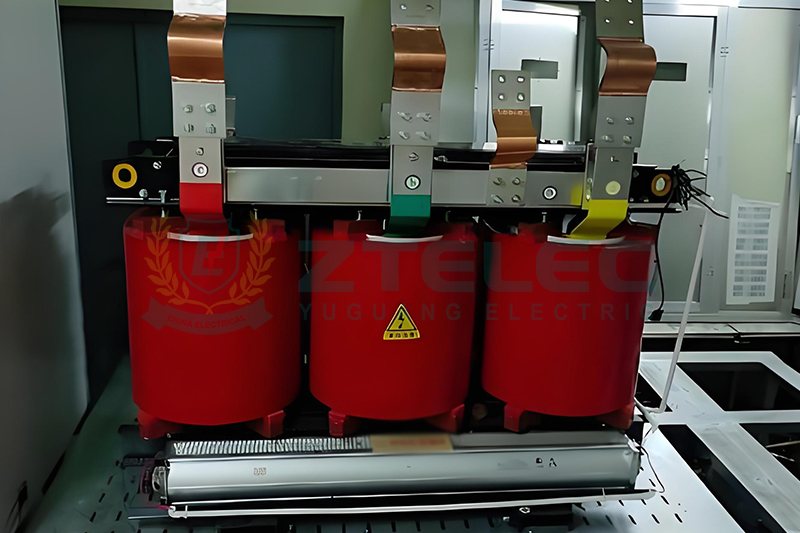
Most Middle Eastern countries specify transformers according to the IEC standard system. IEC 60076-11 serves as the primary international standard governing dry-type transformers and defines requirements covering temperature rise, insulation performance, dielectric testing, climate classification, environmental classification and fire behavior.
For complete power distribution systems, transformers are typically integrated with medium-voltage switchgear, low-voltage switchboards and protection systems designed according to other relevant IEC standards, ensuring compatibility throughout the electrical installation.
Using equipment manufactured according to internationally recognized standards simplifies project approval, improves long-term reliability and facilitates maintenance throughout the transformer's service life.
In addition to IEC compliance, several Middle Eastern countries require products to satisfy local certification and conformity assessment procedures before importation and commissioning.
Depending on the destination country, transformers may require certifications issued by organizations such as SASO in Saudi Arabia, ESMA conformity requirements in the United Arab Emirates, or QCC approvals in Qatar. These certification processes often extend beyond product testing and include quality management systems, factory audits, documentation review and local registration requirements.
Before issuing purchase orders, buyers should confirm all applicable national certification requirements with both the supplier and local authorities to avoid customs clearance delays or project acceptance issues.
Large utility companies throughout the Middle East frequently publish their own technical specifications in addition to IEC standards. Organizations including the Saudi Electricity Company (SEC), Dubai Electricity and Water Authority (DEWA) and Abu Dhabi Distribution Company (ADDC) often establish detailed requirements covering transformer construction, enclosure finish, nameplate information, testing procedures, inspection protocols and project documentation.
Manufacturers with previous experience supplying these utilities generally understand local approval procedures and are better positioned to deliver fully compliant products within project schedules.
Summer temperatures across much of the Middle East frequently exceed 45°C, while equipment installed outdoors may experience even higher operating temperatures due to direct solar radiation.
IEC 60076-11 defines Climate Classes C1 and C2 for dry-type transformers. For Middle Eastern applications, transformers designed to Climate Class C2 are generally recommended because they demonstrate superior resistance to severe environmental conditions and temperature cycling.
When evaluating suppliers, purchasers should request thermal design calculations based on maximum ambient temperatures of 50°C or even 55°C where required by project specifications. Adequate thermal margins help maintain insulation life and ensure stable operation under continuous heavy loading.
Many coastal cities in the Middle East experience high humidity together with salt-laden air, while inland desert regions are exposed to frequent sandstorms and airborne dust.
Environmental Class E2 specified in IEC 60076-11 is particularly suitable for these demanding operating conditions. Transformers meeting E2 requirements are designed to withstand condensation, moisture exposure and contaminated environments without significant deterioration of insulation performance.
Manufacturers commonly improve environmental performance through enhanced resin encapsulation, anti-condensation treatments, corrosion-resistant materials and optimized ventilation systems. Depending on installation conditions, enclosure protection ratings such as IP31 or IP54 may also be recommended to reduce dust ingress while maintaining sufficient cooling airflow.
Fire safety is a major consideration for data centers, airports, hospitals, metro stations, commercial complexes and public buildings throughout the Middle East.
Transformers certified to Fire Class F1 demonstrate self-extinguishing characteristics, limited smoke generation and minimal production of toxic gases during fire exposure. These properties significantly improve occupant safety while helping projects comply with increasingly stringent fire protection regulations.
Project owners should request accredited third-party fire test reports confirming compliance with F1 requirements before equipment approval.
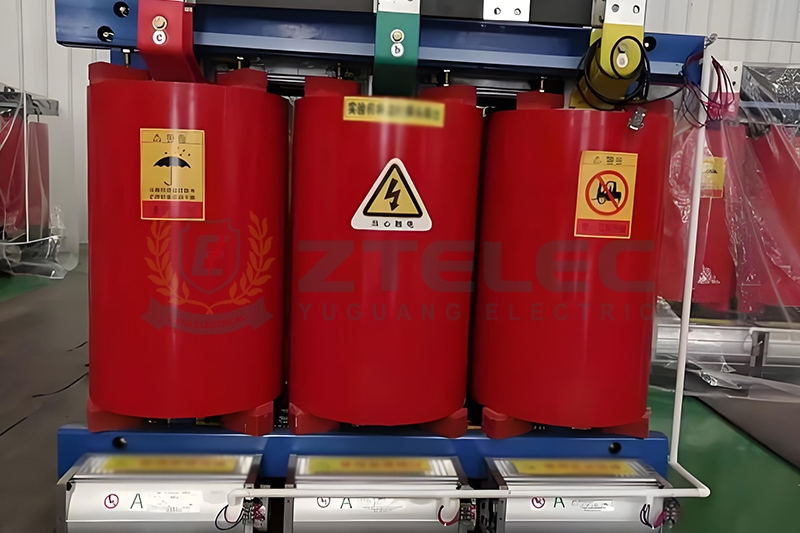
Although high temperature remains the primary environmental challenge, other regional factors should not be overlooked. Coastal installations require enhanced corrosion protection against salt spray, while outdoor transformers must withstand prolonged ultraviolet exposure without coating degradation.
Hot-dip galvanized steel structures, high-performance powder coatings and marine-grade anti-corrosion systems substantially improve equipment durability in aggressive environments.
Projects located in regions with seismic activity may also require transformers designed and tested to applicable seismic standards, ensuring structural integrity during earthquake events.
Choosing the right supplier is equally as important as selecting the appropriate transformer design. Manufacturers with successful project experience in Saudi Arabia, the UAE, Qatar and other Middle Eastern countries typically possess a deeper understanding of local technical specifications, certification procedures and documentation requirements.
This experience often reduces project risks while improving communication during engineering, manufacturing, inspection and commissioning.
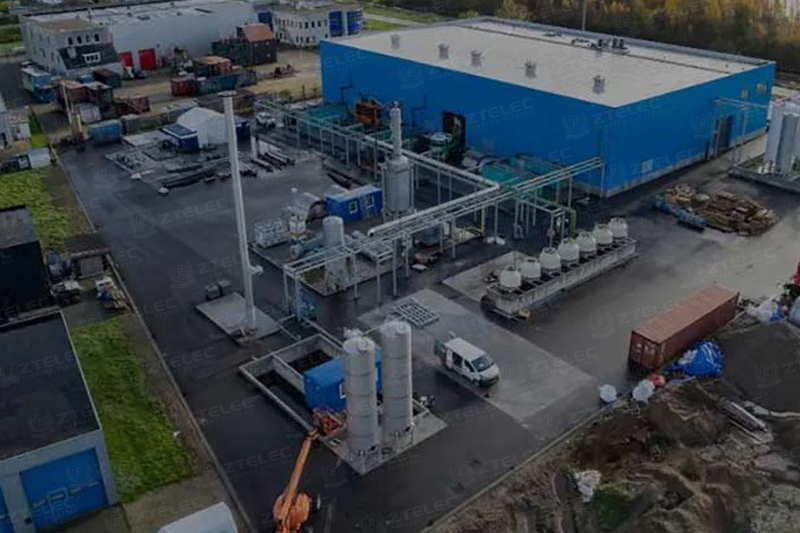
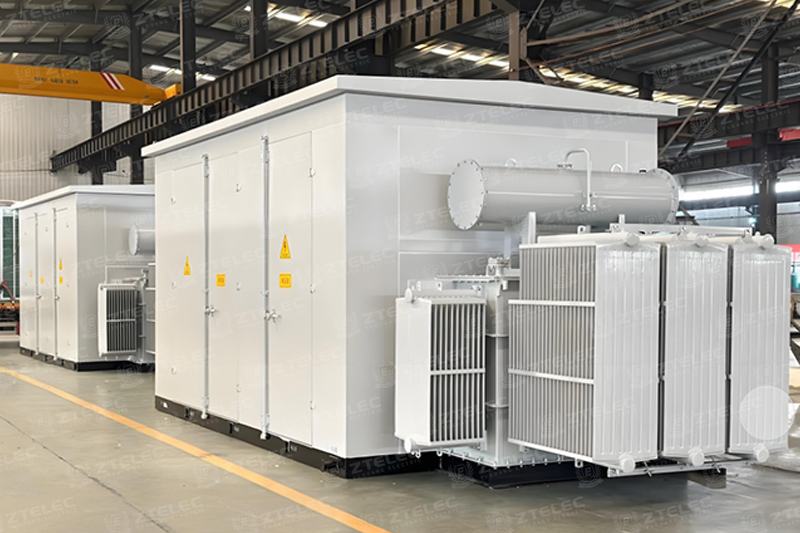
Before placing an order, buyers should carefully review the manufacturer's production facilities and quality assurance systems.
Comprehensive type test reports should be available for products of similar ratings, covering temperature rise, dielectric performance, lightning impulse withstand, partial discharge, enclosure protection, fire performance and other relevant tests required by IEC standards.
For major infrastructure projects, Factory Acceptance Testing (FAT) witnessed by the customer or an independent inspection agency provides additional confidence that the delivered transformer matches the approved technical specifications.
Many projects are located in remote industrial zones, desert developments or offshore facilities where equipment downtime can result in substantial financial losses.
Suppliers should demonstrate their ability to provide regional technical support, spare parts availability, commissioning assistance and rapid response services. Service commitments should be clearly documented within the purchase contract, including spare parts delivery times and on-site support response requirements.
Successful project execution depends not only on manufacturing quality but also on logistics and documentation. Suppliers familiar with Middle Eastern import procedures can assist with customs documentation, local certification requirements and bilingual product documentation in both English and Arabic.
Strong localization capabilities help reduce administrative delays and improve overall project execution efficiency.
Selecting an 11kV dry-type transformer for the Middle East requires far more than choosing a standard catalog product. Engineers and procurement teams must evaluate IEC 60076-11 compliance together with Climate Class, Environmental Class and Fire Class requirements while considering local utility specifications, national certification programs and challenging environmental conditions.
Equally important is selecting an experienced manufacturer capable of providing proven engineering expertise, comprehensive testing, regional project references and dependable after-sales support. By preparing detailed technical specifications, conducting thorough supplier evaluations and performing factory inspections before shipment, project owners can significantly improve equipment reliability, reduce operational risks and ensure long-term performance under the demanding climatic conditions of the Middle East.

ZTELEC Yuguang Electric Technology, founded in 2014, builds on state-owned industrial expertise to deliver reliable power solutions worldwide.
Copyright © 2026.ztygelectric All rights reserved.