

South America continues to invest heavily in power infrastructure, mining, renewable energy, manufacturing, commercial developments, and digital infrastructure. Countries such as Brazil, Chile, Peru, Colombia, Argentina, Ecuador, and Bolivia are expanding electricity networks to support economic growth and improve grid reliability.
As project schedules become increasingly demanding, the 1000 kVA Compact Substation, also known as a Package Substation or Unitized Substation, has become one of the preferred power distribution solutions across the region. Its integrated design, factory testing, rapid installation, and reduced civil engineering requirements make it particularly suitable for remote locations, mining operations, industrial facilities, commercial buildings, photovoltaic plants, wind farms, and data centers.
However, successful deployment requires more than selecting the correct transformer capacity. Manufacturers must ensure compliance with ANSI, IEC, and country-specific utility standards while adapting equipment to South America's diverse climates, high-altitude regions, coastal environments, and varying grid configurations.
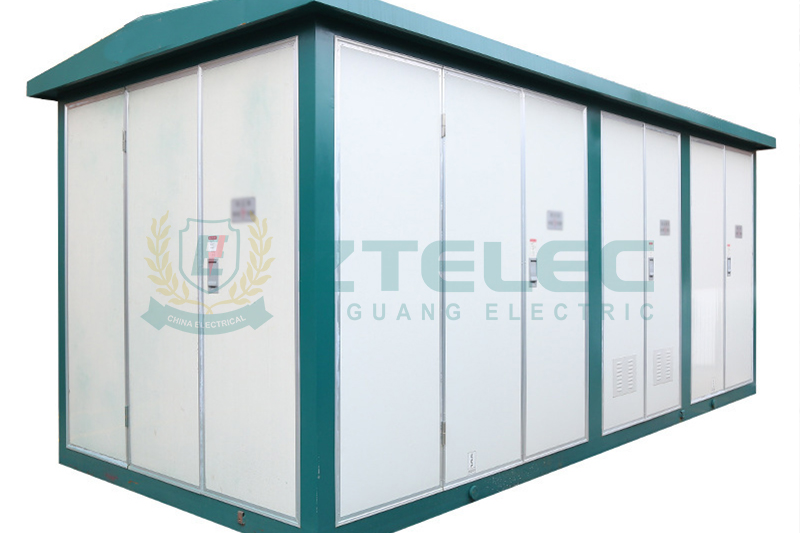
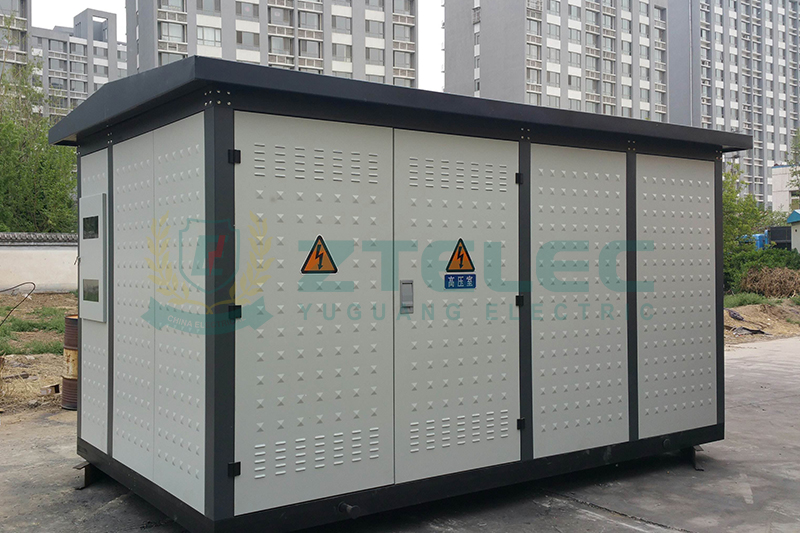
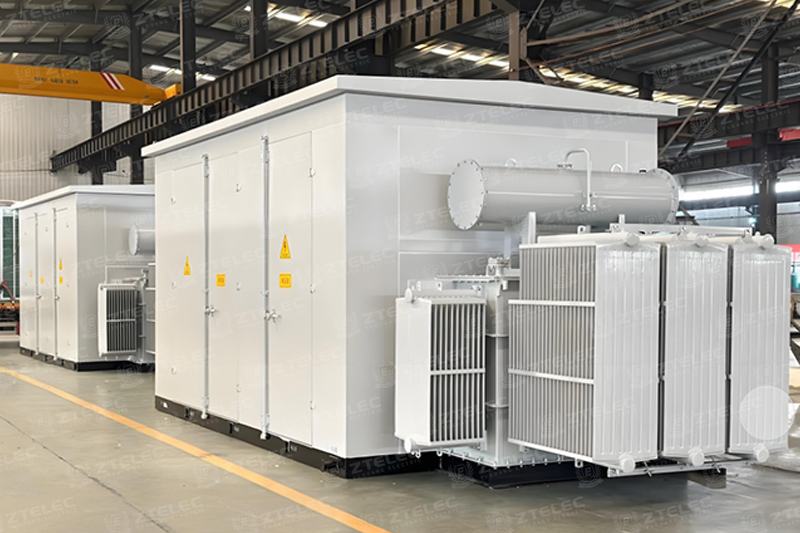
Traditional substations require extensive civil construction, lengthy installation periods, and significant on-site engineering. In contrast, compact substations integrate the medium-voltage switchgear, distribution transformer, low-voltage switchboard, protection system, and auxiliary equipment into a single factory-assembled enclosure.
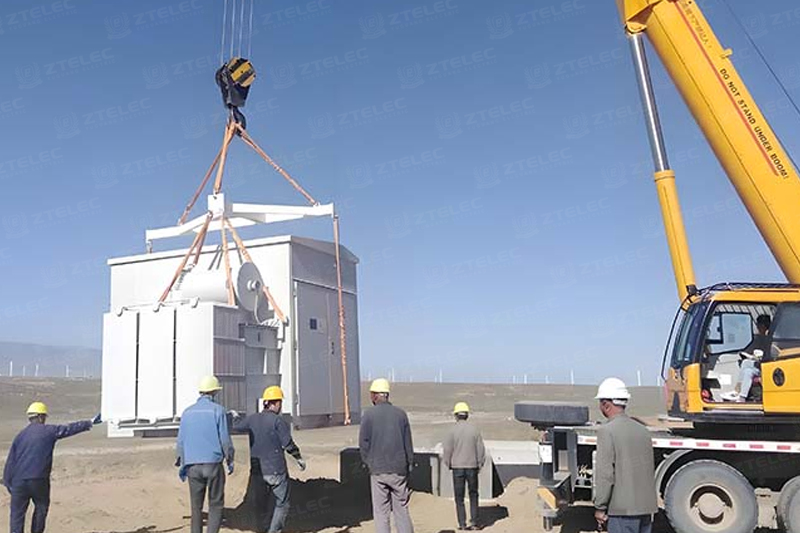
This modular approach significantly shortens project schedules because most electrical assembly, wiring, testing, and commissioning are completed before shipment. On-site work is generally limited to foundation preparation, cable connections, and final commissioning, reducing installation time by more than 50% compared with conventional substations.
The compact footprint is especially valuable for mining sites, industrial plants, commercial developments, urban infrastructure, and renewable energy projects where land availability is limited or rapid deployment is essential.
Modern compact substations are also designed with high environmental protection ratings, typically ranging from IP33 to IP54 or higher, providing reliable operation in tropical rainforests, coastal regions with salt spray, dusty mining environments, and humid industrial locations.
Containerized and modular designs simplify transportation across South America's challenging geography, including mountainous terrain, remote mining districts, and regions with limited transportation infrastructure.
Unlike many global markets that primarily follow a single technical standard, South America uses both IEC and ANSI/IEEE standards depending on the country, industry, utility company, and project owner.
Manufacturers serving the region must therefore be capable of designing compact substations that comply with multiple international standards while meeting local utility specifications.
IEC standards are widely adopted throughout South America, particularly for utility, renewable energy, industrial, and infrastructure projects.
IEC 60076 specifies the design, testing, insulation performance, temperature rise limits, efficiency, and short-circuit withstand capability of power transformers.
IEC 62271 governs medium-voltage switchgear, switchgear assemblies, and protection equipment used inside compact substations.
IEC 61439 establishes design and type-testing requirements for low-voltage switchgear and controlgear assemblies, ensuring operational safety and reliability.
Many industries and utilities in Brazil, Colombia, Ecuador, and other South American countries also specify ANSI or IEEE standards, particularly for projects involving multinational engineering companies or North American design specifications.
ANSI C57 covers transformer performance requirements, including insulation coordination, impedance, temperature rise, efficiency, and testing methods.
IEEE C37 provides technical requirements for medium-voltage switchgear, circuit breakers, protection systems, and electrical safety.
A qualified manufacturer should be able to supply engineering documentation, routine test reports, and type test reports that demonstrate compliance with both IEC and ANSI requirements when requested.
In addition to international standards, several South American countries maintain national regulations or utility approval systems that must be considered before equipment procurement.
Brazil may require compliance with ABNT NBR standards alongside utility requirements established by local electricity companies.
Chile has specific certification and utility approval procedures for electrical equipment connected to the national power grid.
Other countries may require additional documentation covering protection coordination, environmental compliance, seismic performance, or utility acceptance testing.
Early communication between project owners, engineering consultants, and manufacturers is essential to ensure all technical requirements are incorporated during the design phase.
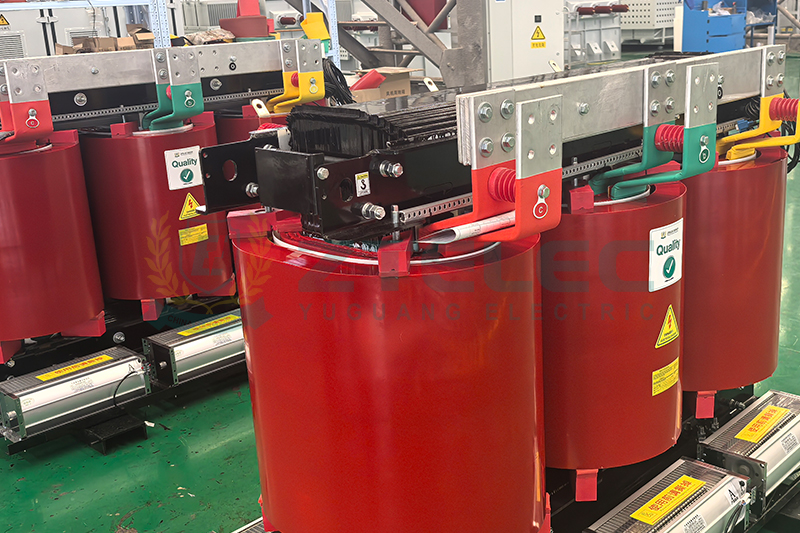
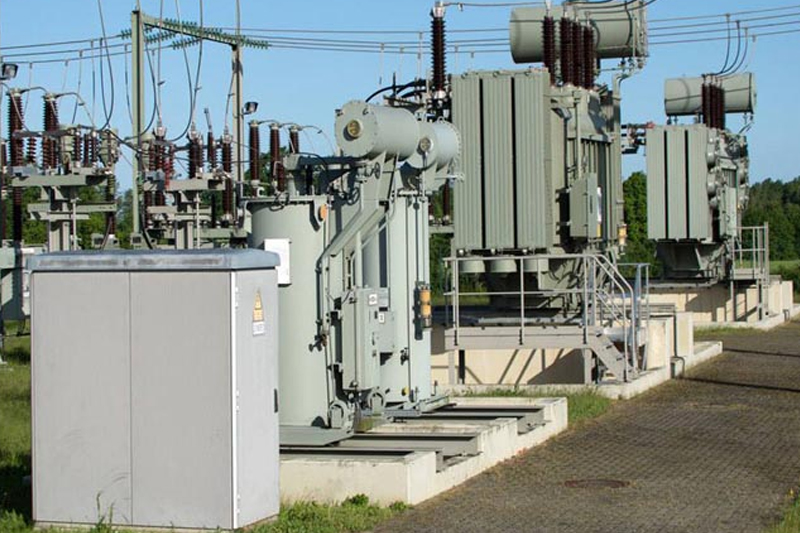
The transformer is the heart of every compact substation. A 1000 kVA transformer can be supplied as either an oil-immersed transformer or a dry-type transformer depending on the project environment.
Oil-immersed transformers remain the preferred solution for mining, industrial plants, renewable energy facilities, and outdoor installations because of their excellent cooling performance, high overload capability, and long operating life.
Dry-type transformers are often selected for commercial buildings, hospitals, airports, data centers, and indoor applications where fire safety and minimal maintenance are priorities.
Medium-voltage switchgear should be configured according to local distribution voltages, commonly including 13.2 kV, 13.8 kV, 15 kV, 24 kV, and 34.5 kV systems. Protection schemes may incorporate load break switches, vacuum circuit breakers, fused switch combinations, and intelligent protection relays depending on utility requirements.
The low-voltage compartment is typically designed for 380 V or 400 V three-phase systems and may include molded case circuit breakers, power quality monitoring, energy metering, capacitor banks, and intelligent distribution management systems.
South America's environmental conditions vary significantly, requiring customized engineering solutions.
Coastal installations require corrosion-resistant enclosures manufactured from galvanized steel or stainless steel with high-performance powder coating systems capable of resisting salt spray and humidity.
Projects located in the Andes Mountains often exceed elevations of 3,000 meters above sea level. High-altitude operation requires corrections to insulation coordination, cooling performance, dielectric clearance, and transformer thermal design in accordance with IEC and ANSI recommendations.
Tropical climates demand enhanced moisture protection through anti-condensation heaters, ventilation systems, weatherproof sealing, and effective enclosure drainage.
Mining operations also require reinforced enclosure construction capable of withstanding dust, vibration, temperature fluctuations, and harsh operating conditions.
Before manufacturing begins, buyers should verify voltage levels, system frequency, grounding arrangements, and utility interconnection requirements.
Most South American countries operate at 60 Hz, although voltage configurations vary between regions and utility companies. Confirming the exact primary voltage and secondary distribution voltage is critical to avoid costly project delays.
Grounding systems also differ depending on utility practices, with solid grounding, resistance grounding, and other neutral earthing methods requiring different protection strategies.
Many utilities require equipment approval before grid connection. Working with manufacturers experienced in international utility projects can significantly simplify the approval process.
Successful procurement begins with a clearly defined technical specification that identifies all applicable standards, environmental conditions, utility requirements, and project-specific performance expectations.
Buyers should request certified routine test reports, type test reports, factory acceptance testing documentation, and complete engineering drawings before shipment.
Verification of ISO quality management certification, international testing records, and previous export references provides additional confidence in supplier capability.
Factory audits and third-party inspections are strongly recommended for large infrastructure projects to verify manufacturing quality, production schedules, and contractual compliance before delivery.
Because overseas logistics can require several weeks, procurement planning should include manufacturing lead time, ocean freight, customs clearance, inland transportation, and final installation schedules to ensure timely project completion.
The 1000 kVA compact substation has become an ideal power distribution solution for South America's rapidly expanding industrial, mining, renewable energy, commercial, and infrastructure sectors. Its modular design, factory-tested reliability, compact footprint, and fast installation provide significant advantages over conventional substations.
To achieve long-term operational reliability, buyers should select manufacturers capable of delivering solutions that comply with both IEC and ANSI standards while meeting local utility regulations and adapting equipment to the region's diverse environmental conditions.
By carefully evaluating engineering capabilities, certification credentials, production quality, environmental adaptation, and after-sales support, project owners can secure a compact substation solution that delivers safe, efficient, and dependable performance throughout its service life.

ZTELEC Yuguang Electric Technology, founded in 2014, builds on state-owned industrial expertise to deliver reliable power solutions worldwide.
Copyright © 2026.ztygelectric All rights reserved.