

The 1000 kVA oil-immersed transformer is one of the most widely used medium-capacity distribution transformers in industrial plants, commercial buildings, hospitals, data centers, municipal power networks, and renewable energy projects. Combining high efficiency, excellent cooling performance, and strong overload capability, it provides reliable power distribution for a wide range of medium-sized electrical loads. Since insulating oil serves as both the cooling and insulation medium, proper installation, commissioning, and preventive maintenance are essential for ensuring operational safety, maximizing service life, and minimizing downtime.
This comprehensive guide explains the complete installation process, commissioning procedures, routine maintenance practices, and troubleshooting methods for a 1000 kVA oil-immersed transformer, providing valuable reference information for electrical engineers, EPC contractors, facility managers, and maintenance personnel.
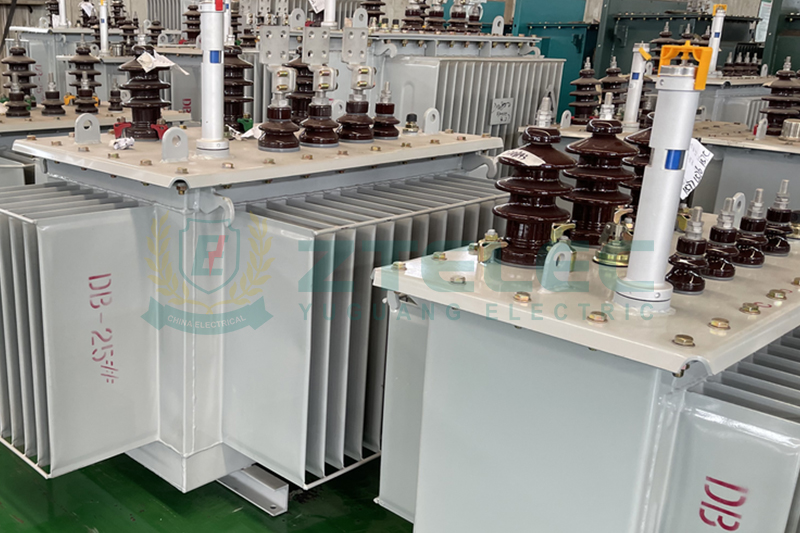
A 1000 kVA oil-immersed transformer is a medium-capacity distribution transformer that uses mineral insulating oil or environmentally friendly insulating fluid for both insulation and cooling. It is commonly available in voltage ratings such as 10kV/0.4kV, 11kV/0.4kV, 20kV/0.4kV, and 35kV/0.4kV.
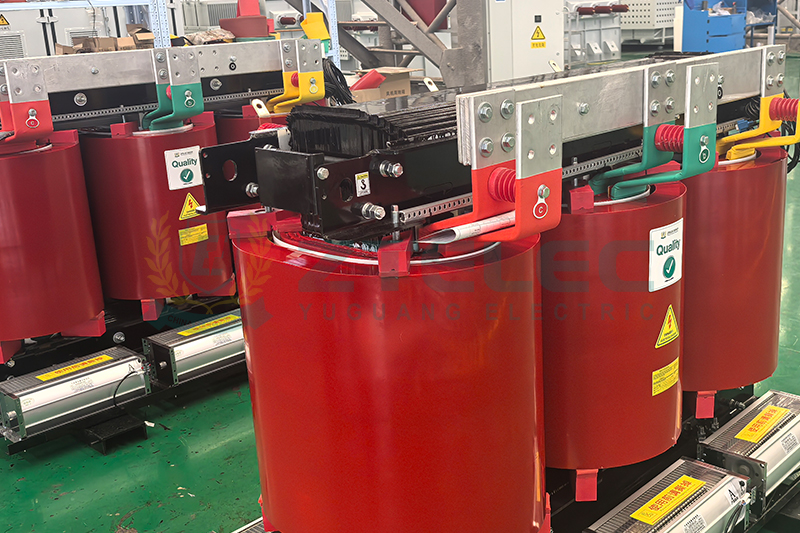
Compared with dry-type transformers, oil-filled transformers provide superior heat dissipation, lower operating losses, higher overload capacity, reduced noise levels, and longer service life. These advantages make them the preferred solution for industrial facilities, utility substations, commercial infrastructure, and large-scale power distribution systems worldwide. However, they also require stricter installation standards, fire protection measures, and regular maintenance.
The transformer foundation should be level, structurally sound, and capable of supporting the full operating weight of the transformer. Depending on the design and voltage class, a fully assembled 1000 kVA oil-immersed transformer typically weighs between 2.5 and 3.5 tonnes or more.
Whether installed indoors or outdoors, adequate clearance should be maintained around the transformer to allow proper ventilation, inspection, and maintenance. In general, at least 0.8 meters of clearance should be provided on all accessible sides, with a minimum overhead clearance of one meter.
Oil-filled transformers generate considerable heat during continuous operation. Therefore, transformer rooms should be equipped with natural ventilation openings or mechanical ventilation systems to maintain acceptable ambient temperatures.
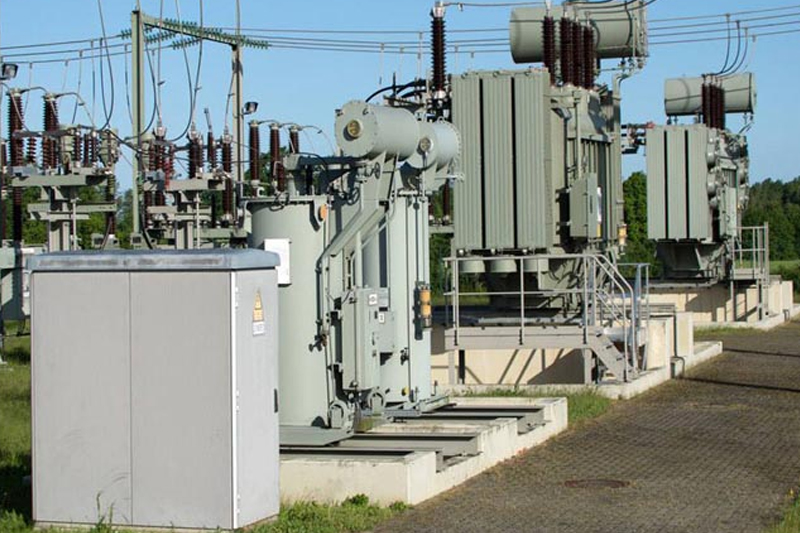
Fire protection measures should include oil containment pits, oil drainage systems, and fire barriers in accordance with local electrical and fire safety regulations. These systems help prevent secondary hazards in the event of an oil leak or internal transformer fault.
Suitable fire extinguishing equipment includes dry chemical, carbon dioxide, or foam extinguishers. Water-based extinguishers must never be used on energized electrical equipment.
Upon delivery, verify that the transformer's nameplate data—including rated capacity, voltage, impedance, vector group, and applicable standards—matches the purchase specifications.
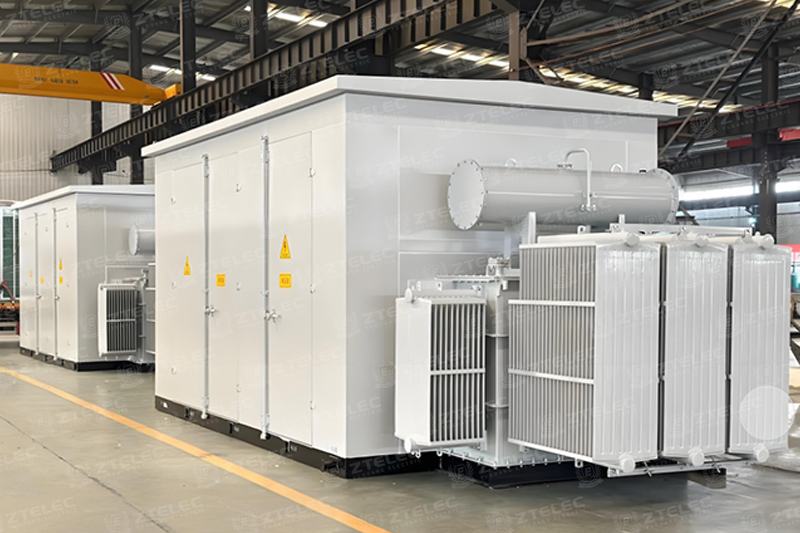
Inspect the transformer for transportation damage, oil leakage, deformed radiators, cracked bushings, or loose accessories. Confirm that the conservator, pressure relief device, Buchholz relay, silica gel breather, and monitoring accessories are complete and undamaged.
Factory routine test reports, insulating oil test certificates, and quality documentation should also be reviewed before installation begins.
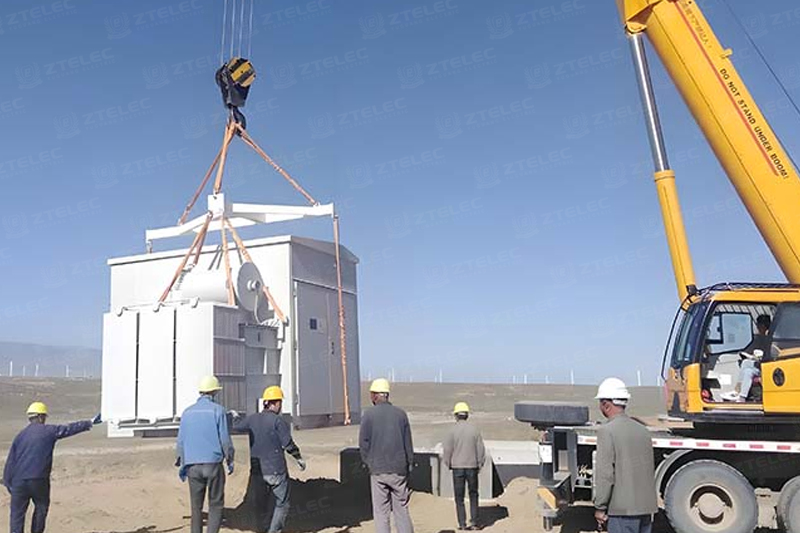
The transformer should be lifted only using the designated lifting points recommended by the manufacturer. Care should be taken to prevent damage to radiators, bushings, and the tank during transportation and positioning.
After placement, verify that the transformer is level within the manufacturer's specified tolerance to ensure accurate oil level indication and proper oil circulation.
Complete all grounding connections according to the project design and applicable electrical codes. Tank grounding, neutral grounding, and protective grounding should all comply with local utility standards.
Install the conservator tank, pressure relief valve, Buchholz relay, temperature indicators, silica gel breather, and other accessories according to the manufacturer's installation manual.
Special attention should be given to the correct installation direction of the Buchholz relay. The silica gel inside the breather should be dry and properly filled to prevent moisture from entering the transformer tank.
Before connecting cables or busbars, thoroughly clean all contact surfaces and tighten connection bolts to the specified torque values.
All cable terminations should be properly insulated, sealed against moisture, and mechanically supported to minimize stress on the transformer bushings.
Oil levels may decrease slightly during transportation due to temperature changes or handling. If necessary, refill the transformer using approved insulating oil that meets the manufacturer's specifications.
After oil filling, allow the transformer to remain idle for at least 24 hours. This settling period enables trapped air bubbles to escape before electrical testing begins.
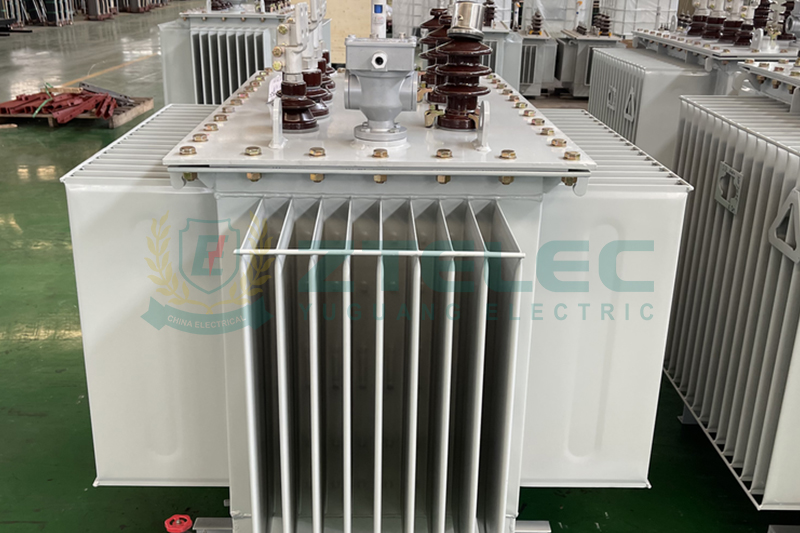
Before energization, all required site acceptance tests should be completed, including insulation resistance measurement, winding resistance testing, turns ratio verification, polarity checks, short-circuit impedance testing, dielectric oil breakdown voltage testing, dielectric loss measurements, and Buchholz relay functional tests.
Measured values should be compared with factory acceptance test results to confirm that the transformer has not been damaged during transportation or installation.
Initial energization is generally performed using several no-load switching operations to verify proper operation of protection devices before gradually applying load.
Routine inspections should include checking oil level, oil temperature, oil color, pressure relief devices, bushings, cooling radiators, and silica gel breathers. Operators should also monitor for oil leakage, abnormal vibration, unusual noise, or overheating.
Operating voltage, current, transformer loading, and ambient temperature should be recorded regularly to identify long-term performance trends.
Transformer oil plays a critical role in insulation and cooling. Comprehensive oil analysis should be performed at least annually, including dielectric strength, moisture content, acidity, dielectric dissipation factor, and Dissolved Gas Analysis (DGA).
DGA is one of the most effective predictive maintenance tools available, capable of identifying early signs of partial discharge, insulation deterioration, overheating, and internal faults before catastrophic failures occur.
Dust and contamination should be removed periodically from radiators, bushings, and the transformer tank to maintain efficient cooling performance.
Electrical terminals, grounding conductors, and bolted connections should also be inspected and tightened whenever necessary to prevent excessive contact resistance and localized overheating.
Continuous overloading significantly accelerates insulation aging and reduces transformer life expectancy. Operators should monitor transformer loading using intelligent monitoring systems whenever possible and avoid prolonged operation above the rated capacity.
During periods of high ambient temperature or peak electrical demand, winding temperature and top-oil temperature should be closely monitored, and load reduction should be considered if necessary.
Typical operating problems include oil leakage, abnormal oil level, excessive winding temperature, protection relay operation, unusual noise, and declining insulation performance.
Minor oil leaks can often be corrected by replacing gaskets or tightening flange bolts. However, repeated Buchholz relay operation or abnormal DGA results require immediate shutdown and detailed inspection to prevent serious internal damage.
If excessive temperatures are detected, engineers should evaluate transformer loading, cooling system performance, and electrical connection integrity to identify the root cause.
All installation, testing, and maintenance work must follow established lockout/tagout (LOTO) procedures, including isolation, verification of de-energization, grounding, and safety signage.
Qualified electrical personnel should wear appropriate personal protective equipment (PPE), including insulating gloves, safety helmets, arc-rated clothing, and insulated footwear.
Transformer rooms should remain clean, well ventilated, and free of combustible materials. Fire protection equipment and emergency lighting should be inspected regularly to ensure operational readiness.
The long-term reliability of a 1000 kVA oil-immersed transformer depends not only on manufacturing quality but also on professional installation, proper commissioning, and an effective preventive maintenance program. Every stage—from foundation preparation and accessory installation to electrical testing, oil analysis, and condition monitoring—plays a vital role in ensuring safe and reliable operation.
For industrial facilities, commercial buildings, utilities, and data centers, implementing comprehensive maintenance records, condition-based monitoring, and scheduled preventive inspections can significantly reduce unexpected outages, extend transformer service life, and lower total lifecycle operating costs while ensuring continuous power system reliability.

ZTELEC Yuguang Electric Technology, founded in 2014, builds on state-owned industrial expertise to deliver reliable power solutions worldwide.
Copyright © 2026.ztygelectric All rights reserved.