

As industries continue to prioritize safety, sustainability, and operational efficiency, transformer selection has become more than simply choosing the correct voltage and capacity. Engineers, EPC contractors, consultants, and facility owners increasingly evaluate installation environment, maintenance requirements, lifecycle costs, and environmental impact before selecting distribution equipment.
Among today's available transformer technologies, the cast resin type transformer has become one of the fastest-growing solutions for indoor electrical distribution. While traditional oil-filled transformers continue to dominate outdoor substations and utility applications, cast resin transformers have become the preferred choice for commercial buildings, hospitals, airports, metro systems, renewable energy projects, manufacturing facilities, and data centers.
Understanding the differences between these two transformer technologies helps project developers select equipment that offers the best combination of safety, reliability, operational efficiency, and long-term value.
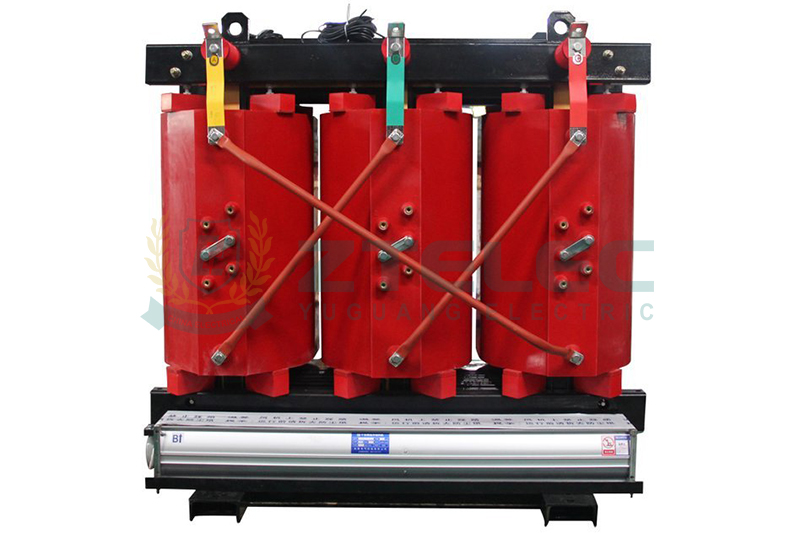
A cast resin transformer is a dry-type transformer whose high-voltage windings are completely encapsulated in epoxy resin under vacuum casting technology. Unlike oil-filled transformers, it uses air as the primary cooling medium instead of insulating oil.
The epoxy resin encapsulation protects the windings from moisture, dust, corrosive gases, and mechanical vibration while providing excellent electrical insulation. Because there is no liquid dielectric, cast resin transformers eliminate many environmental and fire risks associated with oil-filled equipment.
These transformers are typically manufactured according to IEC 60076-11 or ANSI/IEEE standards and are available in ratings ranging from several hundred kVA to more than 25 MVA with voltage classes up to 35 kV and beyond.
Oil-filled transformers utilize mineral oil, natural ester, or synthetic ester fluids to provide both insulation and cooling. The liquid continuously transfers heat from the windings to the transformer tank and cooling radiators.
This mature technology offers excellent cooling performance and high overload capability, making it suitable for outdoor substations, power transmission systems, heavy industrial plants, and utility networks.
However, the presence of insulating oil also introduces additional maintenance requirements, fire protection considerations, and environmental management responsibilities that may not be acceptable for every installation.
The greatest advantage of a cast resin transformer is its exceptional fire safety.
Since there is no combustible insulating oil inside the transformer, there is virtually no risk of oil leakage igniting after an internal fault. This characteristic significantly reduces fire hazards in occupied buildings and enclosed electrical rooms.
For this reason, many national electrical codes encourage or even require dry-type transformers for installations inside:
Commercial office buildings
Hospitals
Schools and universities
Shopping malls
Hotels
Metro stations
Airports
Underground facilities
Data centers
Oil-filled transformers generally require dedicated fire separation walls, containment pits, drainage systems, or automatic fire suppression equipment. Cast resin transformers often eliminate much of this additional infrastructure, reducing both installation complexity and project costs.
Environmental regulations around the world have become increasingly strict regarding oil containment and pollution prevention.
An oil-filled transformer contains hundreds or even thousands of liters of insulating fluid. Any leakage may contaminate soil, groundwater, or nearby waterways while requiring expensive cleanup procedures.
Cast resin transformers completely eliminate this concern because they contain no insulating oil whatsoever.
This makes them particularly suitable for environmentally sensitive locations such as:
Water treatment facilities
Food processing plants
Pharmaceutical factories
Marine applications
Tunnels
Urban infrastructure projects
Renewable energy installations
Routine maintenance represents one of the largest operating expenses throughout a transformer's service life.
Oil-filled transformers require periodic inspection and testing of the insulating liquid, including moisture content, dielectric strength, dissolved gas analysis (DGA), acidity, and oil quality. Cooling systems, seals, gaskets, conservators, breathers, and radiators must also be inspected regularly.
By comparison, cast resin transformers require significantly less maintenance.
Typical maintenance generally includes:
Visual inspection
Cleaning accumulated dust
Thermal scanning
Tightening electrical connections
Checking cooling fans if installed
Because there is no oil to sample or replace, maintenance intervals are longer and operating costs remain considerably lower over the transformer's lifetime.
Epoxy resin encapsulation provides outstanding resistance against moisture ingress.
Traditional dry-type transformers without resin encapsulation may experience insulation degradation in high-humidity environments. Cast resin technology effectively seals the windings, preventing moisture from penetrating the insulation system.
This makes cast resin transformers ideal for regions with:
High humidity
Frequent rainfall
Coastal climates
Condensation-prone installations
Industrial environments containing chemical vapors or corrosive gases
Many models achieve environmental protection classifications such as E2, climatic class C2, and fire behavior class F1, demonstrating excellent reliability under demanding operating conditions.
Sustainability has become a key consideration for modern electrical infrastructure projects. Governments, developers, and multinational companies are increasingly adopting environmental, social, and governance (ESG) standards when selecting electrical equipment.
Cast resin transformers support these sustainability objectives because they operate without mineral oil, eliminating the possibility of oil spills that could contaminate soil or groundwater. They also avoid the need for oil collection pits, drainage systems, and specialized disposal procedures at the end of their service life.
Many cast resin transformers are manufactured using recyclable materials and are designed to comply with RoHS and other environmental regulations. Their low maintenance requirements also reduce the environmental impact associated with oil transportation, laboratory testing, and replacement throughout the equipment lifecycle.
For organizations pursuing LEED certification or green building standards, dry-type cast resin transformers often provide a more environmentally responsible solution than conventional oil-filled units.
One of the biggest reasons for the growing popularity of cast resin transformers is their installation flexibility.
Since they present minimal fire risk and contain no insulating liquid, they can often be installed much closer to electrical loads inside buildings. This reduces cable lengths, minimizes voltage drop, and improves overall distribution efficiency.
Typical indoor applications include:
Commercial office towers
Hospitals
Shopping centers
Hotels
Convention centers
Universities
Data centers
Airports
Subway stations
Manufacturing workshops
Renewable energy inverter rooms
Because there is no requirement for oil containment structures, project designers gain greater flexibility when planning electrical rooms, allowing better utilization of valuable building space.
During transformer operation, electrical faults can generate extremely high mechanical forces inside the windings. Poorly supported conductors may deform, reducing transformer reliability or causing permanent damage.
The vacuum-cast epoxy resin process creates a rigid and homogeneous insulation structure that firmly supports the windings. This significantly improves resistance to:
Short-circuit forces
Mechanical shock
Transportation vibration
Thermal cycling
Electromagnetic stress
For industrial facilities with frequent load fluctuations or harsh operating conditions, this enhanced mechanical integrity contributes to longer service life and greater operational reliability.
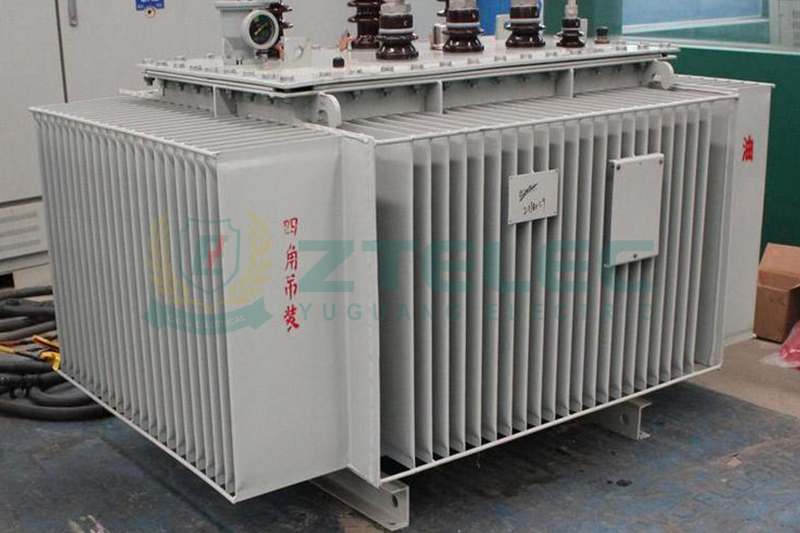
Although cast resin transformers generally have a higher initial purchase price than comparable oil-filled transformers, evaluating only the purchase cost can be misleading.
Total ownership cost should include:
Installation expenses
Fire protection infrastructure
Oil containment systems
Routine maintenance
Oil testing
Environmental compliance
Downtime risks
Operating labor
End-of-life disposal
When these factors are considered over a service life of 25 to 35 years, many commercial and industrial projects find that cast resin transformers provide a lower lifecycle cost despite their higher upfront investment.
| Comparison Item | Cast Resin Transformer | Oil-Filled Transformer |
|---|---|---|
| Cooling Medium | Air | Mineral oil or ester fluid |
| Fire Risk | Very low | Higher due to combustible oil |
| Oil Leakage | None | Possible |
| Routine Maintenance | Minimal | Regular oil inspection required |
| Environmental Impact | Excellent | Requires oil management |
| Indoor Installation | Ideal | Often requires additional protection |
| Noise Level | Generally lower | Moderate |
| Humidity Resistance | Excellent | Good with proper sealing |
| Initial Purchase Cost | Higher | Lower |
| Lifecycle Cost | Often lower | Depends on maintenance and installation |
Cast resin transformers have become the preferred solution wherever safety, reliability, and low maintenance are priorities.
Common applications include commercial office buildings, hospitals, airports, railway stations, metro systems, shopping malls, educational institutions, convention centers, hotels, residential high-rise buildings, renewable energy power plants, photovoltaic inverter stations, wind farms, battery energy storage systems, industrial automation facilities, semiconductor factories, pharmaceutical plants, food processing facilities, and modern data centers.
These installations benefit from the transformer's compact footprint, excellent fire performance, and reliable operation under demanding environmental conditions.
Selecting the right transformer involves more than comparing purchase prices. Engineers should evaluate the complete operating environment, electrical load profile, safety requirements, maintenance capabilities, and long-term project objectives before making a decision.
If the transformer will be installed inside an occupied building, such as a hospital, shopping mall, office tower, hotel, airport, or data center, a cast resin transformer is generally the preferred solution. Its non-flammable construction and absence of insulating oil significantly reduce fire hazards and simplify compliance with building safety regulations.
For outdoor substations, utility transmission networks, and heavy industrial facilities where space is readily available and fire separation measures can be implemented, oil-filled transformers remain a highly economical option, particularly for larger power ratings.
Projects located in humid coastal regions, dusty industrial zones, chemical plants, or environments containing corrosive gases should carefully consider environmental resistance. Modern cast resin transformers with epoxy-encapsulated windings offer excellent protection against moisture, contamination, and corrosion, ensuring stable performance even under challenging operating conditions.
Organizations with limited maintenance personnel often benefit from cast resin transformers because they eliminate routine oil sampling, dissolved gas analysis (DGA), oil filtration, and leakage inspections. This simplifies maintenance planning and reduces long-term operating expenses.
Conversely, utility companies and large industrial facilities typically possess dedicated maintenance teams capable of performing comprehensive preventive maintenance on oil-filled transformers, making them a practical choice for large-scale outdoor applications.
Although oil-filled transformers usually have a lower purchase price, additional costs associated with oil containment systems, fire protection, routine maintenance, environmental compliance, and potential downtime should be considered. In many commercial and institutional projects, the overall lifecycle cost of a cast resin transformer is lower, providing a better return on investment over its service life.
The global transformer market is evolving rapidly as electrical infrastructure becomes more intelligent, efficient, and environmentally sustainable. Several industry trends continue to drive the adoption of cast resin transformer technology.
Urbanization is increasing demand for compact electrical equipment that can be safely installed inside densely populated buildings. At the same time, stricter fire protection regulations are encouraging designers to replace oil-filled equipment with safer dry-type alternatives whenever practical.
Renewable energy projects, battery energy storage systems (BESS), electric vehicle charging infrastructure, and modern data centers also require highly reliable transformers capable of operating continuously with minimal maintenance. Cast resin transformers satisfy these requirements while supporting environmental sustainability goals.
Manufacturers are further improving transformer performance through advanced epoxy resin formulations, optimized cooling channel designs, digital temperature monitoring, intelligent sensors, and predictive maintenance systems integrated into Industry 4.0 platforms.
As electrical grids become increasingly digitalized, smart monitoring technologies will further improve transformer reliability, allowing facility operators to detect abnormal operating conditions before failures occur.
Yes. Since cast resin transformers contain no combustible insulating oil, they present a much lower fire risk and eliminate concerns about oil leakage. This makes them especially suitable for indoor installations where personnel safety is a priority.
Yes, but significantly less than oil-filled transformers. Routine maintenance typically includes visual inspections, cleaning dust from cooling passages, checking electrical connections, and monitoring operating temperatures. No oil testing or oil replacement is required.
They can be installed outdoors when housed inside an appropriately rated weatherproof enclosure. For direct exposure to rain, snow, or harsh weather conditions, specially designed outdoor enclosures are recommended to protect the transformer and maintain long-term reliability.
Modern cast resin and oil-filled transformers can both achieve high efficiency levels when designed with premium core materials and optimized winding structures. Efficiency depends more on transformer design and manufacturing quality than on the insulation medium alone.
With proper installation and routine maintenance, a high-quality cast resin transformer typically provides a service life of 25 to 35 years or longer. Stable operating temperatures, proper ventilation, and avoiding prolonged overload conditions help maximize lifespan.
Cast resin transformers are widely used in commercial buildings, hospitals, airports, rail transit systems, renewable energy projects, manufacturing plants, educational campuses, pharmaceutical facilities, semiconductor factories, data centers, and other applications requiring high safety, low maintenance, and reliable indoor power distribution.
Both cast resin transformers and oil-filled transformers play essential roles in modern power distribution systems. The best choice depends on the project's operating environment, safety requirements, maintenance strategy, and lifecycle cost objectives.
For indoor installations where fire safety, environmental protection, and operational reliability are critical, cast resin transformers offer clear advantages. Their oil-free construction, excellent moisture resistance, minimal maintenance requirements, and flexible installation options make them the preferred solution for commercial, industrial, and infrastructure projects worldwide.
Oil-filled transformers continue to provide excellent performance for large outdoor substations and utility networks, particularly where high power ratings and lower initial investment are the primary considerations.
By carefully evaluating the complete lifecycle rather than simply comparing purchase prices, engineers and project owners can select the transformer technology that delivers the greatest long-term value, safety, and operational efficiency.
ZTELEC YUGANG manufactures high-performance cast resin transformers designed to meet IEC, ANSI, and other international standards. With advanced vacuum casting technology, premium silicon steel cores, and strict quality control, our transformers deliver exceptional energy efficiency, low noise, excellent short-circuit strength, and long service life.
Our products are widely exported for commercial buildings, renewable energy projects, industrial facilities, data centers, and utility infrastructure worldwide. Whether you require standard distribution transformers or customized solutions up to 35kV, ZTELEC YUGANG provides reliable products, fast delivery, and professional technical support to help ensure the success of your project.

ZTELEC Yuguang Electric Technology, founded in 2014, builds on state-owned industrial expertise to deliver reliable power solutions worldwide.
Copyright © 2026.ztygelectric All rights reserved.