

When selecting an oil filled transformer, one of the most important design decisions is the winding material. The two primary options are copper and aluminum. While aluminum windings offer a lower initial purchase price, copper oil filled transformers provide superior electrical conductivity, mechanical strength, energy efficiency, and long-term reliability. For utilities, industrial facilities, renewable energy projects, and mission-critical infrastructure, copper winding transformers remain the preferred solution.
Although copper transformers typically require a higher upfront investment, their lower operating losses, longer service life, and reduced maintenance costs often result in a significantly lower total cost of ownership (TCO). This article explains why copper windings continue to be the industry standard for high-performance oil immersed transformers.
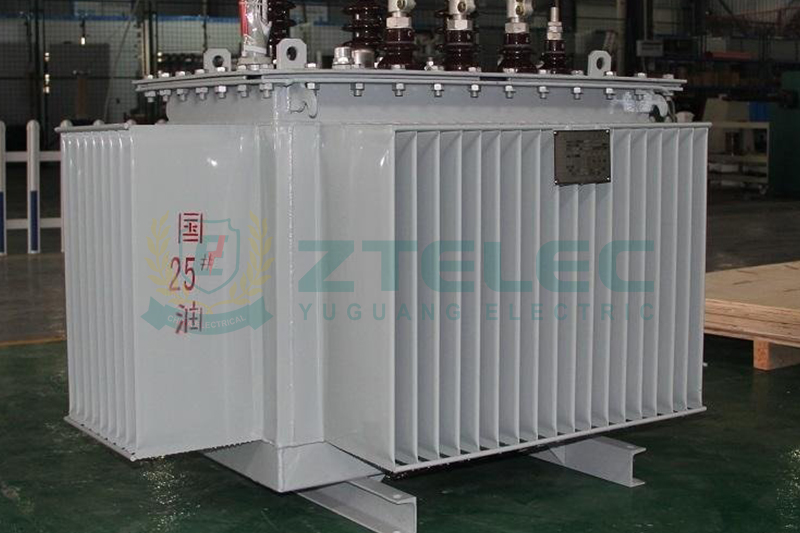
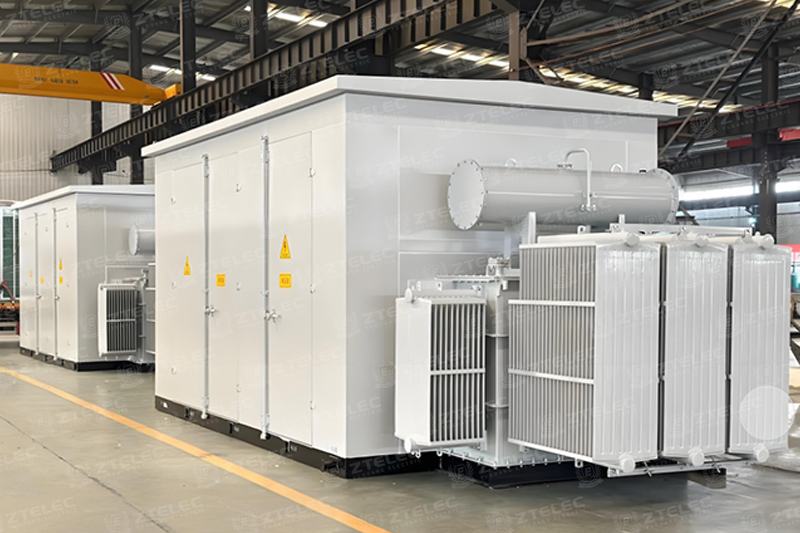
A copper oil filled transformer is a liquid-immersed transformer that uses copper conductors for both the high-voltage and low-voltage windings while mineral oil or environmentally friendly insulating fluids provide insulation and cooling.
During operation, heat generated by the windings is transferred into the insulating oil, which circulates naturally or through forced cooling systems before dissipating heat through radiators. This highly efficient cooling process allows oil immersed transformers to operate continuously under heavy electrical loads.
Compared with aluminum winding transformers, copper winding transformers deliver higher efficiency, greater short-circuit strength, and improved long-term performance, making them the preferred choice for demanding power distribution applications.
Copper has an electrical conductivity of approximately 58 MS/m, while aluminum provides about 35 MS/m. This means copper conducts electricity approximately 60% more efficiently than aluminum. Higher conductivity reduces resistance losses and allows copper windings to carry greater current with smaller conductor sizes.
Copper possesses significantly higher tensile strength than aluminum, enabling transformer windings to withstand mechanical stresses caused by transportation, vibration, and short-circuit currents. This greatly reduces the risk of winding deformation and insulation failure during operation.
Copper expands and contracts less than aluminum under changing temperatures. Reduced thermal movement minimizes stress on insulation materials, extending transformer reliability and insulation life over decades of operation.
Copper naturally offers better oxidation and corrosion resistance than aluminum. Electrical joints made from copper maintain lower contact resistance over time, reducing the likelihood of overheating and connection failures in harsh operating environments.
Because copper has lower electrical resistance, copper windings generate less I²R loss under identical operating conditions. Lower load losses translate directly into reduced electricity consumption and lower operating expenses throughout the transformer's service life.
Lower winding resistance improves transformer efficiency across varying load conditions. Facilities operating continuously, such as manufacturing plants and data centers, benefit significantly from long-term energy savings.
The superior current-carrying capability of copper allows engineers to use smaller conductor cross-sections while maintaining the same electrical performance. This enables more compact transformer designs with optimized magnetic circuits and improved cooling efficiency.
Higher mechanical strength, improved thermal stability, and superior corrosion resistance help copper winding transformers maintain their structural integrity for decades. Many properly maintained copper transformers remain in service for more than 30 years.
Industrial facilities, mining operations, steel plants, and utility substations often experience higher fault current levels. Copper windings are considerably more resistant to the mechanical forces generated during short circuits, improving overall system reliability.
| Comparison | Copper Winding | Aluminum Winding |
|---|---|---|
| Electrical Conductivity | Excellent (≈58 MS/m) | Moderate (≈35 MS/m) |
| Current Carrying Capacity | Higher | Lower |
| Mechanical Strength | Excellent | Moderate |
| Short-Circuit Resistance | Superior | Lower |
| Connection Reliability | Excellent | Oxidation More Likely |
| Load Losses | Lower | Higher |
| Transformer Size | More Compact | Larger |
| Initial Investment | Higher | Lower |
| Expected Service Life | Longer | Shorter |
| Recommended Applications | Critical & Heavy-Duty Systems | Budget-Oriented Projects |
While aluminum transformers may reduce initial procurement costs, copper winding transformers typically provide superior operational reliability and lower lifecycle costs for most commercial and industrial applications.
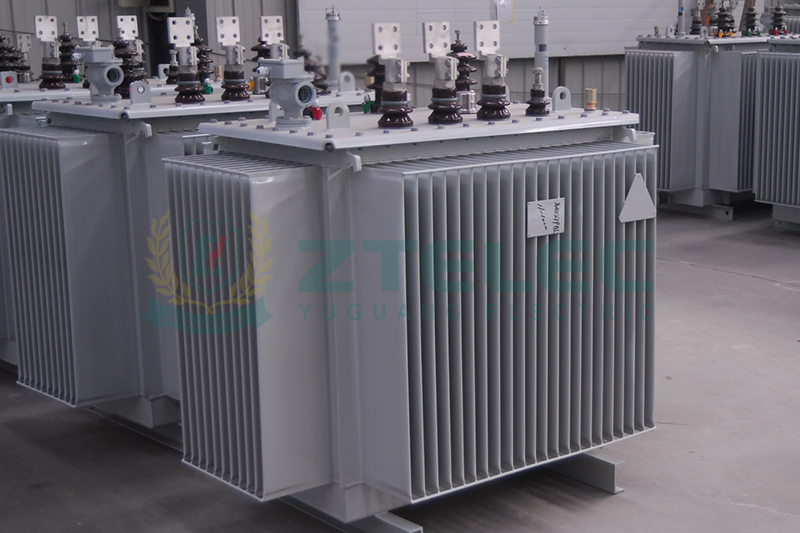
Transformer purchasing decisions should not be based solely on the initial equipment price. Throughout a transformer's operating life, energy losses often represent the largest portion of total ownership costs.
Because copper winding transformers operate with lower load losses, they consume less electricity over a typical 20–30 year service life. In many cases, the resulting energy savings fully offset the higher purchase price while delivering lower maintenance expenses and improved operational reliability.
For facilities operating around the clock, including factories, hospitals, utilities, and data centers, investing in copper winding transformers generally provides a faster return on investment and significantly lower lifecycle costs.
Steel mills, cement plants, mining operations, chemical processing facilities, and manufacturing plants benefit from copper transformers because of their excellent short-circuit strength and continuous heavy-load capability.
Mission-critical facilities require maximum electrical reliability and minimal downtime. Copper winding transformers help ensure uninterrupted power distribution with lower operating losses.
Electric utilities rely on copper winding transformers to achieve higher reliability, longer service life, and stable operation under demanding grid conditions.
Large commercial buildings and healthcare facilities operate continuously under varying electrical loads. Copper transformers reduce energy costs while improving long-term reliability.
Solar farms, wind power stations, and battery energy storage systems increasingly specify copper winding transformers to maximize efficiency and minimize maintenance over decades of operation.
When selecting an oil immersed transformer, engineers should evaluate operating load, expected service life, installation environment, short-circuit levels, maintenance accessibility, and overall lifecycle costs rather than considering purchase price alone.
Projects involving continuous operation, frequent load fluctuations, harsh environmental conditions, or critical electrical infrastructure generally achieve greater long-term value by selecting copper winding transformers.
Copper oil filled transformers continue to be the preferred choice for modern power distribution systems because they combine superior electrical conductivity, higher mechanical strength, improved energy efficiency, and exceptional long-term reliability.
Although their initial purchase price is typically higher than aluminum winding transformers, the reduction in energy losses, maintenance requirements, and unexpected failures often results in substantially lower lifecycle costs.
Whether serving industrial facilities, utility substations, renewable energy projects, commercial buildings, or mission-critical infrastructure, copper winding oil immersed transformers deliver outstanding performance, dependable operation, and maximum return on investment for decades of reliable service.

ZTELEC Yuguang Electric Technology, founded in 2014, builds on state-owned industrial expertise to deliver reliable power solutions worldwide.
Copyright © 2026.ztygelectric All rights reserved.