

Modern high-rise buildings and sustainable construction projects require electrical systems that deliver outstanding safety, energy efficiency, and environmental performance. As urban developments continue to expand vertically and green building certifications such as LEED, BREEAM, WELL, and regional energy codes become standard project requirements, dry type transformers have become the preferred solution for indoor power distribution.
Unlike conventional oil-filled transformers, dry type transformers provide excellent fire safety, require minimal maintenance, eliminate oil leakage risks, and occupy less installation space. These advantages make them ideal for commercial towers, residential skyscrapers, hospitals, airports, hotels, data centers, universities, and mixed-use developments where safety and sustainability are equally important.
This guide explains how dry type transformers work, why they are widely specified for high-rise and green building projects, and the key technical factors engineers, EPC contractors, developers, and consultants should evaluate when selecting a supplier.
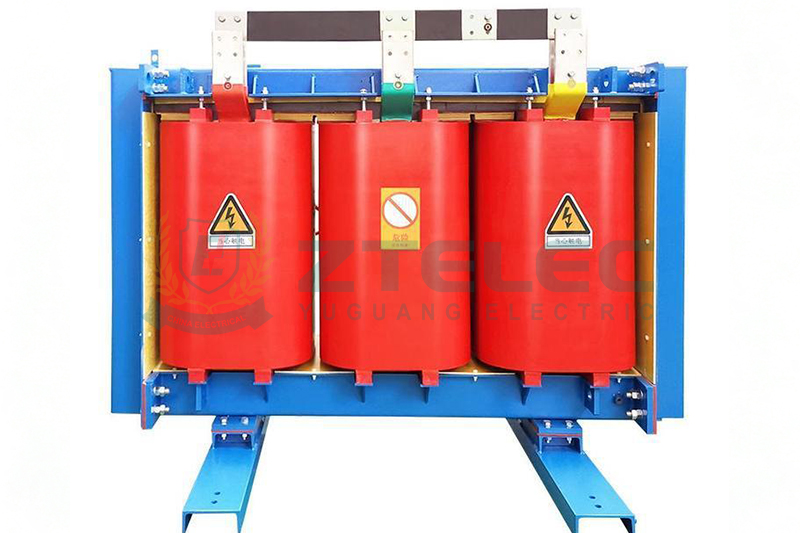
A dry type transformer is a power transformer that uses air or solid insulation materials—such as epoxy resin or cast resin—to insulate and cool its windings instead of mineral oil or synthetic insulating liquids. Because no combustible liquid is present, dry type transformers offer significantly higher fire safety and can be installed directly inside occupied buildings.
The most common dry type transformer technologies include Cast Resin Transformers (CRT), Vacuum Pressure Impregnated (VPI) Transformers, and ventilated or encapsulated dry type transformers designed for light-duty commercial applications.
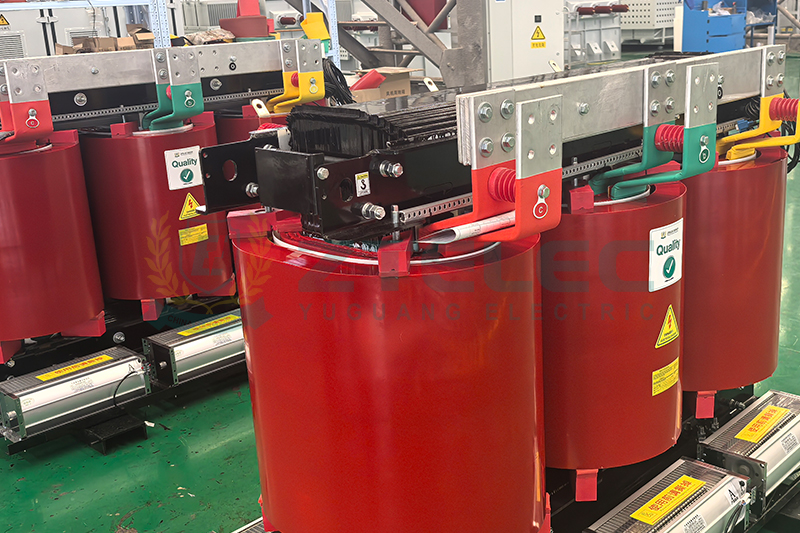
Cast resin transformers are manufactured by vacuum-casting windings in epoxy resin, providing excellent resistance to moisture, dust, humidity, and industrial pollution. VPI transformers use multiple vacuum impregnation processes to coat windings with insulating varnish, delivering a balance between performance and cost. Ventilated dry type transformers provide an economical solution for controlled indoor environments with lower environmental stress.
Because dry type transformers contain no oil, they eliminate the need for fire-rated transformer vaults, oil containment pits, spill protection systems, or complex environmental safeguards required by liquid-filled transformers.
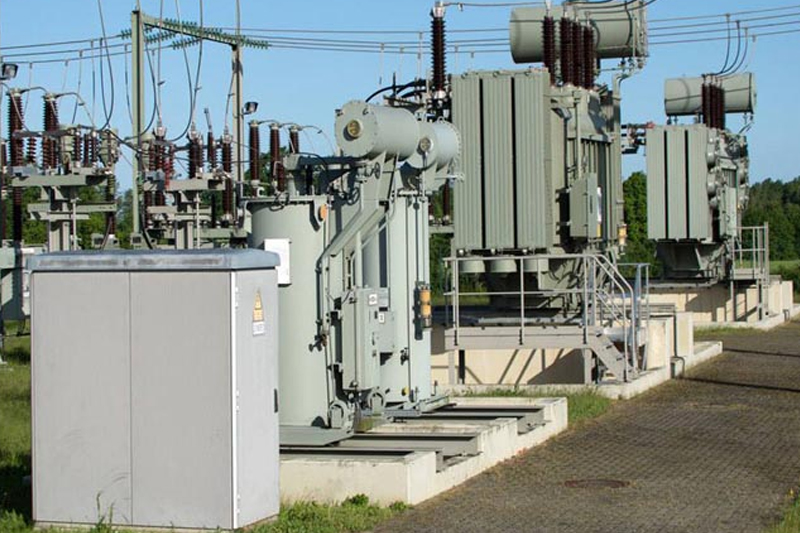
Fire protection is one of the most important considerations in tall buildings. Building regulations throughout the world impose strict limitations on installing oil-filled transformers inside occupied structures due to the potential risk of fire, explosion, and oil leakage.
Dry type transformers utilize self-extinguishing or non-flammable insulation systems that significantly reduce fire hazards. This allows transformers to be installed on mechanical floors, electrical rooms, basements, rooftop equipment rooms, and areas adjacent to elevators or occupied spaces without extensive fire protection infrastructure.
For office towers, hotels, hospitals, and residential skyscrapers, dry type transformers simplify compliance with fire codes while reducing insurance costs and improving overall building safety.
Every square meter inside a high-rise building has significant commercial value. Dry type transformers feature compact designs that allow electrical equipment to be installed much closer to load centers, reducing cable lengths, minimizing voltage drop, and improving distribution efficiency.
Without oil collection systems or containment structures, transformer rooms can be smaller and easier to integrate into the building layout. This gives architects and MEP engineers greater flexibility when planning electrical infrastructure for complex vertical developments.
Traditional liquid-filled transformers always carry the possibility of oil leaks that may contaminate building foundations, groundwater, or surrounding infrastructure. Repairing environmental contamination can be expensive and disruptive, especially in dense urban developments.
Dry type transformers completely eliminate this concern, making them particularly suitable for underground substations, basement installations, environmentally sensitive projects, and developments with strict sustainability requirements.
Dry type transformers require considerably less maintenance than oil-filled units because there is no insulating oil to sample, filter, replace, or monitor.
Routine maintenance generally consists of periodic cleaning, thermal inspections, insulation resistance testing, and visual examinations. Lower maintenance requirements reduce operating costs while minimizing equipment downtime throughout the building's service life.
Green building certification systems increasingly encourage the use of environmentally responsible building materials and energy-efficient electrical equipment. Dry type transformers contribute to these objectives by eliminating insulating oil, reducing environmental risks, and improving indoor safety.
Many manufacturers also provide Environmental Product Declarations (EPDs), recycled material documentation, and energy efficiency certifications that support sustainability reporting during project certification.
Today's premium dry type transformers utilize advanced amorphous alloy cores or high-grade silicon steel laminations that significantly reduce no-load losses and load losses compared with conventional transformer designs.
Many products comply with international efficiency regulations including DOE 2016, EU Ecodesign Tier 2, IEC efficiency standards, and other regional minimum efficiency requirements. Reduced transformer losses contribute directly to lower building operating costs and improved energy performance ratings.
Dry type transformers are manufactured primarily from recyclable steel, copper, aluminum, and epoxy resin components without requiring disposal of insulating oil at the end of their service life.
This supports circular economy objectives while helping developers reduce the environmental footprint of building materials throughout the project lifecycle.
Modern cast resin transformers incorporate optimized magnetic core designs, precision manufacturing processes, and optional sound-attenuating enclosures to minimize operational noise.
Low sound levels are especially valuable in mixed-use developments where transformer rooms are located close to offices, residential apartments, hotels, schools, hospitals, or other acoustically sensitive environments.
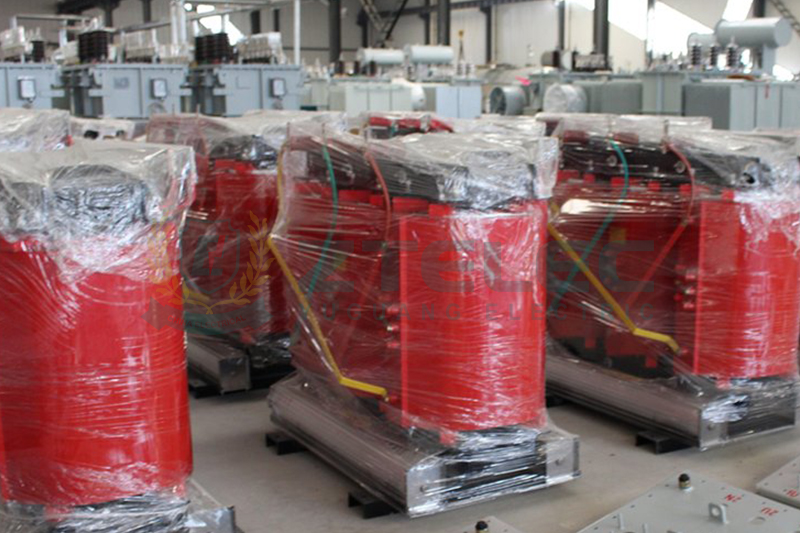
Selecting the appropriate dry type transformer requires careful evaluation of the building's electrical load profile, installation environment, and future expansion requirements.
Insulation class should typically be selected as Class F (155°C) or Class H (180°C), depending on operating temperatures and expected loading conditions. Enclosure protection should match the installation environment, with IP23 commonly used for indoor electrical rooms and higher IP ratings recommended for humid, dusty, or semi-outdoor applications.
Energy efficiency should comply with local regulations and project sustainability goals, while amorphous core technology should be considered wherever maximum efficiency is desired.
Noise levels are particularly important when transformers are installed near occupied spaces. Projects located in seismic regions should also specify certified seismic-resistant transformer designs capable of withstanding earthquake loads.
Buildings containing data centers, hospitals, commercial IT infrastructure, or LED lighting systems should consider K-factor rated transformers designed to withstand harmonic currents generated by non-linear loads.
Finally, transformers should comply with applicable international standards such as IEC 60076-11, IEEE, ANSI, NFPA, or local building regulations depending on the project location.
Selecting a qualified manufacturer is just as important as choosing the transformer itself. High-rise construction schedules are often extremely tight, requiring precise coordination between civil, electrical, and mechanical contractors.
A reliable supplier should provide complete factory routine test reports, type test certificates, quality assurance documentation, and compliance certificates required by consultants and project owners.
Custom enclosure dimensions, special cable entry arrangements, and project-specific transformer configurations are frequently required to accommodate restricted plant room layouts.
Suppliers should also support green building documentation by providing Environmental Product Declarations, recycled content information, efficiency certificates, and other sustainability documentation needed during LEED or BREEAM certification.
Equally important is the supplier's logistics capability. High-rise projects often require staged deliveries synchronized with construction schedules, allowing transformers to be lifted into upper floors before exterior curtain walls are installed.
Dry type transformers are widely used in commercial office buildings, residential towers, hospitals, airports, universities, hotels, shopping malls, convention centers, industrial facilities, renewable energy projects, metro systems, data centers, intelligent buildings, and environmentally certified construction projects that demand safe, efficient, and reliable indoor power distribution.
Dry type transformers have become the industry standard for high-rise buildings and green construction projects because they combine exceptional fire safety, compact installation, environmental protection, high energy efficiency, and low maintenance requirements into a single power distribution solution.
Whether supporting a LEED Platinum commercial development, a modern hospital, a mixed-use skyscraper, or an intelligent office complex, dry type transformers provide engineers and developers with reliable long-term performance while helping projects achieve increasingly demanding sustainability goals.
By specifying the correct insulation class, enclosure protection, efficiency level, harmonic capability, and supplier qualifications during the early design stage, project teams can avoid costly redesigns, improve operational reliability, and ensure long-term compliance with both electrical and green building standards.

ZTELEC Yuguang Electric Technology, founded in 2014, builds on state-owned industrial expertise to deliver reliable power solutions worldwide.
Copyright © 2026.ztygelectric All rights reserved.